ICC Closes Investigations into Alleged U.S. Troop Crimes in Afghanistan
The International Criminal Court will no longer investigate U.S. troops in Afghanistan, shifting focus to the Taliban.
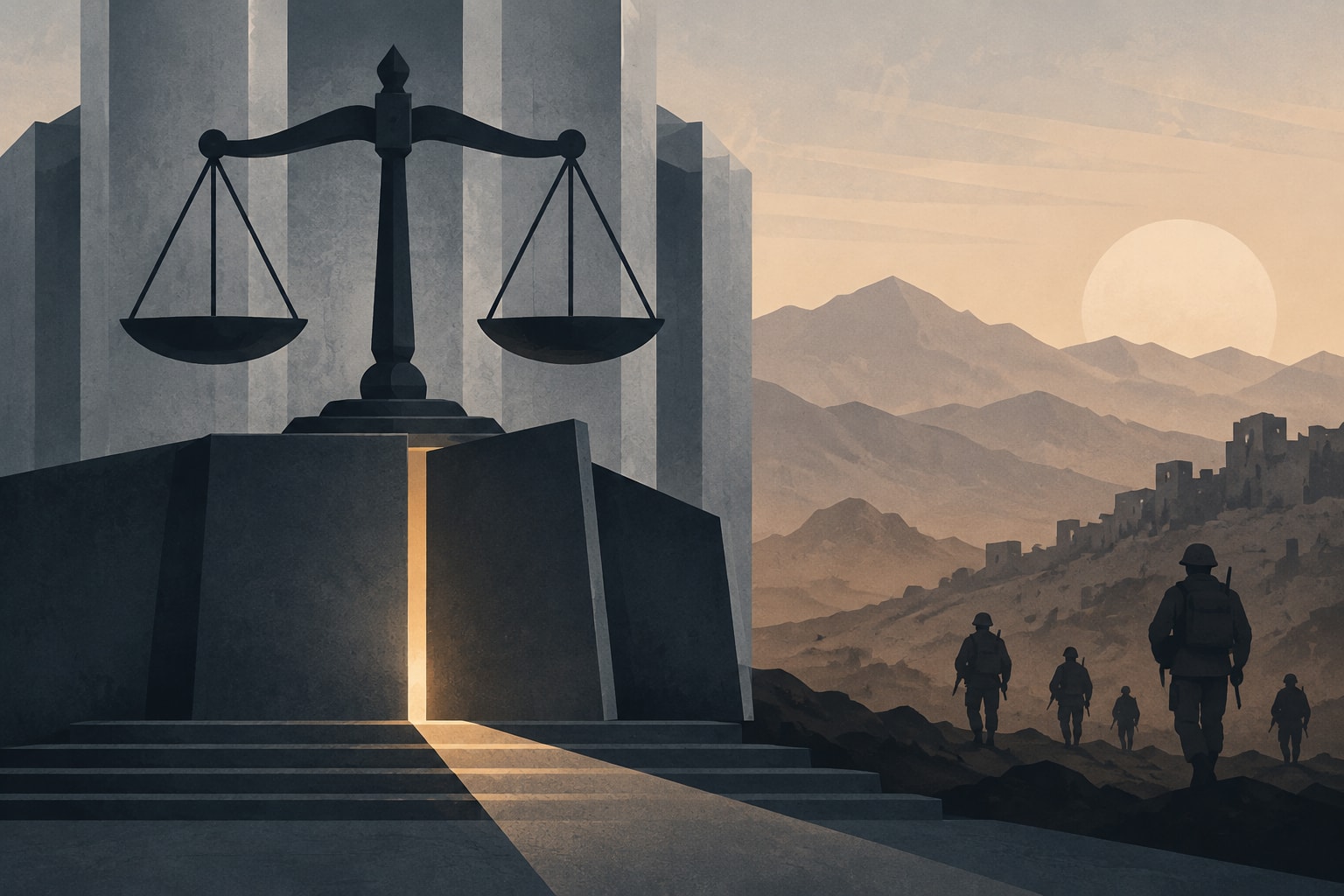
What's Happening
- •The International Criminal Court (ICC) has decided to close its investigations into alleged crimes by U.S. troops in Afghanistan.
- •The ICC will now focus solely on actions taken by the Taliban during the conflict.
- •This decision follows years of scrutiny regarding the conduct of U.S. forces in Afghanistan.
Why It Matters
The ICC's decision to close investigations into U.S. troops in Afghanistan has significant implications for military personnel and veterans. It reflects a shift in international focus that may impact how service members conduct operations and how they are perceived in the context of international law.
What Changes Now
- •The ICC will no longer investigate U.S. troops for alleged war crimes in Afghanistan. This change means that active-duty service members can operate without the fear of ICC scrutiny over their actions during the conflict.
- •U.S. military policy may evolve in response to the ICC's decision. Leaders might feel more confident in executing operations without concern for international legal repercussions.
- •Veterans can find some peace of mind knowing they are no longer under the threat of ICC investigations. This could alleviate psychological burdens related to their service in Afghanistan.
What to Watch
- •Monitor the ICC's ongoing investigations into the Taliban. These developments may influence U.S. foreign policy and military strategy in the region.
- •Watch for potential changes in military policy as a result of the ICC's decision. This could affect how military operations are conducted in future conflicts.
- •Stay informed about any discussions in Congress regarding military accountability and international law, as these may arise in light of the ICC's focus shift.
Get the Daily Briefing
Military and veteran news that actually affects you, in your inbox each morning.
More Context
- •Background on ICC Investigations: The International Criminal Court (ICC) began its investigations into alleged war crimes in Afghanistan in 2017, focusing on various parties involved, including U.S. military personnel. The investigations aimed to address claims of torture, unlawful killings, and other serious violations of international law. However, the ICC faced significant pushback from the U.S. government, which argued that the court lacked jurisdiction over American citizens. This latest decision to close investigations into U.S. troops marks a significant shift in the ICC's focus, now prioritizing the actions of the Taliban and their affiliates.
- •Impact on Service Members and Veterans: For active-duty service members, particularly those who served in Afghanistan, this closure may alleviate some concerns regarding potential legal repercussions for their actions during combat. Veterans who have faced scrutiny or emotional distress related to the investigations can find some relief in knowing that their conduct will no longer be under ICC examination. However, the implications of the ICC's focus on the Taliban may lead to renewed discussions about accountability and justice for Afghan civilians affected by the conflict.
- •What Changes for U.S. Military Policy?: With the ICC closing investigations into U.S. troops, there are immediate implications for military policy and operations. U.S. military leaders may feel more empowered to conduct operations without the looming threat of international legal scrutiny. This may also influence how the military approaches engagements in future conflicts, potentially leading to a more aggressive posture. However, this shift does not absolve service members of their duty to adhere to the laws of armed conflict, and military justice remains in place to address misconduct.
- •Future Monitoring and Considerations: As the ICC shifts its focus to the Taliban, it will be essential for military personnel and veterans to monitor any developments related to international law and military operations. The potential for future investigations into the Taliban's actions could have implications for U.S. foreign policy and military strategy. Additionally, veterans should stay informed about how these changes may affect their rights and benefits, particularly regarding any claims related to their service.
Frequently Asked Questions
Does this affect Guard members on Title 10 orders?
No, the ICC's decision does not specifically target Guard members on Title 10 orders, but it does mean that all U.S. troops, including those in the Guard, are no longer under ICC investigation.
Will my BAH change if I move duty stations mid-year?
BAH rates are typically adjusted based on your new duty station, so if you move, your BAH may change according to the rates in your new location.
The Daily Briefing
Military & veteran news that actually affects you — delivered every morning.
- Pay, benefits & policy changes
- Pentagon decisions that matter
- VA updates for veterans & families
- One email. No spam. Unsubscribe anytime.
Related Stories
- Air Force Special Warfare Seeks Versatile Mobile Communication System— DefenseScoop
- Coast Guard Responds to New Orleans Ship Collision, 195 People Accounted For— Military Times
- US Forces Depart Baledogle Airfield After 14 Years of Operations— Task & Purpose
- RAF Fairford Air Show Canceled After Suspected Terror Threat— Military Times