Jocko Willink on Leadership: Why Yelling Means You Failed
Former Navy SEAL Jocko Willink shares leadership insights on trust, respect, and accountability, stressing that yelling indicates failure.
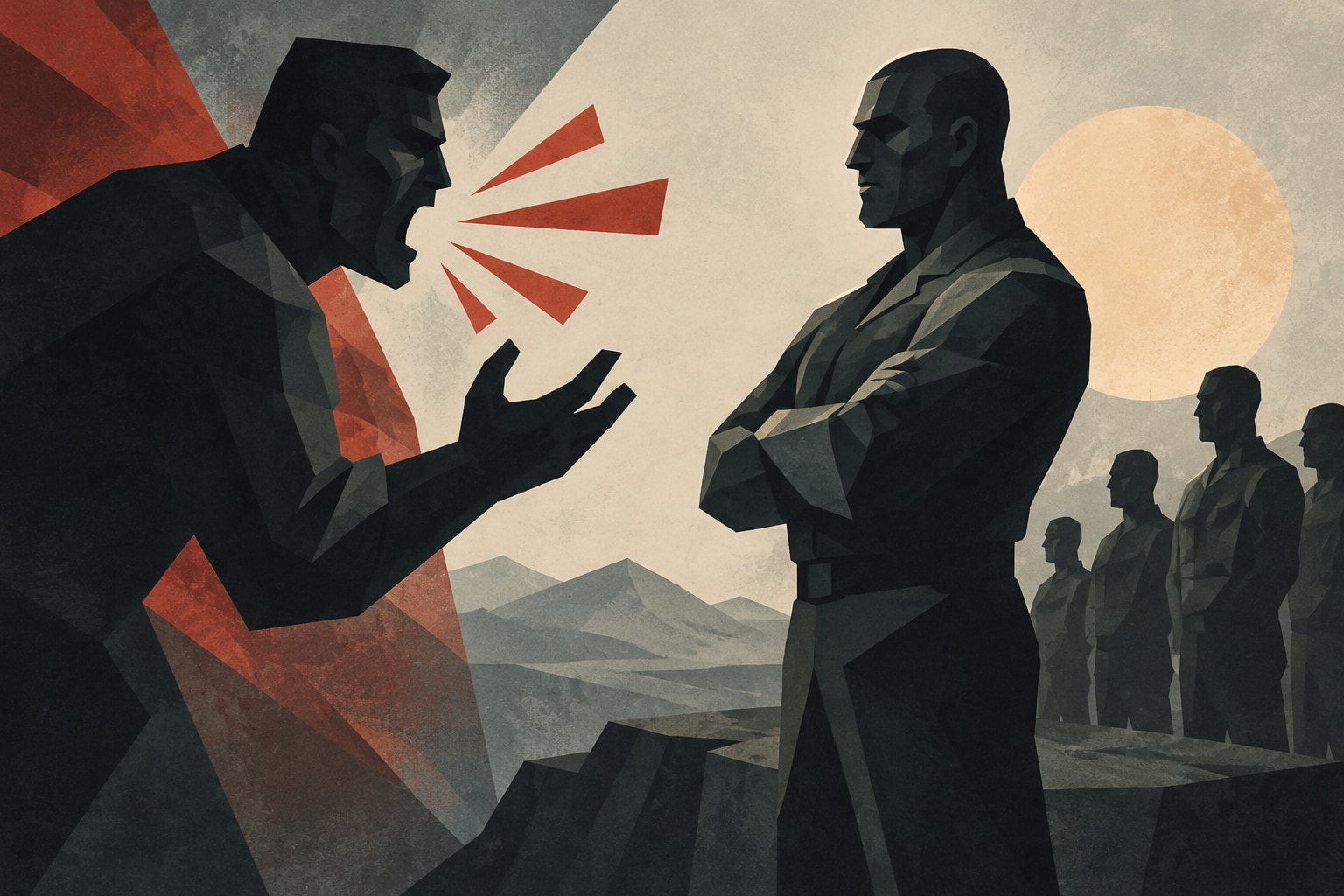
What's Happening
- •Former Navy SEAL Jocko Willink emphasizes the importance of calm leadership.
- •Willink argues that yelling reflects a lack of control and respect.
- •He advocates for building trust and accountability in military environments.
Why It Matters
Leadership styles in the military can significantly impact unit effectiveness and morale. Understanding the principles of effective leadership, as articulated by Jocko Willink, can help service members at all levels foster a more respectful and accountable environment, which is critical for mission success.
What Changes Now
- •Leaders are encouraged to adopt a calm communication style. This change aims to enhance trust and respect within their units, ultimately improving performance.
- •Military training programs may begin incorporating lessons on effective communication and accountability. This will help prepare future leaders to manage teams without resorting to yelling.
- •Units may see an increase in morale and cohesion as leaders implement these strategies. Improved morale can lead to better mission outcomes and a healthier work environment.
What to Watch
- •Upcoming leadership training sessions may integrate Willink's principles. These sessions will help leaders understand the importance of communication styles in military settings.
- •New policies on leadership accountability could be introduced in the next command review. This will affect how leaders are evaluated and held accountable for their actions.
- •Watch for changes in unit culture as leaders begin to adopt these practices. Positive shifts in morale and performance could be indicators of successful leadership transformations.
Get the Daily Briefing
Military and veteran news that actually affects you, in your inbox each morning.
More Context
- •The Foundation of Effective Leadership: Jocko Willink, a former Navy SEAL and leadership expert, underscores that effective leadership is built on trust and respect. He believes that leaders who resort to yelling have already lost the respect of their teams. In a military context, this can be particularly detrimental, as trust among service members is crucial for mission success. Willink's experience in high-stress environments has taught him that calm and composed leaders inspire confidence, while those who yell create a culture of fear and resentment.
- •The Consequences of Yelling: Yelling can lead to a breakdown in communication and morale within military units. When leaders shout, it may result in immediate compliance, but it does not foster long-term loyalty or respect. Willink points out that effective leaders should aim to cultivate an environment where service members feel valued and heard. This approach not only enhances unit cohesion but also improves overall performance in high-pressure situations.
- •Building a Culture of Accountability: Willink stresses the importance of accountability in leadership. He suggests that leaders should hold themselves accountable first, setting the tone for their teams. This means acknowledging mistakes and learning from them, rather than deflecting blame. For military leaders, this is essential in maintaining trust and ensuring that service members feel safe to voice concerns or admit errors without fear of retribution.
- •Practical Steps for Military Leaders: To implement Willink's leadership principles, military leaders can take several practical steps. First, they should practice active listening, ensuring that their service members feel heard and respected. Second, leaders can establish clear expectations and provide constructive feedback rather than resorting to yelling. Finally, fostering an open-door policy can encourage communication and strengthen relationships within the unit, ultimately leading to a more effective and cohesive team.
Frequently Asked Questions
How can I improve my leadership style in the military?
Focus on building trust and respect with your team by practicing active listening and providing constructive feedback.
What should I do if my leader yells at me?
Document the incident and consider discussing it with a trusted mentor or superior to address the issue constructively.
Are there training resources for effective military leadership?
Yes, many military branches offer leadership courses that emphasize communication skills and accountability.
The Daily Briefing
Military & veteran news that actually affects you — delivered every morning.
- Pay, benefits & policy changes
- Pentagon decisions that matter
- VA updates for veterans & families
- One email. No spam. Unsubscribe anytime.
Related Stories
- Air Force Launches Free Wi-Fi in Dorms to Enhance Connectivity— Task & Purpose
- U.S. to Begin Deporting Afghan Immigrants to Pakistan— Military.com
- Congressman Advocates for Military Housing in San Diego Amid Data Center Plans— Task & Purpose
- U.S. Military Spending on Iran War Surpasses $47 Billion— Military Times