China's Espionage Tactics: Targeting U.S. Troops and Secrets
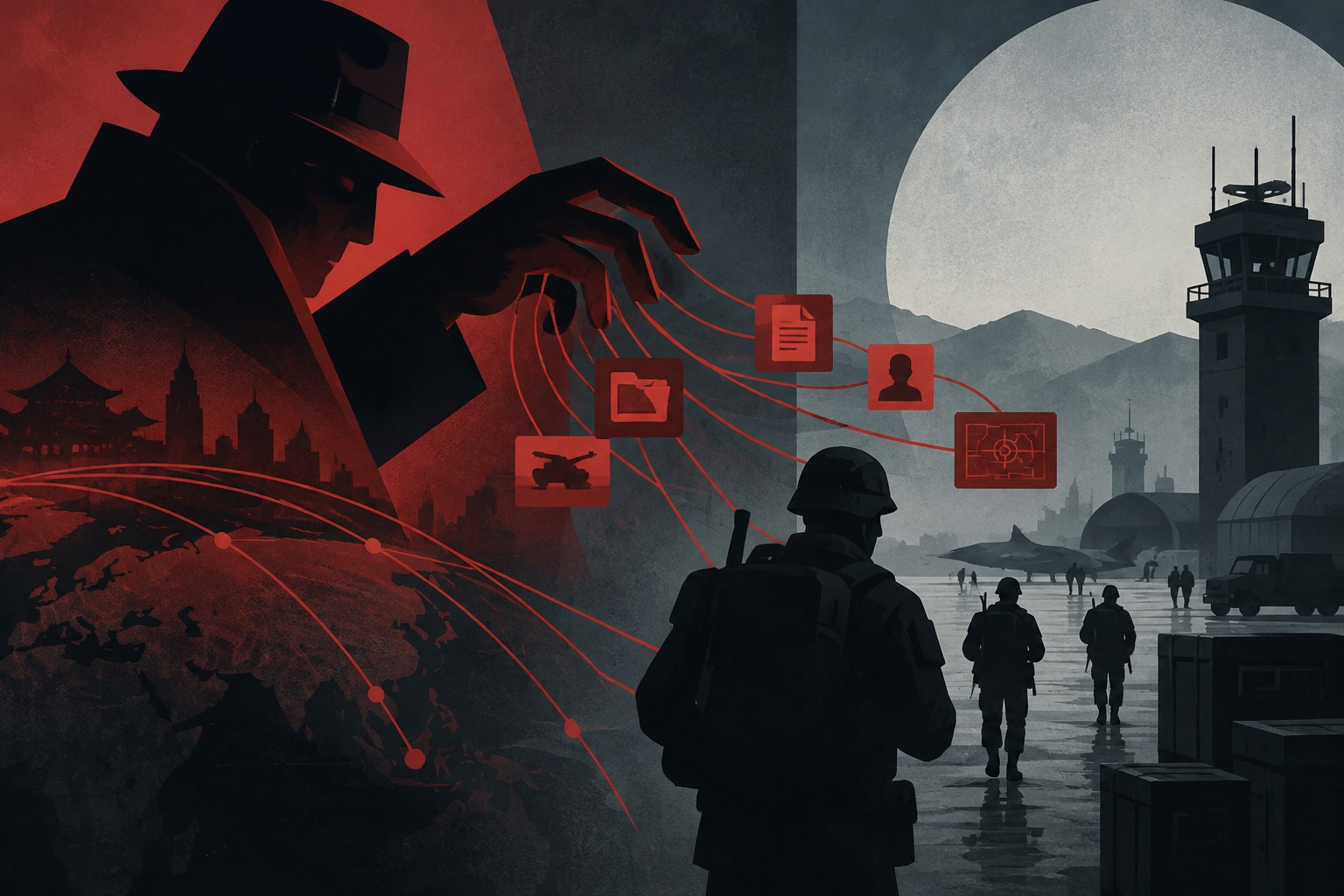
Recent guilty pleas reveal China's ongoing efforts to recruit U.S. military personnel and steal sensitive information.
What's Happening
- •An Army supply sergeant recently pled guilty to charges related to espionage.
- •This case is part of a broader pattern of espionage targeting U.S. military personnel.
- •Chinese operatives are actively seeking to recruit U.S. troops for intelligence purposes.
Why It Matters
As military personnel, understanding the tactics used by foreign agents is crucial for maintaining operational security. These espionage efforts not only threaten individual service members but also compromise the integrity of military operations and national security as a whole.
What Changes Now
- •Increased training on counterintelligence measures is being implemented across all branches of the military. This training will help service members recognize and respond to potential espionage attempts more effectively.
- •Service members are advised to report any suspicious interactions with foreign nationals immediately. This proactive approach is essential to mitigate risks and protect sensitive information.
- •The military is enhancing its support systems for personnel who may feel pressured or targeted by foreign agents. This includes access to counseling and legal advice to navigate these situations safely.
What to Watch
- •Upcoming military training sessions focused on counterintelligence will be rolled out in 2027. These sessions will be crucial for educating troops on recognizing foreign recruitment tactics.
- •The Department of Defense is expected to release new guidelines on reporting espionage attempts by early 2027. These guidelines will clarify the procedures for service members and their families.
- •Ongoing investigations into espionage cases will continue to unfold throughout 2026. The outcomes of these cases may influence future military policy and training.
Get the Daily Briefing
Military and veteran news that actually affects you, in your inbox each morning.
More Context
- •Espionage Cases on the Rise: The recent guilty plea from an Army supply sergeant underscores a troubling trend in espionage targeting U.S. military personnel. This case is not isolated; it reflects a series of incidents where individuals in the military have been approached by foreign agents, particularly from China, who are interested in obtaining sensitive information and technology. The implications of these cases are significant, as they not only threaten national security but also undermine the trust that is essential within military ranks.
- •Recruitment Tactics Used by Foreign Agents: Chinese operatives have developed sophisticated methods to recruit U.S. service members, appealing to their vulnerabilities and exploiting their positions. These tactics often include financial incentives, promises of career advancement, or even coercion. For active-duty members, particularly those in sensitive roles such as intelligence or technology, the risk of being approached by foreign agents is increasing, necessitating greater awareness and caution.
- •Impact on Service Members and Their Families: The implications of these espionage efforts extend beyond individual service members; they affect families and the broader military community. Service members, especially those in the ranks of E-4 to E-6, may find themselves in precarious situations where their loyalty and judgment are tested. The stress of potential espionage can also impact their families, who may face uncertainty and fear regarding their loved ones' safety and integrity.
- •Preventive Measures and Resources: In light of these developments, the military is emphasizing the importance of training and education on recognizing and reporting suspicious activities. Service members are encouraged to utilize resources such as the Department of Defense's counterintelligence programs and to remain vigilant. Reporting any unusual contacts or offers can be crucial in preventing potential breaches of security. Additionally, military families should stay informed about these risks and engage in discussions about the importance of safeguarding sensitive information.
Frequently Asked Questions
What should I do if I am approached by a foreign agent?
Immediately report the incident to your chain of command and the appropriate counterintelligence office. It's crucial to document the encounter as thoroughly as possible.
Are there specific signs that indicate someone is trying to recruit me?
Look for unusual offers of money, gifts, or promises of career advancement that seem too good to be true. Additionally, any pressure to share sensitive information should be taken seriously.
The Daily Briefing
Military & veteran news that actually affects you — delivered every morning.
- Pay, benefits & policy changes
- Pentagon decisions that matter
- VA updates for veterans & families
- One email. No spam. Unsubscribe anytime.
Related Stories
- Army to Detonate U.S. Stockpile of Bomb-Making Chemicals in Iowa Before Thanksgiving— Federal News Network
- Ford in Talks with Pentagon to Supply Military Vehicles— Military Times
- US Civilian Harm Compensation System Faces Fraud Risks— Navy Times
- Pentagon Audit Fails Again, Fraud Concerns Rise Among Defense Officials— Military Times