Japanese Global Hawk Drone Crash Cuts Fleet by One-Third
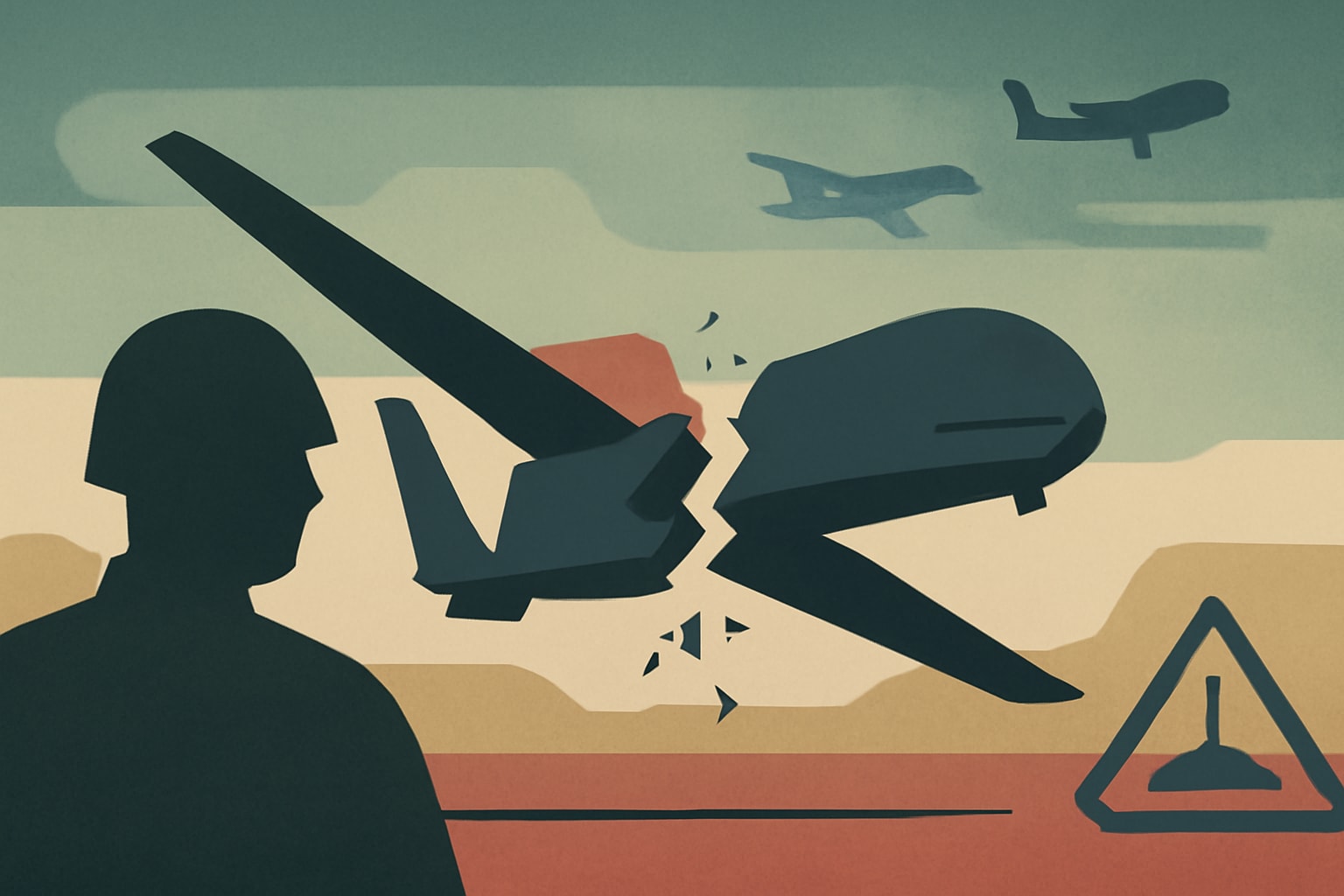
The recent crash of a Japanese Global Hawk drone in the Sea of Japan significantly impacts Japan's surveillance capabilities.
What's Happening
- •A Japanese Global Hawk drone crashed into the Sea of Japan this week.
- •The incident has reduced Japan's fleet of Global Hawk drones by one-third.
- •This crash raises concerns about Japan's surveillance and reconnaissance capabilities.
Why It Matters
The crash of the Global Hawk drone is a critical event for Japan's military capabilities, particularly in the context of regional security dynamics. As tensions in the Asia-Pacific region escalate, the ability to effectively monitor and respond to threats is paramount, making this incident particularly relevant for military personnel and defense stakeholders.
What Changes Now
- •Japan's fleet of Global Hawk drones is now reduced by one-third. This change may lead to a temporary decrease in surveillance operations over critical areas.
- •The ASDF will need to evaluate its current operational capabilities in light of this loss. Personnel may be reassigned to ensure that essential ISR tasks continue despite the reduced fleet.
- •Increased scrutiny on safety protocols may arise following the crash. This could lead to enhanced training and operational guidelines for drone operators.
What to Watch
- •Monitor updates on the investigation into the crash. The findings could influence future operational procedures and safety measures for UAV operations.
- •Watch for announcements regarding the replacement or repair of the downed drone. Decisions made in the coming weeks will impact Japan's ISR capabilities.
- •Keep an eye on potential shifts in defense spending or procurement strategies. The loss of this drone may prompt discussions about investing in newer technologies.
Get the Daily Briefing
Military and veteran news that actually affects you, in your inbox each morning.
More Context
- •Impact on Japan's Surveillance Capabilities: The loss of the Global Hawk drone is significant for Japan's military, which relies on these unmanned aerial vehicles (UAVs) for surveillance and reconnaissance missions. With one-third of its fleet now grounded, Japan may face challenges in monitoring regional threats, particularly in the context of ongoing tensions with North Korea and China. The Global Hawk is known for its high-altitude, long-endurance capabilities, which are crucial for gathering intelligence over vast areas.
- •Operational Readiness and Future Deployments: The crash could affect Japan's operational readiness, particularly for units involved in intelligence, surveillance, and reconnaissance (ISR) operations. Units like the Air Self-Defense Force (ASDF), which operates these drones, may need to adjust their deployment strategies while awaiting repairs or replacements. This situation could lead to increased scrutiny of Japan's defense spending and procurement strategies in the coming months.
- •What This Means for Military Personnel: For service members involved in drone operations, this incident may prompt discussions about safety protocols and operational procedures. Active-duty personnel, particularly those in the ASDF and other branches that utilize UAVs, might face increased training and evaluation requirements to prevent future incidents. Additionally, the crash could lead to a reassessment of the technology used in these drones and the need for upgrades or new systems.
Frequently Asked Questions
How does the drone crash affect Japan's military operations?
The crash reduces Japan's surveillance capabilities, impacting its ability to monitor regional threats.
What will happen to the personnel involved in UAV operations?
Personnel may face increased training requirements and potential reassignment to maintain operational readiness.
Are there plans to replace the lost drone?
Japan will likely evaluate its options for replacement or repair, which will affect future ISR capabilities.
The Daily Briefing
Military & veteran news that actually affects you — delivered every morning.
- Pay, benefits & policy changes
- Pentagon decisions that matter
- VA updates for veterans & families
- One email. No spam. Unsubscribe anytime.
Related Stories
- Space Force Leaders Outline Plans to More Than Double the Force— Air & Space Forces Magazine
- Air Force's Collaborative Combat Aircraft to Debut in December Exercise— Air & Space Forces Magazine
- Pentagon Looks to AI to Identify Space and Missile Threats— Army Times
- General Atomics Reveals Wildfire Drone, Potential MQ-9 Successor— Air & Space Forces Magazine