US Military Could Take Three Years to Replenish Missile Defenses
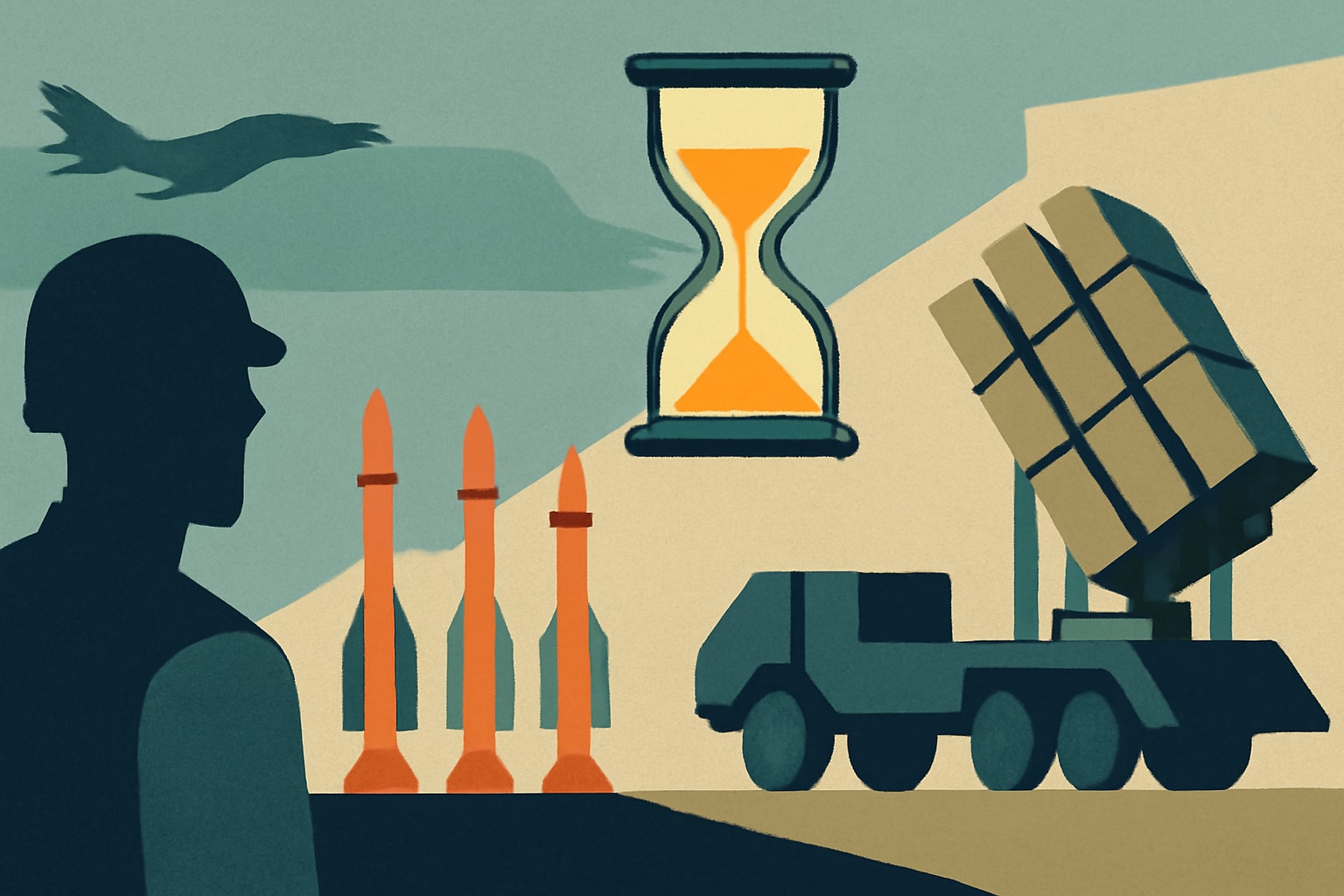
Experts warn that the U.S. military's missile defense systems may take years to restock after deployment in the Iran conflict.
What's Happening
- •The U.S. military has depleted its stock of Patriot and THAAD missiles due to their use in the Iran conflict.
- •Experts estimate it could take up to three years to fully replenish these missile systems.
- •The delay in restocking may impact the military's readiness for future conflicts.
Why It Matters
The replenishment of missile defense systems is crucial for maintaining U.S. military readiness and national security. For service members and veterans, understanding the implications of these delays can inform their roles and responsibilities in an evolving defense landscape.
What Changes Now
- •The U.S. military will experience a gap in missile defense capabilities. This gap could affect operational readiness and strategic planning for future conflicts.
- •Budget allocations for missile defense may shift to prioritize replenishment efforts. Service members should be aware of potential changes in resource availability and mission focus.
- •Personnel in missile defense roles may need to adapt to operating with limited resources. This adaptation could require additional training or strategic adjustments in their operations.
What to Watch
- •Monitor updates from the Department of Defense regarding missile defense replenishment timelines. These updates will provide insight into when the military expects to restore its capabilities.
- •Watch for budget discussions in Congress that may impact missile defense funding. Decisions made in these discussions will affect the speed and extent of replenishment efforts.
- •Stay informed about geopolitical developments that may influence the urgency of missile defense restocking. Changes in international relations could alter the military's operational priorities.
Get the Daily Briefing
Military and veteran news that actually affects you, in your inbox each morning.
More Context
- •Current Status of Missile Defense Systems: The U.S. military has relied heavily on its Patriot and Terminal High Altitude Area Defense (THAAD) systems in recent operations, particularly in the ongoing conflict involving Iran. These systems are crucial for intercepting incoming threats, and their depletion raises significant concerns about national security and military readiness. As these systems are used, the inventory diminishes, and the timeline for replenishment becomes critical. Experts suggest that the U.S. may face a substantial gap in missile defense capabilities, which could leave the nation vulnerable to potential threats.
- •Implications for Military Readiness: The delay in restocking missile defense systems could have serious implications for military readiness and operational capabilities. Active duty personnel, particularly those in missile defense roles such as 14J (Air Defense Artillery) and 14E (Patriot Fire Control Enhanced Operator/Maintainer), may find themselves facing increased pressure to maintain effectiveness with limited resources. This situation could necessitate a reevaluation of defense strategies and priorities, as the military may need to adapt to a new landscape of threats without sufficient missile defense support.
- •Action Steps for Service Members: Service members should stay informed about the status of missile defense systems and any changes in operational readiness. It is advisable for personnel in relevant fields to engage with their leadership regarding resource availability and potential impacts on their missions. Additionally, service members can monitor official communications from the Department of Defense and their respective branches for updates on restocking timelines and strategic shifts that may affect their roles.
- •Future Considerations: As the U.S. military looks to replenish its missile defense systems, several factors will influence the timeline and effectiveness of these efforts. Budget allocations, manufacturing capabilities, and geopolitical considerations will all play a role in determining how quickly the military can restore its missile defense capabilities. Service members should remain vigilant and prepared for potential changes in operational directives as the military navigates these challenges.
Frequently Asked Questions
Does this affect Guard members on Title 10 orders?
Yes, the depletion of missile defense systems impacts all branches, including the National Guard on Title 10 orders, as they may be called to support missions requiring these capabilities.
Will my deployment be affected by missile defense shortages?
Potentially, if your deployment involves missile defense operations, the shortage could lead to changes in mission assignments or delays in deployment timelines.
Veteran Take
For those who've served, the implications of delayed missile defense replenishment hit home. We understand the importance of readiness, and seeing our capabilities stretched thin can be concerning. Veterans navigating this will likely reflect on their experiences and the critical role we play in ensuring our nation's security, especially in times of conflict.
The Daily Briefing
Military & veteran news that actually affects you — delivered every morning.
- Pay, benefits & policy changes
- Pentagon decisions that matter
- VA updates for veterans & families
- One email. No spam. Unsubscribe anytime.
Related Stories
- Critics Warn AI Military Targeting Could Outpace Human Oversight— Military Times
- Space Force Enhances Capabilities for Tracking Moving Targets— Air & Space Forces Magazine
- Italian NATO Fighter Jet Downs Drone in Lithuania, Likely from Russia— Defense News
- Pentagon Looks to AI to Identify Space and Missile Threats— Military Times