Transitioning Leadership: Lessons from Iraq and Afghanistan Veterans
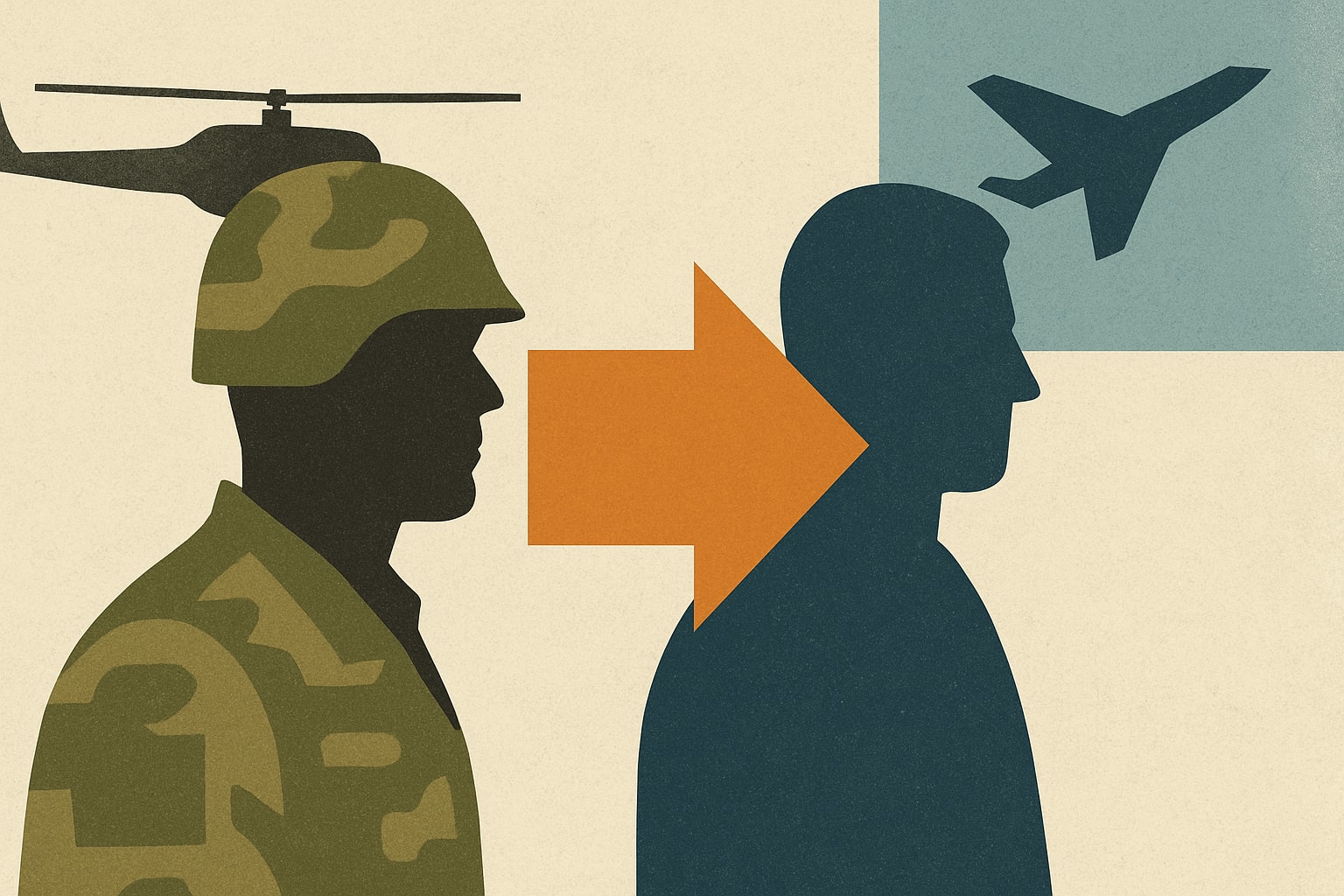
The retirement of post-9/11 veterans raises critical questions about the future of military leadership and the lessons learned.
What's Happening
- •Post-9/11 veterans are retiring from active service, impacting military leadership.
- •These veterans bring unique experiences from Iraq and Afghanistan that could shape future operations.
- •New leaders will need to adapt and integrate these lessons into modern military strategy.
Why It Matters
The retirement of the post-9/11 generation marks a significant transition in military leadership, as their experiences and lessons learned from two decades of conflict are invaluable. Understanding and integrating these lessons is crucial for maintaining operational effectiveness and preparing for future challenges in warfare.
What Changes Now
- •The military will see a shift in leadership as post-9/11 veterans retire. This change requires new leaders to quickly adapt and learn from the experiences of their predecessors.
- •Mentorship programs may be established to facilitate knowledge transfer. These programs will help bridge the gap between retiring veterans and incoming leaders.
- •Training curricula will likely evolve to incorporate lessons from recent conflicts. This ensures that new leaders are equipped with relevant strategies and insights.
What to Watch
- •Look for the establishment of mentorship programs between retiring veterans and new leaders. These programs will be crucial for transferring knowledge and experiences.
- •Monitor changes in military training curricula that reflect lessons learned from Iraq and Afghanistan. This will indicate how the military is adapting to new challenges.
- •Keep an eye on discussions within military leadership about integrating veteran insights into strategic planning. This will shape future operational approaches.
Get the Daily Briefing
Military and veteran news that actually affects you, in your inbox each morning.
More Context
- •The Impact of Retiring Veterans: The retirement of the post-9/11 generation signifies a pivotal shift in military leadership. As these veterans step away, they take with them invaluable experiences gained from two decades of conflict in Iraq and Afghanistan. This transition presents both challenges and opportunities for the military. New leaders must not only understand the operational lessons learned but also the cultural and psychological impacts of prolonged engagements. The challenge lies in effectively passing on this knowledge to ensure continuity and preparedness for future conflicts.
- •Lessons Learned from Two Decades of Conflict: Veterans of the Iraq and Afghanistan wars have accumulated a wealth of knowledge that is critical for future military operations. Key lessons include the importance of adaptive leadership, the necessity of understanding local cultures, and the value of coalition partnerships. These insights are essential for junior officers, particularly those in the ranks of O-1 to O-3 and E-5 to E-7, who will be stepping into leadership roles. As these new leaders rise, they must prioritize integrating these lessons into their training and operational planning to avoid repeating past mistakes.
- •Preparing for the Future: As the military faces new challenges, it is crucial for incoming leaders to engage with retiring veterans to capture their insights. This can be facilitated through mentorship programs, formal debriefings, and collaborative training exercises. Active duty personnel, particularly those in combat arms and support roles, should seek opportunities to learn from their predecessors. By fostering a culture of knowledge sharing, the military can ensure that the lessons of the past inform the strategies of the future.
Frequently Asked Questions
How will the retirement of veterans affect military training?
The retirement of veterans is expected to lead to changes in military training curricula, incorporating lessons learned from recent conflicts to prepare new leaders.
What can new leaders do to learn from retiring veterans?
New leaders should actively seek mentorship opportunities and engage in discussions with retiring veterans to gain insights from their experiences.
Key Takeaways
- •Post-9/11 veterans are retiring, creating a leadership gap.
- •Their experiences from Iraq and Afghanistan are vital for future military strategy.
- •New leaders must actively engage with retiring veterans to learn and adapt.
The Daily Briefing
Military & veteran news that actually affects you — delivered every morning.
- Pay, benefits & policy changes
- Pentagon decisions that matter
- VA updates for veterans & families
- One email. No spam. Unsubscribe anytime.
Related Stories
- Essential Tips to Protect Your Money During Your PCS Move— Military.com
- Research Shows $500 Bonus Could Retain Military Childcare Workers— Army Times
- Even $500 Could Help Retain Military Childcare Workers— Military Times
- Risks of Hormone Replacement Therapy for Military Personnel Highlighted by Former VA Secretary— Navy Times