Iranian Strikes Damage Hundreds of U.S. Military Buildings and Aircraft
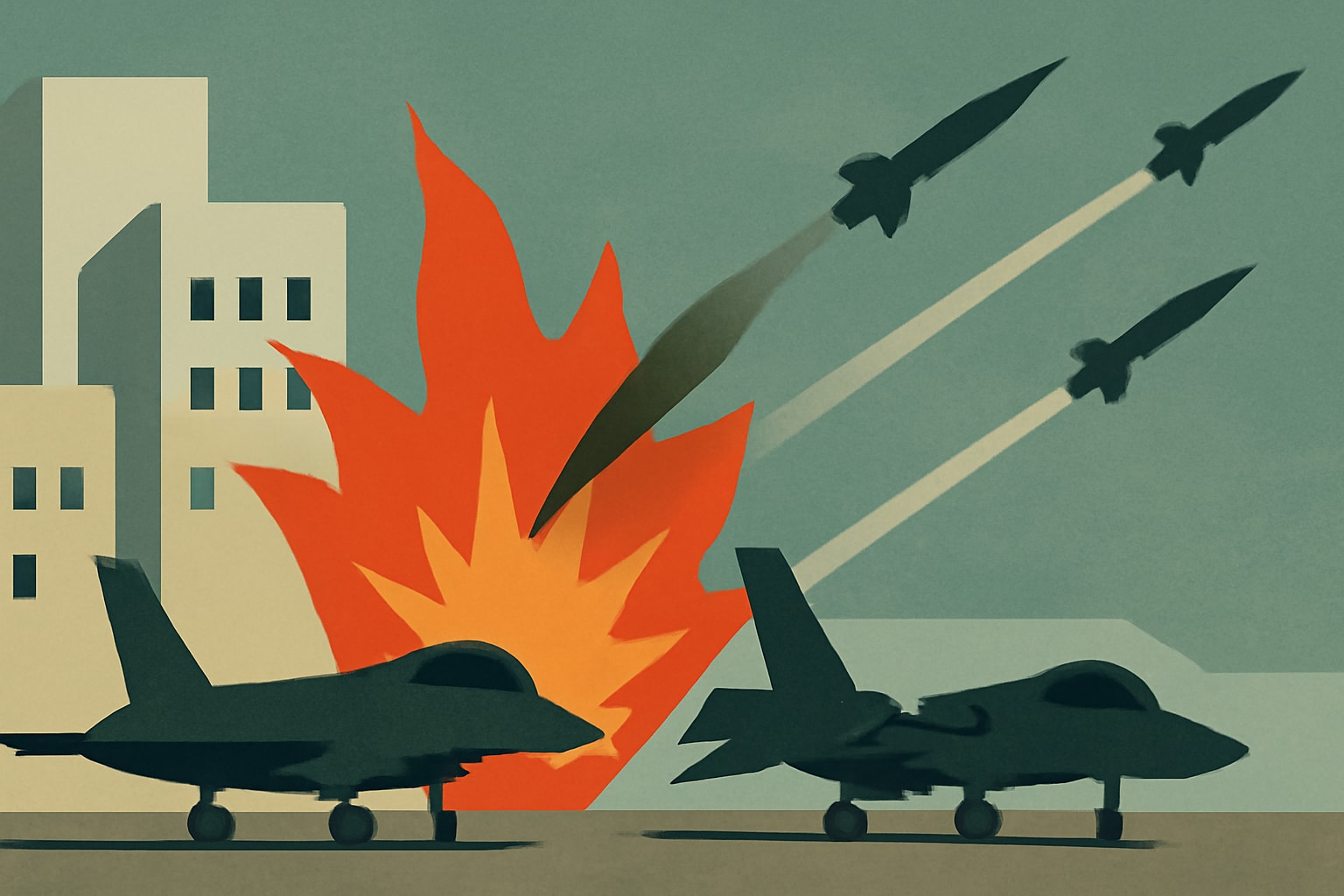
Recent Iranian strikes have severely impacted U.S. military infrastructure, raising concerns about operational readiness.
What's Happening
- •Iranian strikes have damaged hundreds of U.S. military and diplomatic buildings.
- •Dozens of aircraft have also been affected by these strikes.
- •The Pentagon watchdog has reported these damages, highlighting security vulnerabilities.
Why It Matters
The damage to U.S. military infrastructure from Iranian strikes raises significant concerns about military readiness and the safety of service members. As tensions escalate in the region, understanding the implications of these attacks is crucial for active-duty personnel and their families, who may face increased risks and changes in their operational environment.
What Changes Now
- •Military assessments of damage will commence immediately. This will involve evaluating the extent of the damage and prioritizing repairs to ensure operational readiness.
- •Service members may experience changes in their deployment schedules as the military responds to the situation. Those in affected areas should prepare for potential relocations or increased security measures.
- •Increased security protocols will likely be implemented at military installations. This may include heightened vigilance and restrictions on movement for personnel and their families.
What to Watch
- •Look for updates from the Pentagon regarding recovery efforts and operational changes. These updates will provide critical information on how the military plans to address the damage and restore readiness.
- •Monitor announcements related to potential escalations in military engagement with Iran. Decisions made by military leadership will impact service members and their families directly.
- •Keep an eye on congressional responses to the situation, as funding and resource allocations may be affected. Legislative actions could influence the military's ability to address damages and enhance security.
Get the Daily Briefing
Military and veteran news that actually affects you, in your inbox each morning.
More Context
- •Overview of Damage: Recent Iranian missile strikes have resulted in significant damage to U.S. military infrastructure, including hundreds of buildings and numerous aircraft. The Pentagon watchdog's report indicates that both military and diplomatic facilities have been targeted, raising concerns about the safety and security of personnel stationed at these locations. This development underscores the ongoing tensions in the region and the potential implications for U.S. military operations.
- •Impact on Military Readiness: The damage inflicted by these strikes could have serious repercussions for U.S. military readiness. With dozens of aircraft affected, operational capabilities may be compromised, particularly for units relying on air support. Active duty service members, especially those in operational roles such as pilots and maintenance crews, may face increased pressure to restore functionality to these assets quickly.
- •Security Concerns for Service Members: The strikes have heightened security concerns for service members and their families, particularly those stationed in the affected areas. The potential for further attacks may necessitate changes in deployment strategies and increased protective measures. Service members in combat arms MOSs, such as infantry and artillery, may need to adapt to new operational protocols to ensure their safety and effectiveness in the field.
- •Next Steps for the Military: In response to the damage, the military is likely to initiate assessments and repairs to affected facilities and aircraft. This process will involve coordination between various branches and may require additional funding and resources. Service members should stay informed about any changes to their operational status or deployment schedules as the situation develops.
Frequently Asked Questions
Does this affect Guard members on Title 10 orders?
Yes, Guard members on Title 10 orders may be impacted by changes in operational readiness and deployment schedules due to the damage caused by the strikes.
Will my BAH change if I move duty stations mid-year?
Your Basic Allowance for Housing (BAH) may change if you move to a new duty station, as BAH rates are determined by location and rank.
The Daily Briefing
Military & veteran news that actually affects you — delivered every morning.
- Pay, benefits & policy changes
- Pentagon decisions that matter
- VA updates for veterans & families
- One email. No spam. Unsubscribe anytime.
Related Stories
- Marine Corps Requires Annual Gas Mask Fit Tests for All Marines— Military.com
- How the Army Used ‘Ghost Tapes’ for Psychological Warfare in Vietnam— Military.com
- CMMC Reform: Pentagon Calls for Transition Plan to Sustain Momentum— Federal News Network
- Georgia National Guard Helicopters Assist Police in Marijuana Enforcement— Task & Purpose