U.S. Military Intercepts Iranian Missiles Targeting Forces in Kuwait
Recent missile strikes from Iran have heightened tensions as U.S. forces in Kuwait face ongoing threats.
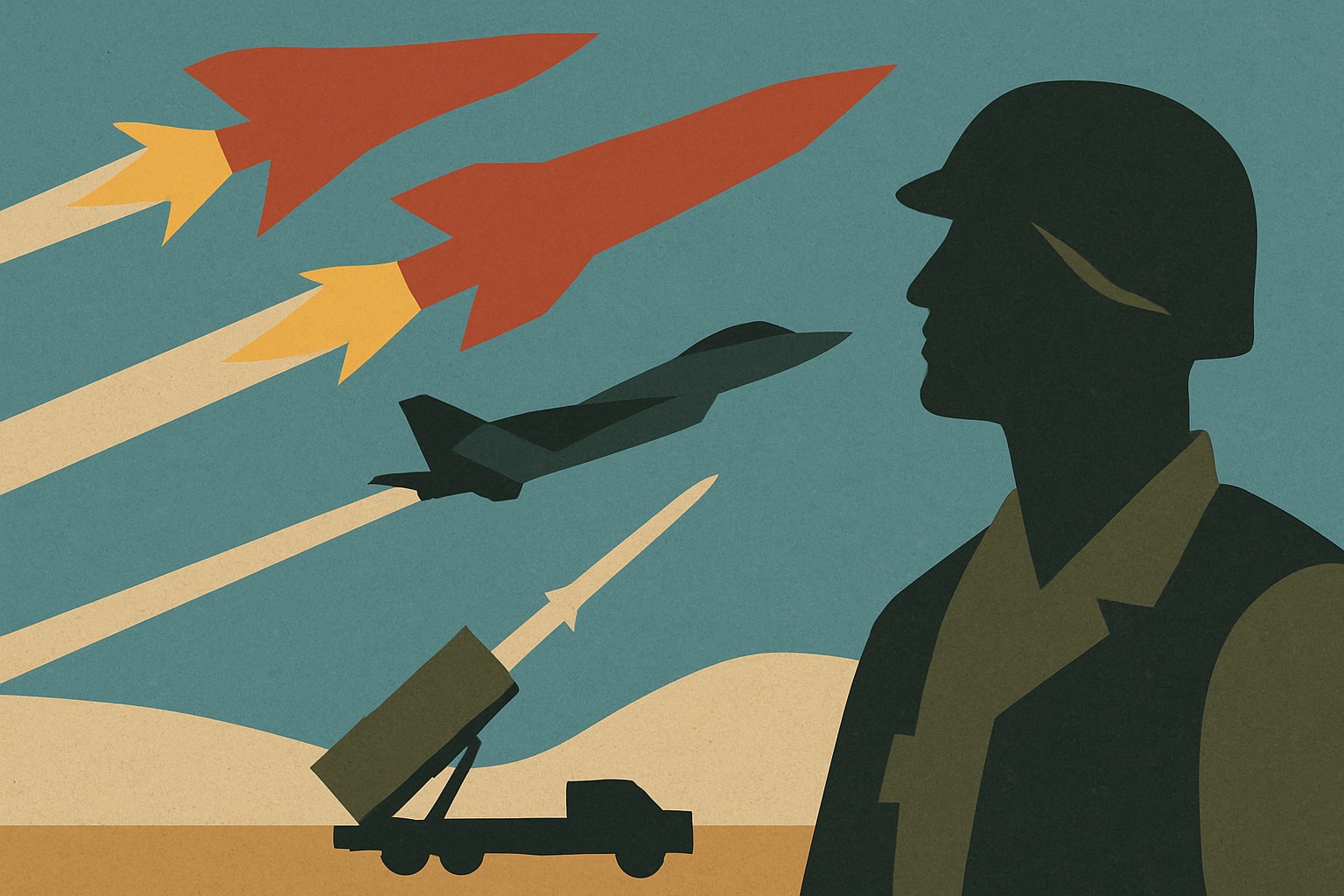
What's Happening
- •Iranian missiles targeted U.S. military forces stationed in Kuwait on Sunday night.
- •The U.S. military successfully intercepted the missiles before they could cause damage.
- •Several U.S. troops were reportedly injured in missile strikes last week.
Why It Matters
The recent missile attacks underscore the ongoing risks faced by U.S. service members stationed in the Middle East. With several troops already injured, the situation demands heightened awareness and preparedness among military personnel and their families.
What Changes Now
- •U.S. forces in Kuwait will increase security measures in response to the missile threats. This includes enhanced surveillance and readiness protocols to protect against future attacks.
- •Commanders may implement new operational guidelines to ensure troop safety. These guidelines will be communicated through official channels, and all service members are expected to comply.
- •Injured service members from previous strikes should seek immediate medical assistance. Proper documentation of injuries is essential for future care and benefits.
What to Watch
- •Monitor updates from U.S. Central Command regarding operational changes. These updates will provide critical information on troop safety and mission adjustments.
- •Watch for potential diplomatic responses from the U.S. government regarding Iran's actions. These responses could influence the security environment in the region.
- •Keep an eye on the status of injured personnel and any support resources available. This information will be crucial for those affected and their families.
Get the Daily Briefing
Military and veteran news that actually affects you, in your inbox each morning.
More Context
- •Background on the Escalating Tensions: The recent missile strikes from Iran mark a significant escalation in ongoing hostilities between the two nations. U.S. forces in Kuwait have been on high alert due to previous incidents, including missile attacks that have already resulted in injuries among service members. This situation reflects a broader pattern of aggression from Iran, which has been increasingly targeting U.S. interests in the region.
- •Impact on U.S. Forces in Kuwait: Active duty service members, particularly those in combat arms roles such as 11B Infantrymen and 13F Fire Support Specialists, are directly affected by these missile threats. The heightened risk necessitates increased vigilance and preparedness, impacting daily operations and morale among troops. Commanders may need to implement additional safety protocols to ensure the well-being of their personnel.
- •What Service Members Should Know: Service members stationed in Kuwait should stay informed about the evolving security situation and follow all directives from their chain of command. It is crucial to remain aware of any changes in operational procedures or safety measures. Additionally, those who may have been injured in previous strikes should seek medical attention and report their injuries to ensure proper care and documentation.
- •Looking Ahead: Monitoring Developments: As tensions continue to rise, service members and their families should monitor official communications regarding any changes in deployment status or safety protocols. The U.S. military's response to these missile threats will likely evolve, and decisions from higher command will be critical in shaping the operational landscape. Keeping abreast of news updates and military briefings will be essential for all personnel involved.
Frequently Asked Questions
Does this affect Guard members on Title 10 orders?
Yes, Guard members on Title 10 orders in Kuwait will be subject to the same security protocols and operational changes as active duty personnel.
Will my BAH change if I move duty stations mid-year?
Your Basic Allowance for Housing (BAH) may change based on the new duty station's location and housing costs. Ensure to update your information through myPay.
Veteran Take
For those who've served in the Middle East, the news of missile attacks is a stark reminder of the dangers that persist long after our deployments. Veterans navigating this will understand the constant state of vigilance required to protect our troops and the weight of knowing that our brothers and sisters in arms are still facing such threats. It's a call to support those currently serving and to remain aware of the ongoing challenges they endure.
The Daily Briefing
Military & veteran news that actually affects you — delivered every morning.
- Pay, benefits & policy changes
- Pentagon decisions that matter
- VA updates for veterans & families
- One email. No spam. Unsubscribe anytime.
Related Stories
- Air Force Seeks Next-Gen Perimeter Air Defense Radars to Replace Aging Systems— Air & Space Forces Magazine
- AFRL Partners with Virgin Galactic to Collect Space Weather Data— Air & Space Forces Magazine
- Navy Cyber Defense Operations Command Adopts Watchstanding Principles for Cyber Resilience— Federal News Network
- OA-1K Skyraider II Goes Off Runway at Oklahoma Airport; Crew Safe— Air & Space Forces Magazine