Iranian Gunboats Fire on Tanker in Strait of Hormuz Amid Renewed Tensions
Iran's recent military actions in the Strait of Hormuz could exacerbate the ongoing energy crisis and regional instability.
What's Happening
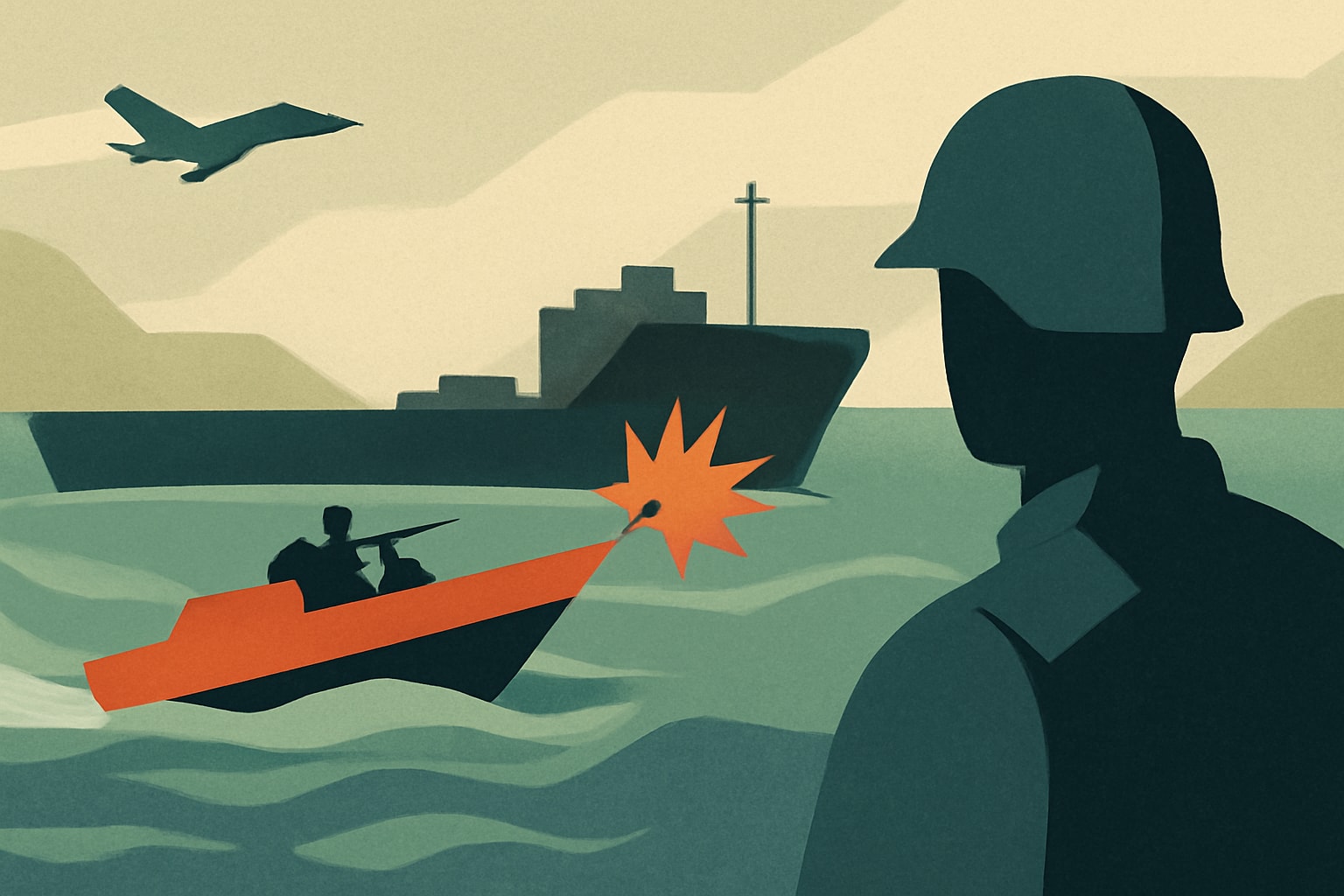
- •Iranian gunboats fired on a tanker in the Strait of Hormuz on April 18, 2026.
- •This incident marks a significant escalation in military tensions in the region.
- •The attack has raised concerns about the safety of maritime routes critical for global energy supplies.
Why It Matters
The Strait of Hormuz is a critical chokepoint for global oil shipments, and any military conflict in the area can have far-reaching implications for energy prices and international relations. For military personnel and veterans, understanding these dynamics is essential as they may impact future deployments and security policies.
What Changes Now
- •The incident has prompted a reassessment of naval operations in the region. Increased military readiness could lead to more frequent patrols and surveillance.
- •Countries reliant on oil imports may need to prepare for potential supply disruptions. This could involve diversifying energy sources or stockpiling reserves.
- •Military families should stay informed about potential changes in deployment schedules. These developments could affect the timing and location of assignments.
What to Watch
- •Monitor U.S. military responses in the region. Decisions regarding increased naval presence could be announced in the coming days.
- •Watch for fluctuations in global oil prices. Immediate reactions in the market may signal longer-term trends influenced by ongoing tensions.
- •Keep an eye on diplomatic discussions involving Iran. Future negotiations could either escalate or de-escalate the situation.
Get the Daily Briefing
Military and veteran news that actually affects you, in your inbox each morning.
More Context
- •Background on the Strait of Hormuz: The Strait of Hormuz is a vital waterway that connects the Persian Gulf to the Gulf of Oman, facilitating the transit of approximately 20% of the world's oil supply. Its strategic importance makes it a focal point for military activities and geopolitical tensions, particularly between Iran and Western nations.
- •Recent Military Actions: The recent firing incident is part of a broader pattern of aggressive maneuvers by Iran in the region. In response to perceived threats, Iran has been increasing its military presence and conducting exercises that could further destabilize the area.
- •Impact on Global Energy Markets: This escalation is likely to have immediate repercussions on global energy markets, potentially driving up oil prices and creating supply chain disruptions. Countries dependent on oil imports from the region may need to reassess their energy strategies and consider alternative sources.
- •Potential Military Responses: The U.S. and allied forces have historically maintained a presence in the region to ensure safe passage for commercial shipping. In light of this incident, there may be discussions among military leaders about increasing naval patrols and readiness to deter further Iranian aggression.
Veteran Take
For those who've served, the escalating tensions in the Strait of Hormuz are a stark reminder of the precarious nature of global security. We know all too well how such incidents can quickly spiral into larger conflicts, affecting not just military readiness but also the lives of everyday citizens. Veterans navigating this landscape must stay informed, as the implications of these actions could influence our own experiences and responsibilities in future deployments.
The Daily Briefing
Military & veteran news that actually affects you — delivered every morning.
- Pay, benefits & policy changes
- Pentagon decisions that matter
- VA updates for veterans & families
- One email. No spam. Unsubscribe anytime.
Related Stories
- US Army Considers Balloons for Military Operations— Military Times
- US Army Expands Dining Options to Fit Modern Soldier Schedules— Military Times
- Army Identifies Systematic Failures Contributing to DC Helicopter Crash— Task & Purpose
- Understanding Military Enlistment Waivers: Age and Medical Criteria— Military.com