Iran to Receive Chinese Shoulder-Launched Missile Systems Soon
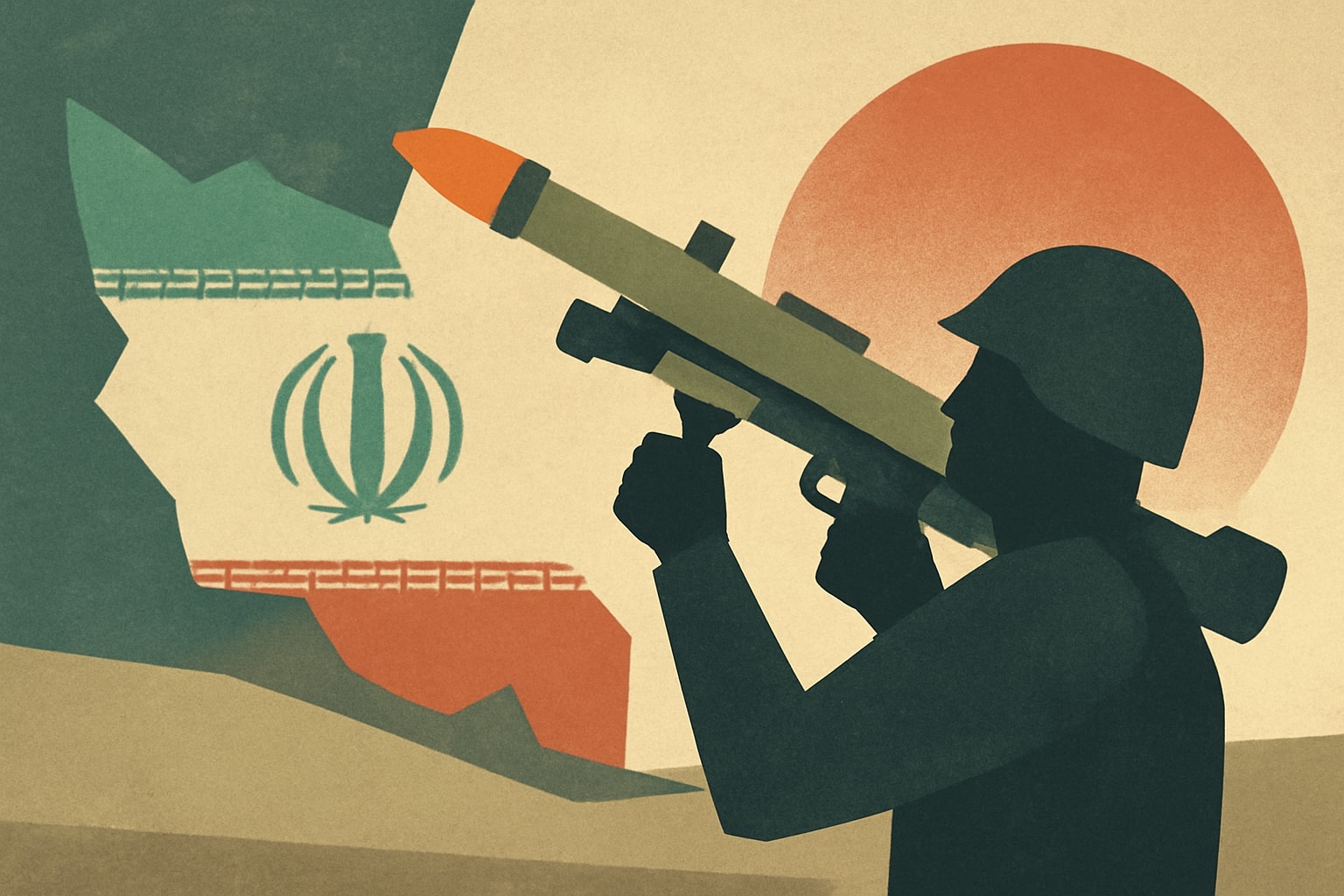
Iran is set to receive its first shipment of up to 400 Chinese-made shoulder-fired air defense missile launchers within weeks.
What's Happening
- •Iran is expected to receive a shipment of Chinese-made shoulder-fired missile systems within weeks.
- •The shipment could include up to 400 missile launchers.
- •This development is part of a broader arms agreement between Iran and China.
Why It Matters
The impending arrival of Chinese missile systems in Iran poses a direct challenge to U.S. military operations in the Middle East. For service members, this could mean a need for revised tactics and heightened awareness of potential threats in the region, impacting both active duty and reserve forces.
What Changes Now
- •The U.S. military may need to adjust its operational strategies in the Middle East. This could involve increased reconnaissance and altered flight paths to avoid potential threats from the new missile systems.
- •Service members should prepare for potential changes in mission parameters. This includes being aware of heightened risks and possible changes in engagement rules.
- •Military families may experience increased uncertainty regarding deployments. As the situation evolves, families should stay informed through official channels.
What to Watch
- •Monitor updates from the Department of Defense regarding military posture in the Middle East. Changes may occur as assessments of the threat landscape evolve.
- •Watch for intelligence reports on Iran's deployment of these missile systems. The timeline for operational readiness could impact regional military strategies.
- •Keep an eye on diplomatic responses from the U.S. and allied nations. Decisions on sanctions or military support may arise in response to this development.
Get the Daily Briefing
Military and veteran news that actually affects you, in your inbox each morning.
More Context
- •Details of the Shipment: Iran's anticipated shipment of shoulder-fired missile systems from China marks a significant development in its military capabilities. These systems are designed for short-range air defense and can be used against low-flying aircraft, making them a valuable asset for Iran's defense strategy. The specific model of these missile systems has not been disclosed, but they are expected to enhance Iran's ability to protect critical infrastructure and military assets.
- •Regional Security Implications: The arrival of these missile systems could alter the balance of power in the Middle East. For U.S. military personnel, particularly those in the region, this development raises concerns about increased threats to air operations. The potential for Iran to deploy these systems could complicate military strategies and operations, especially for air support missions conducted by U.S. Air Force and Navy units.
- •Impact on Military Strategy: U.S. military planners will need to reassess their strategies in light of Iran's enhanced air defense capabilities. This includes evaluating the risks to aircraft and personnel in the region, particularly for those involved in air patrols or reconnaissance missions. Active duty personnel, especially those in the Air Force and Navy, should prepare for possible adjustments in operational tactics to mitigate the increased threat posed by these systems.
- •Monitoring Future Developments: As the situation unfolds, military families and defense personnel should stay informed about potential changes in U.S. military posture in the region. Regular updates from the Department of Defense and intelligence agencies will provide insights into how these developments could affect mission planning and troop deployments. Additionally, service members should remain aware of any changes in regional security assessments that might impact their roles.
Frequently Asked Questions
Does this affect Guard members on Title 10 orders?
Yes, Guard members on Title 10 orders may have their operational parameters adjusted based on the evolving threat landscape in the region.
Will my deployment change due to these missile systems?
Deployments may be reassessed as military strategies adapt to the new threat posed by Iran's missile capabilities.
Veteran Take
For those who've served, the arrival of Chinese missile systems in Iran is a stark reminder of the evolving threats we face in the Middle East. Veterans navigating this will understand that such developments require us to stay vigilant and adapt our strategies, as our brothers and sisters in uniform may soon find themselves in more precarious situations. We know all too well that each new weapon in the hands of adversaries can change the dynamics of the battlefield, and it’s crucial that we support our military’s readiness to respond.
The Daily Briefing
Military & veteran news that actually affects you — delivered every morning.
- Pay, benefits & policy changes
- Pentagon decisions that matter
- VA updates for veterans & families
- One email. No spam. Unsubscribe anytime.
Related Stories
- Space Force Leaders Outline Plans to More Than Double the Force— Air & Space Forces Magazine
- Air Force's Collaborative Combat Aircraft to Debut in December Exercise— Air & Space Forces Magazine
- US and Germany Expand Production of Patriot Interceptors and Strike Missiles— Military Times
- Ten Airmen Awarded Battlefield Promotions for DUDE 44 Rescue Operation— Air & Space Forces Magazine