Iran Targets U.S. Military Base in Second Drone Attack in Bahrain
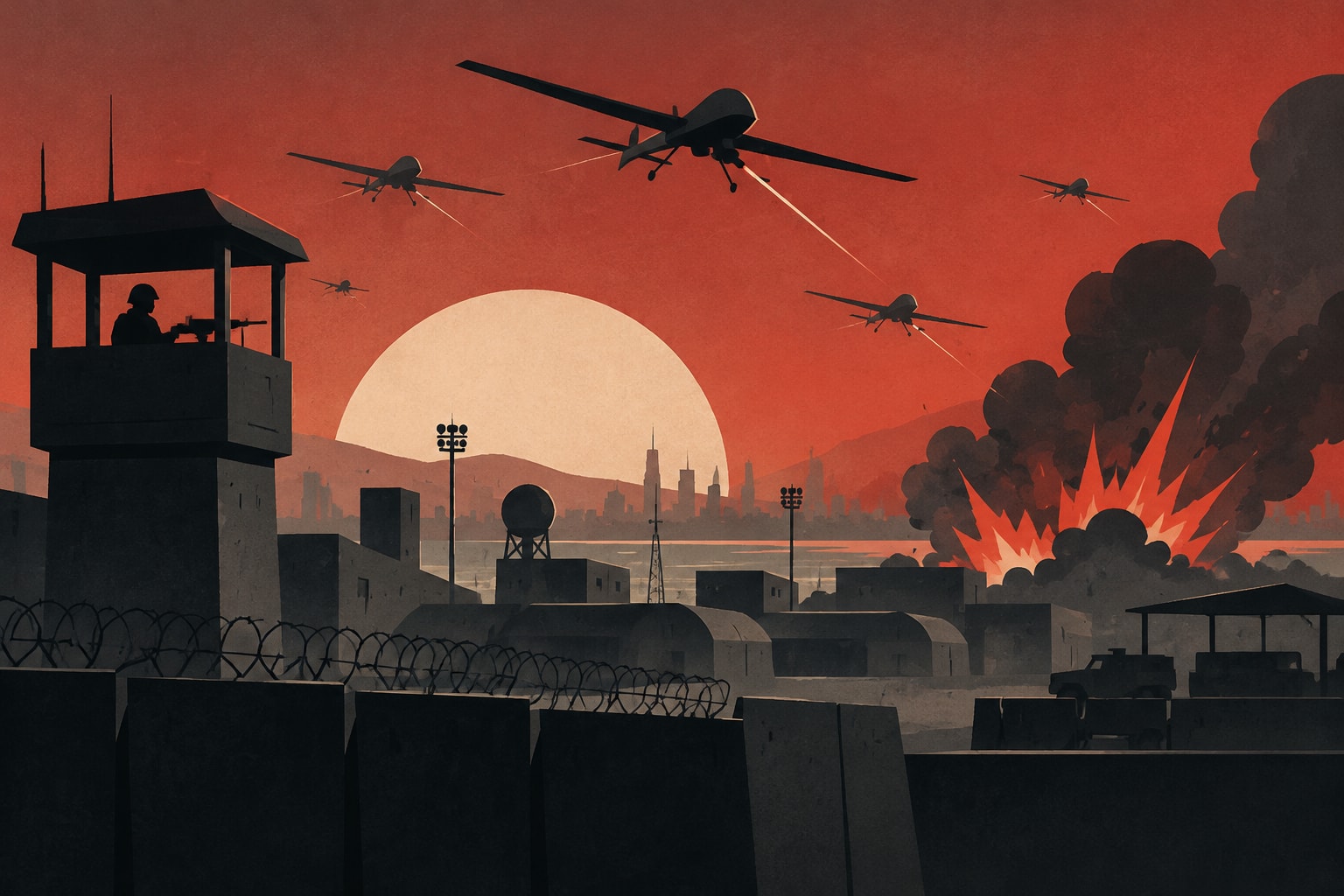
Iran's IRGC claims responsibility for a drone strike on a U.S. air defense radar at Bahrain's al-Riffa air base, prompting travel warnings.
What's Happening
- •Iran's Islamic Revolutionary Guard Corps (IRGC) has conducted a drone attack on the U.S. air defense radar at al-Riffa air base in Bahrain.
- •This incident marks the second drone strike against U.S. military installations in Bahrain within three days.
- •The U.S. Embassy in Bahrain has issued warnings to American citizens regarding potential travel disruptions.
Why It Matters
The recent drone attacks on U.S. military bases in Bahrain underscore the increasing volatility in the region and the direct threats to U.S. forces. For service members and their families, understanding these developments is vital for ensuring safety and preparedness in a potentially escalating conflict.
What Changes Now
- •U.S. military operations in Bahrain will likely see increased security measures. This includes heightened readiness protocols for air defense units and potentially restricted off-base activities.
- •The U.S. Embassy has issued travel warnings for American citizens in Bahrain. This may affect military families planning visits or relocations, requiring them to stay updated on safety advisories.
- •Personnel may receive new guidance on operational security and personal safety. It is essential for service members to remain vigilant and adhere to updated protocols to ensure their safety.
What to Watch
- •Watch for updates from the U.S. military regarding operational changes in Bahrain. These updates will provide crucial information on security measures and readiness levels in response to the drone attacks.
- •Monitor the U.S. Embassy's travel advisories for American citizens in Bahrain. These advisories will outline safety protocols and any restrictions that may impact military families and personnel.
- •Stay informed about potential retaliatory actions from the U.S. military against Iranian threats. These decisions will shape the operational landscape and could affect service members stationed in the region.
Get the Daily Briefing
Military and veteran news that actually affects you, in your inbox each morning.
More Context
- •Overview of the Drone Attacks: The recent drone attacks on the U.S. military base in Bahrain highlight escalating tensions in the region. The IRGC's claim of responsibility indicates a targeted approach towards U.S. military assets, specifically air defense capabilities. This marks a significant shift in Iran's military strategy, showcasing their ability to conduct precision strikes against U.S. forces stationed abroad. For service members at al-Riffa and other bases in Bahrain, this situation raises serious concerns about operational security and personal safety.
- •Impact on Service Members and Families: Active duty personnel, especially those in air defense roles, such as 14J Air Defense Artillery Officers and 14E Air Defense Artillery Warrant Officers, are directly affected by these attacks. The heightened threat level may lead to increased security protocols and operational changes at bases in Bahrain. For military families, the U.S. Embassy's travel warnings could complicate plans for visits or relocations, adding stress to an already challenging situation. Understanding the implications of these attacks is crucial for service members and their dependents.
- •What Changes Now for Military Operations?: In response to the drone attacks, U.S. military operations in Bahrain may undergo immediate adjustments. Enhanced security measures will likely be implemented, including increased surveillance and readiness protocols for air defense units. Personnel may also receive updated guidance on travel and off-base activities to mitigate risks. These changes are essential for maintaining operational effectiveness and protecting the safety of service members stationed in the region.
- •Future Considerations and Monitoring: Service members and their families should stay informed about ongoing developments related to these attacks. The U.S. military is expected to assess the situation continuously, with potential updates on operational security measures. Additionally, the U.S. Embassy will provide further information regarding travel advisories and safety protocols. Monitoring these updates will be crucial for understanding how military operations and personal safety may evolve in the coming weeks.
Frequently Asked Questions
Does this affect Guard members on Title 10 orders?
Yes, Guard members on Title 10 orders may experience changes in operational security and readiness protocols due to the heightened threat level.
Will my BAH change if I move duty stations mid-year?
Your Basic Allowance for Housing (BAH) may change if you move duty stations, as BAH rates vary by location and are adjusted based on the new duty station.
The Daily Briefing
Military & veteran news that actually affects you — delivered every morning.
- Pay, benefits & policy changes
- Pentagon decisions that matter
- VA updates for veterans & families
- One email. No spam. Unsubscribe anytime.
Related Stories
- Marine Corps Doubles and Extends Contract for M27 Rifles— Military Times
- New Drone Defense Tools Enhance Troop Safety— Army Times
- NORAD F-16s Conduct Homeland Defense Mission in Alaska's Aleutian Islands— Air & Space Forces Magazine
- Hasty U.S. Exit from Europe Could Drive Allies Away from American Arms— Defense News