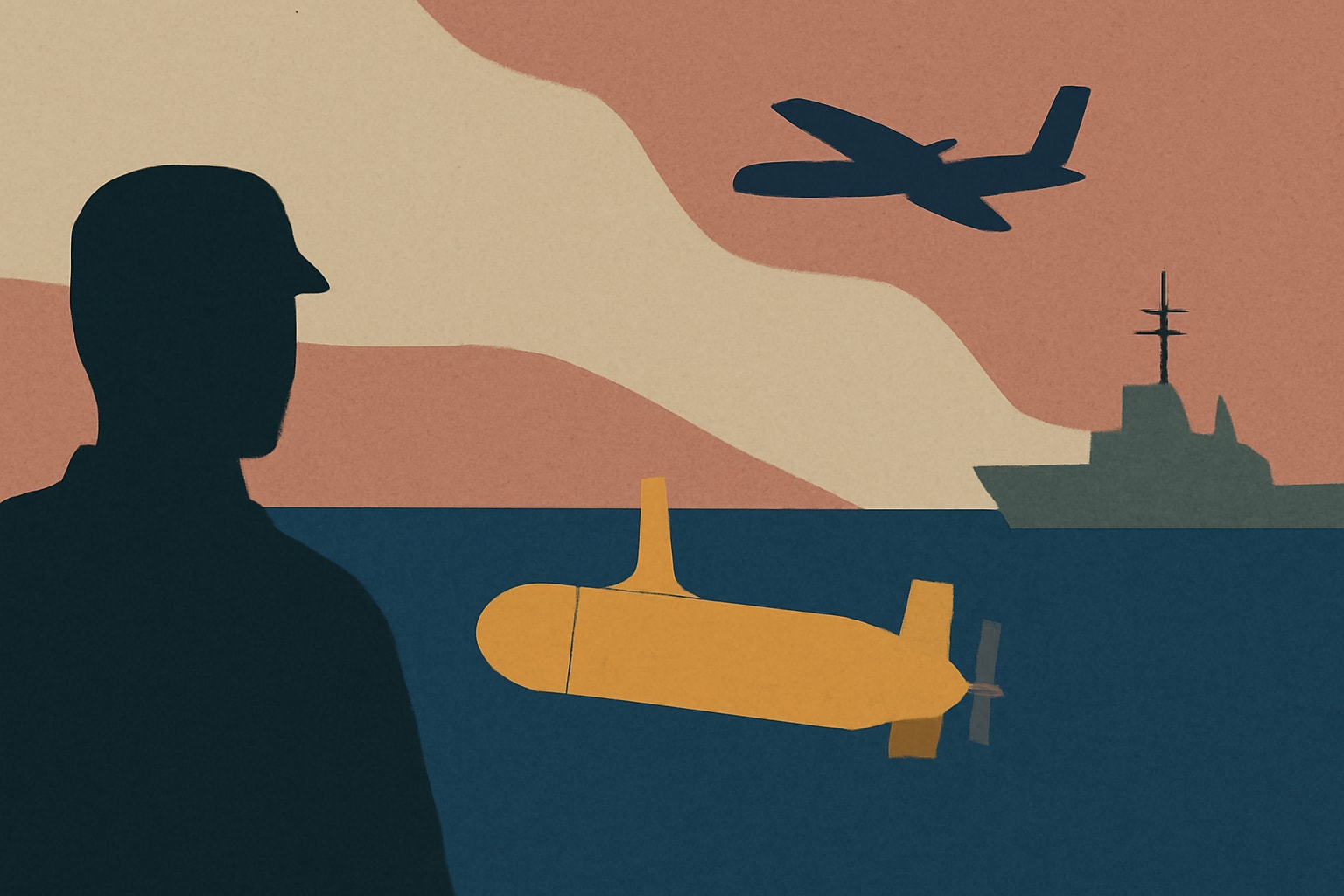
Iran Claims Capture of US Submarine Drone in Strait of Hormuz
The Pentagon confirmed a US uncrewed submarine drone malfunctioned before Iran's announcement of its capture.
What's Happening
- •Iran announced it captured a US uncrewed submarine drone in the Strait of Hormuz.
- •The Pentagon confirmed the drone had malfunctioned over a day prior to the incident.
- •This event raises significant security concerns in a strategically vital maritime region.
Why It Matters
The capture of a US submarine drone by Iran highlights the ongoing security challenges faced by US forces in the region. For military personnel and their families, this incident serves as a reminder of the risks involved in overseas deployments and the importance of staying informed about geopolitical developments.
What Changes Now
- •US naval operations in the Strait of Hormuz may see increased scrutiny and changes in protocols. Personnel involved in maritime operations should prepare for potential shifts in mission parameters and enhanced security measures.
- •The incident may lead to a review of the technology used in uncrewed systems. Service members involved in drone operations should stay updated on any changes to equipment or operational guidelines.
- •Families of service members may experience heightened concerns about safety and operational tempo. It is essential for military families to engage with support networks for updates and resources.
What to Watch
- •Monitor official Pentagon announcements regarding operational adjustments in the region. These updates will clarify how US forces are adapting to the current situation.
- •Watch for any statements from Iranian officials regarding their intentions with the captured drone. This could signal further escalations or attempts at diplomatic engagement.
- •Keep an eye on upcoming military briefings that may address the implications of this incident for US strategy in the Middle East.
Get the Daily Briefing
Military and veteran news that actually affects you, in your inbox each morning.
More Context
- •Details of the Incident: On September 8, 2026, Iranian officials reported the capture of a US uncrewed submarine drone in the Strait of Hormuz. The Pentagon acknowledged that the drone had experienced a malfunction, which led to its capture. This incident highlights ongoing tensions in the region, particularly concerning maritime security and the presence of US military assets.
- •Strategic Implications: The Strait of Hormuz is a critical chokepoint for global oil shipments, making any military activity in the area particularly sensitive. The capture of a US drone could embolden Iran in its regional posture and may provoke a stronger military response from the United States. This situation underscores the importance of vigilance among US naval forces operating in the region.
- •Impact on Service Members: Active-duty personnel, particularly those in naval roles, should be aware of the heightened tensions in the Strait of Hormuz. Service members should stay informed about potential changes in operational protocols and readiness levels as a result of this incident. Additionally, families of service members may experience increased anxiety regarding the safety of their loved ones deployed in the region.
- •What to Monitor Going Forward: Service members should keep an eye on official communications from the Pentagon regarding operational changes in the region. Upcoming military briefings may provide further insights into how the US plans to respond to this incident. Additionally, developments in diplomatic relations between the US and Iran could significantly affect military operations.
Frequently Asked Questions
Does this affect Guard members on Title 10 orders?
Yes, Guard members on Title 10 orders may be impacted by changes in operational readiness and mission assignments in response to increased tensions.
Will my BAH change if I move duty stations mid-year?
Your Basic Allowance for Housing (BAH) may change if you relocate to a different area with a different BAH rate; ensure to update your information through myPay.
Robert's Perspective
It's interesting that the Pentagon would be considering using AI for its polygraphs, especially since polygraphs effectively measure levels of nervousness from the body. Polygraphs cannot actually tell if you're lying — they can just tell if your body is reacting in a certain way. So AI is probably not much of an additive there. But the main point of polygraphs isn't really the machine itself — it's to create fear that a lie can be detected. That fear is what gets people to talk, to second-guess themselves, to slip up. So additional technology that supposedly can find additional lies could actually be beneficial, not because it works better, but because it deepens that fear of the polygraph. The value isn't in the accuracy. It's in the intimidation. That's what the Pentagon is really buying.
— Robert Franklin, founder of Vet The News, U.S. military veteran & defense journalist · written from his emailed notes on this story
The Daily Briefing
Military & veteran news that actually affects you — delivered every morning.
- Pay, benefits & policy changes
- Pentagon decisions that matter
- VA updates for veterans & families
- One email. No spam. Unsubscribe anytime.
Related Stories
- Iran Conflict Redefines Cybersecurity Threat Landscape— Federal News Network
- AFOSI Seeks Enlisted Airmen to Train as Special Agents— Air & Space Forces Magazine
- Kratos Combat Drone Completes First Euro Flight, Enhancing Unmanned Capabilities— Military Times
- B-2 Stealth Bomber Returns to Whiteman AFB After Depot Maintenance— Air & Space Forces Magazine