Iran Launches Missile Attacks on Bahrain and Kuwait Following U.S. Strikes
Iran's missile strikes on Bahrain and Kuwait escalate tensions in the region, impacting U.S. military presence.
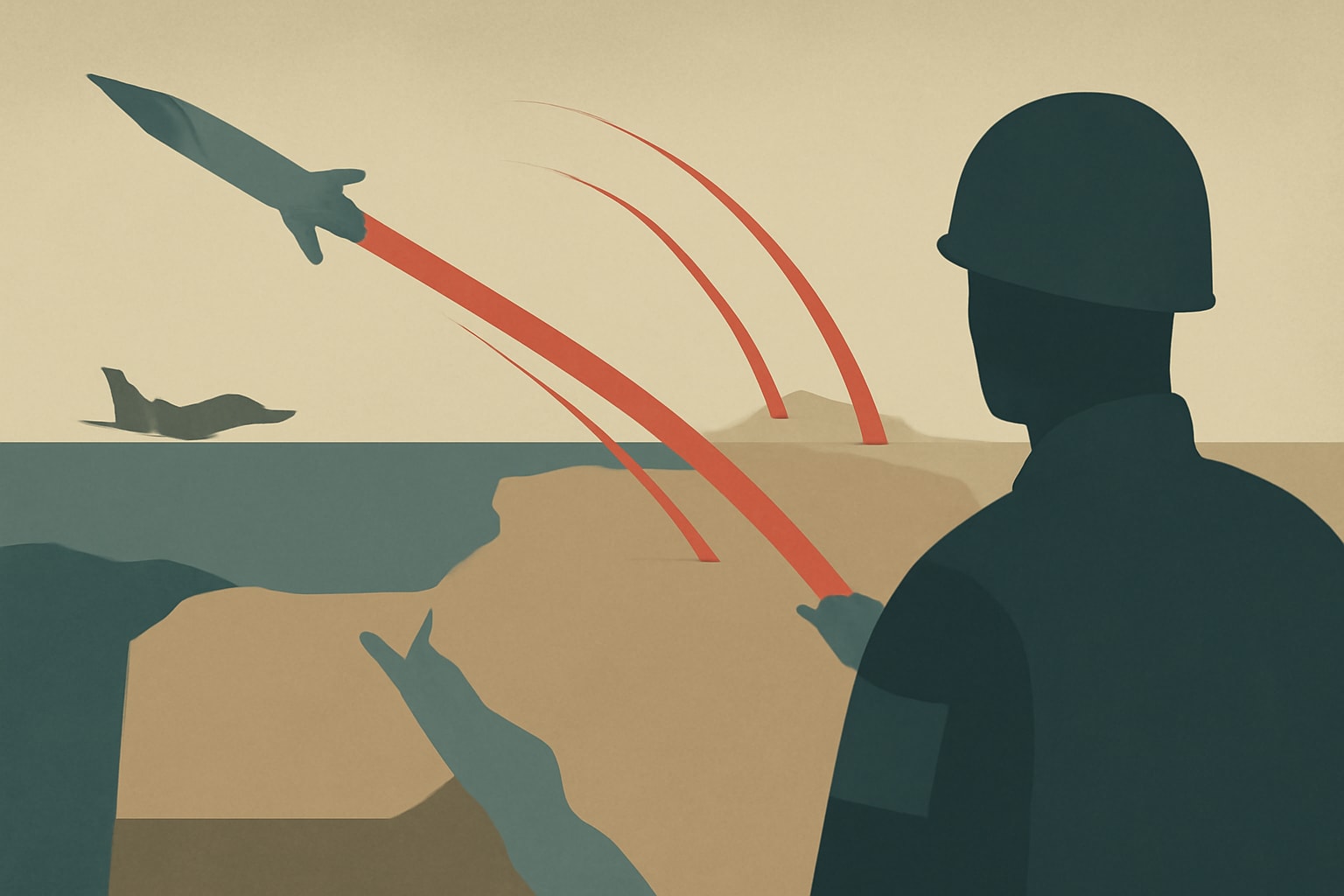
What's Happening
- •Iran has launched missile attacks targeting Bahrain and Kuwait following U.S. military strikes.
- •Kuwait successfully intercepted two ballistic missiles aimed at its territory.
- •These developments threaten ongoing diplomatic talks aimed at resolving regional conflicts.
Why It Matters
The recent missile attacks by Iran present a direct threat to U.S. military personnel stationed in the region, particularly those in Kuwait. With the ongoing conflict and diplomatic negotiations, service members must remain vigilant and informed about their safety and operational readiness.
What Changes Now
- •Increased security measures are being implemented at U.S. military installations in Kuwait. This includes heightened alert status and potential changes in access protocols for personnel and families.
- •Service members may experience changes in their deployment orders or operational assignments due to the escalating situation. Commanders will assess the risk and adjust plans accordingly to ensure personnel safety.
- •Families of deployed service members should prepare for potential communication disruptions. It is essential to establish alternative communication methods and stay connected with unit representatives.
What to Watch
- •Monitor updates from U.S. Central Command regarding operational changes. Decisions on troop movements and readiness levels will be communicated through official channels.
- •Watch for announcements regarding diplomatic negotiations between the U.S. and Iran. The outcomes of these talks could significantly impact military operations in the region.
- •Keep an eye on regional news sources for developments related to missile defense capabilities in Kuwait. Enhancements in these systems may influence the safety of U.S. forces.
Get the Daily Briefing
Military and veteran news that actually affects you, in your inbox each morning.
More Context
- •Overview of Recent Attacks: On June 28, 2026, Iran escalated tensions in the Middle East by launching missile attacks against Bahrain and Kuwait. The strikes were a direct response to recent U.S. military actions in the region, which Iran perceives as aggressive. Kuwait's military reported successfully intercepting two ballistic missiles, preventing potential damage and casualties. This incident underscores the fragility of the security situation in the Gulf, where U.S. forces are heavily involved in regional stability efforts.
- •Implications for U.S. Forces: The missile attacks have significant implications for U.S. military personnel stationed in the region, particularly those based in Kuwait. Active duty service members, especially those in combat arms MOSs, may face increased operational risks and heightened security measures. The U.S. Army base in Kuwait plays a crucial role in supporting operations across the Middle East, and any escalation in hostilities could lead to a reevaluation of troop deployments and readiness levels.
- •What Service Members Should Know: Service members and their families should stay informed about the evolving situation in the Middle East. It is advisable to monitor official communication channels for updates regarding safety protocols and potential changes in deployment status. Additionally, service members should ensure that their emergency contact information is up to date and familiarize themselves with local resources available for support during heightened tensions.
Frequently Asked Questions
Does this affect Guard members on Title 10 orders?
Yes, Guard members on Title 10 orders may face increased operational demands and should stay informed about potential changes in mission requirements.
Will my BAH change if I move duty stations mid-year?
Your Basic Allowance for Housing (BAH) may be affected by a change in duty station, and you should consult your finance office for specific guidance.
Veteran Take
For those who've served, the escalation of tensions in the region is a stark reminder of the precarious nature of military deployments. Veterans understand the weight of being stationed in volatile areas and the constant need for vigilance. As we watch these developments unfold, it's crucial for active-duty personnel to stay informed and prepared, knowing that their safety and mission readiness can be affected by decisions made far from their posts.
The Daily Briefing
Military & veteran news that actually affects you — delivered every morning.
- Pay, benefits & policy changes
- Pentagon decisions that matter
- VA updates for veterans & families
- One email. No spam. Unsubscribe anytime.
Related Stories
- Nominees Commit to Veterans During Appeals Hearing— Navy Times
- Nominees Commit to Veterans During Key Appeals Hearing— Military Times
- Air Force Final Review Confirms M18 Pistols Are Safe and Reliable— Task & Purpose
- NSA Bahrain's Degradation Signals Risks for U.S. Military Operations— Marine Corps Times