Iran and US Target Tankers in Escalating Maritime Conflict
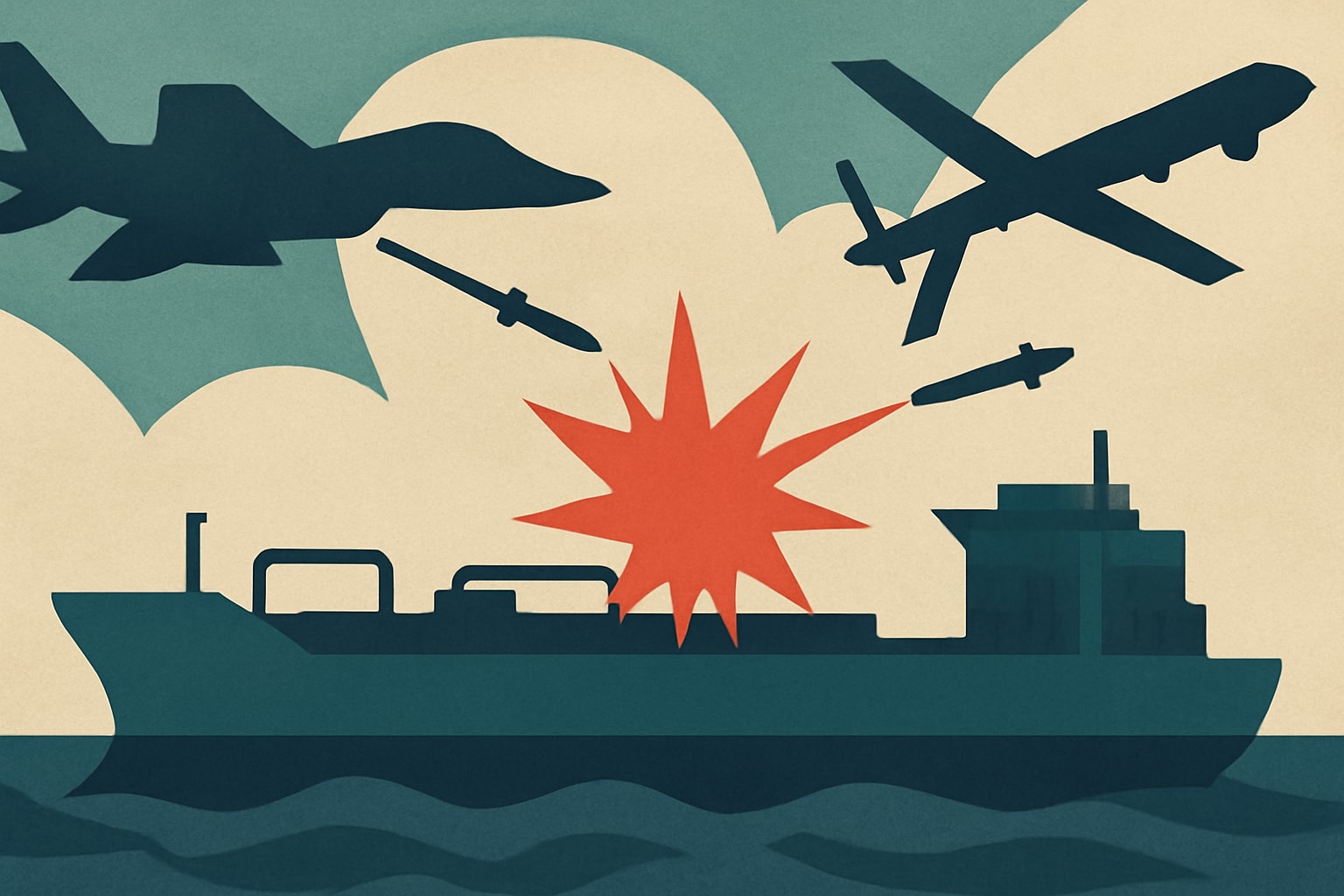
Recent attacks by the U.S. and Iran mark a significant escalation in maritime tensions, impacting military and shipping operations.
What's Happening
- •The U.S. and Iran have launched attacks on tankers and military assets.
- •This marks the most significant wave of maritime attacks since hostilities began.
- •Shipping and energy sectors are experiencing heightened risks due to these actions.
Why It Matters
The recent attacks underscore the ongoing volatility in maritime security, which directly affects service members and veterans involved in logistics and military operations. Understanding these developments is crucial for those in the military community as they navigate potential changes in deployment and operational readiness.
What Changes Now
- •Military readiness protocols are being reviewed in light of these attacks. This means that units may be placed on heightened alert status to respond to potential threats.
- •Shipping routes may be adjusted to avoid conflict zones, impacting logistics operations. Personnel involved in transportation and supply chains should stay informed about these changes to ensure operational continuity.
- •Increased security measures may be implemented for military and commercial vessels in the region. This could involve additional naval escorts or surveillance, affecting deployment schedules.
What to Watch
- •Monitor announcements from the Department of Defense regarding operational changes. These updates will provide clarity on how military readiness is being adjusted in response to the attacks.
- •Watch for changes in shipping routes from major logistics companies. This information will be crucial for those in the supply chain to adapt to new operational realities.
- •Keep an eye on international diplomatic efforts aimed at de-escalating tensions. The outcomes of these discussions could significantly impact military and civilian operations in the region.
Get the Daily Briefing
Military and veteran news that actually affects you, in your inbox each morning.
More Context
- •Overview of Recent Attacks: In a surprising turn of events, both the U.S. and Iran have resumed hostilities against shipping and military targets, breaking a month-long period of relative calm. The attacks have primarily focused on tankers, which are vital for energy transport, leading to increased tensions in the region and raising concerns about global oil supply security.
- •Impact on Military Operations: The resurgence of attacks has immediate implications for military operations in the region. Active duty personnel, particularly those in naval operations such as Surface Warfare Officers (SWOs) and logistics specialists, may face increased deployment risks and operational challenges as tensions escalate. This situation necessitates heightened readiness and vigilance among service members stationed in or near affected areas.
- •Repercussions for Shipping and Energy Sectors: Shipping companies and energy providers are now grappling with the fallout from these attacks. Maritime operations may be disrupted, leading to potential delays and increased costs. Service members and veterans working in logistics or energy sectors should prepare for possible changes in operations and supply chain management as these geopolitical tensions unfold.
- •Future Developments to Monitor: As the situation evolves, service members and veterans should keep an eye on upcoming military briefings and government announcements regarding maritime security. The Department of Defense is likely to issue guidance on operational changes and readiness levels in response to the heightened threat environment. Additionally, shipping companies may alter routes or security protocols, which could impact civilian and military logistics.
Frequently Asked Questions
Does this affect Guard members on Title 10 orders?
Yes, Guard members on Title 10 orders may be affected by increased operational readiness and potential deployment changes due to the escalating tensions.
Will my BAH change if I move duty stations mid-year?
Your Basic Allowance for Housing (BAH) may change if you move to a new duty station, as BAH rates vary by location and are adjusted annually.
The Daily Briefing
Military & veteran news that actually affects you — delivered every morning.
- Pay, benefits & policy changes
- Pentagon decisions that matter
- VA updates for veterans & families
- One email. No spam. Unsubscribe anytime.
Related Stories
- Navy SEALs Influence on The Terminal List Season 2— Military.com
- Pentagon Bans Troops from Using Insider Information for Betting— Task & Purpose
- Russia Releases Retired American Teacher Jailed on Mercenary Charges— Military.com
- Pentagon and BAE Sign Deal for Up to 25,000 Precision-Guided Munition Kits Annually— Military Times