Warhound Aims to Revolutionize Military Working Dogs with Genetic Engineering
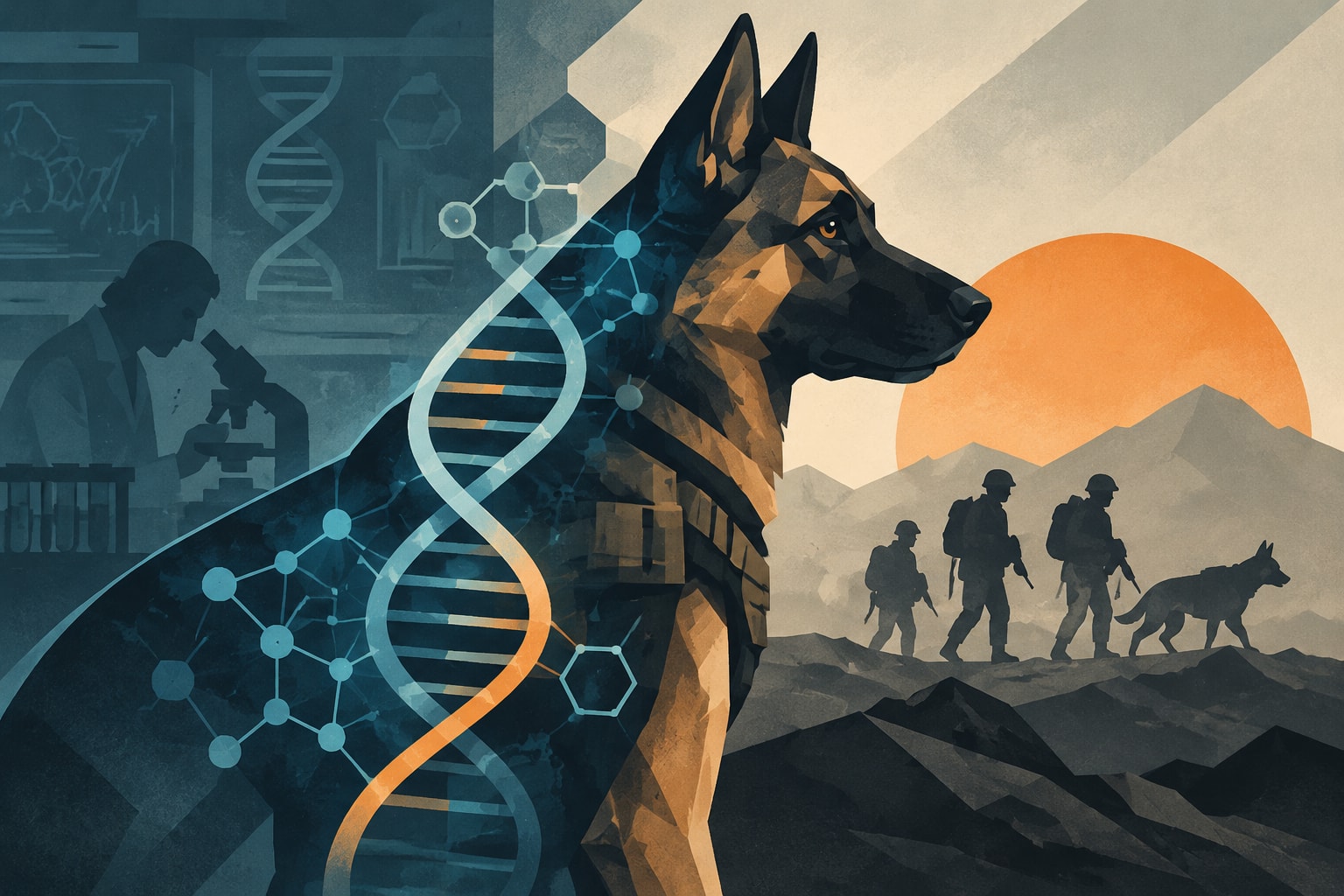
The company plans to clone top-performing dogs and introduce standardized training to improve military working dogs.
What's Happening
- •Warhound plans to clone top-performing military working dogs to enhance capabilities.
- •The company will edit genes associated with health issues to improve dog longevity.
- •Standardized training will be introduced for puppies as young as two weeks old.
Why It Matters
The advancements in military working dogs directly impact operational readiness and effectiveness. Enhanced training and healthier dogs could lead to improved mission success rates, which is crucial for active-duty personnel and their support teams.
What Changes Now
- •Warhound's cloning initiative will begin in the upcoming months. This change means that military units can expect access to genetically superior dogs in the near future.
- •The introduction of genetic editing will start with the next generation of military working dogs. This will help mitigate health issues that currently shorten the service life of these animals.
- •Standardized training protocols will be implemented for puppies starting at two weeks old. This early training is expected to enhance the adaptability and performance of military dogs in various roles.
What to Watch
- •The timeline for the rollout of cloning technology is expected to be announced in the next quarter. This will provide clarity on when units can expect new dogs with enhanced capabilities.
- •Updates on genetic editing trials will be released in the coming months. Stakeholders will be keen to see how these changes affect the health and longevity of military working dogs.
- •The development of standardized training protocols will be monitored closely. Feedback from military handlers will be critical in refining these training methods.
Get the Daily Briefing
Military and veteran news that actually affects you, in your inbox each morning.
More Context
- •Cloning for Enhanced Performance: Warhound's initiative to clone top-performing military working dogs aims to ensure that the best traits are passed on to future generations. This approach could significantly improve the effectiveness of military operations, as these dogs are often critical in roles such as detection, search and rescue, and combat support.
- •Genetic Editing for Health Improvements: The genetic editing aspect of Warhound's plan focuses on addressing common health problems that affect military working dogs. By altering specific genes, the company hopes to create dogs that not only perform better but also have longer, healthier lives, reducing the need for frequent replacements and ensuring a more reliable working force.
- •Standardized Training Protocols: Introducing standardized training for puppies as early as two weeks old represents a shift in how military working dogs are prepared for service. This early intervention could lead to better-trained dogs that are more adaptable and effective in various military scenarios, benefiting handlers and units alike.
Frequently Asked Questions
Will cloned dogs be available for all military units?
Initially, cloned dogs may be limited to specific units that require high-performance canines, such as military police and special operations.
How will genetic editing affect the training of military dogs?
Genetic editing aims to enhance health and performance, which could lead to more efficient training processes and better overall results in the field.
The Daily Briefing
Military & veteran news that actually affects you — delivered every morning.
- Pay, benefits & policy changes
- Pentagon decisions that matter
- VA updates for veterans & families
- One email. No spam. Unsubscribe anytime.
Related Stories
- U.S. Soldier Arrested in England for Alleged Ties to Russia— Military.com
- US Charges Three Men With Plotting Terror Attacks, Including Assault on UK Air Base— Military.com
- US Military Orders 48-Hour Pause on Okinawa Operations After Marine Arrest— Army Times
- USS Abraham Lincoln Strike Group Begins Homecoming After Deployment— Navy Times