Warhound Aims to Engineer a Better Military Working Dog
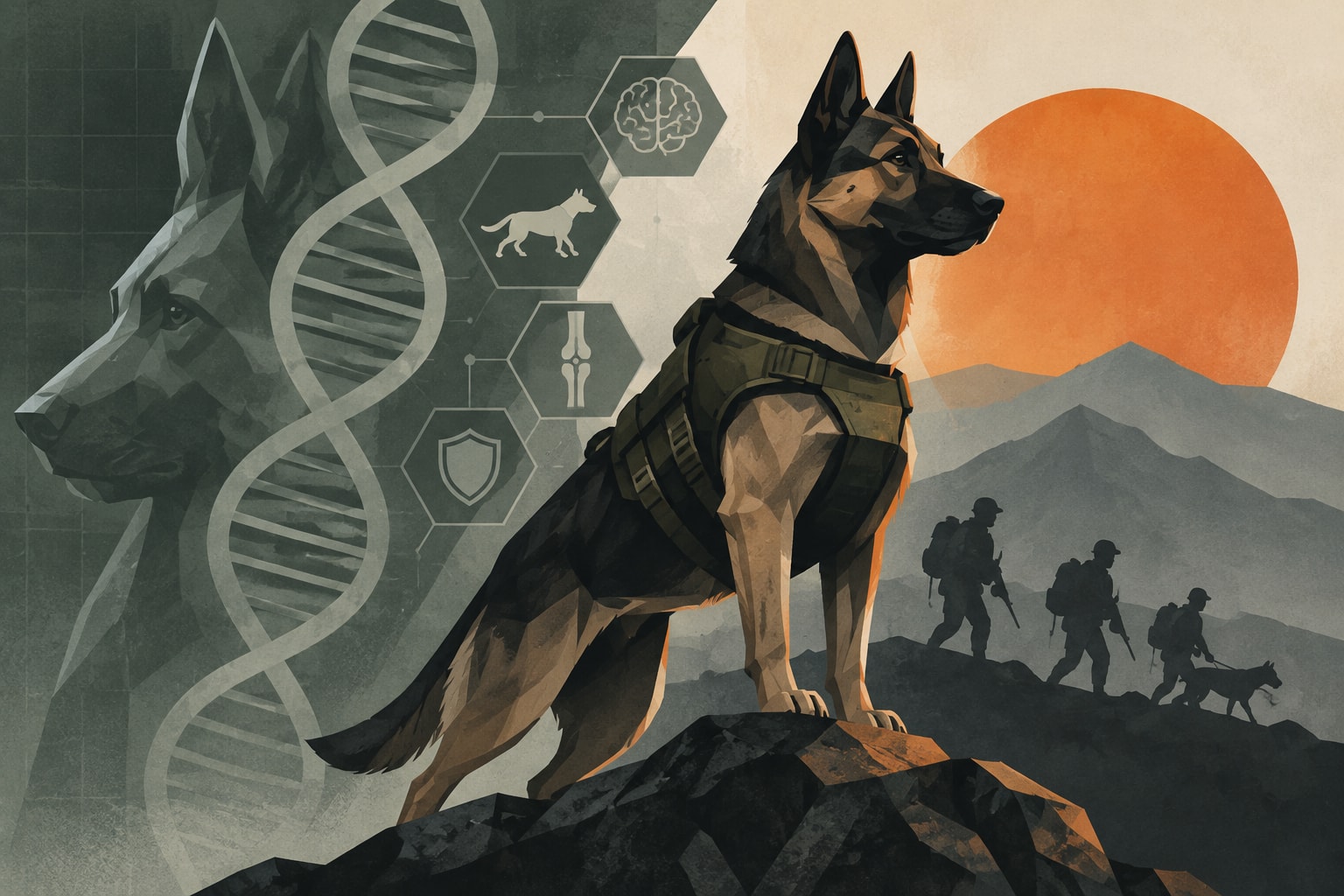
The company plans to clone top-performing dogs and enhance their health through genetic editing.
What's Happening
- •Warhound plans to clone top-performing military working dogs.
- •The company will edit genes associated with health problems in dogs.
- •Standardized training will be introduced for puppies as young as two weeks old.
Why It Matters
The military relies heavily on working dogs for various operations, including detection, protection, and support roles. By improving the breeding and training of these dogs, the military can enhance their effectiveness and operational readiness, ultimately benefiting service members on the ground.
What Changes Now
- •Warhound's cloning initiative will begin immediately, focusing on top-performing dogs. This means that military units could soon benefit from genetically superior canines trained for specific tasks.
- •Genetic editing practices will be implemented to address health issues in military working dogs. This change is significant as it may lead to fewer health-related retirements and a more robust canine force.
- •Standardized training protocols for puppies will start at two weeks old, ensuring a consistent foundation for all military working dogs. This early training could lead to faster acclimatization to military environments.
What to Watch
- •The timeline for the rollout of cloning and genetic editing practices is expected to be announced in early 2027. This will provide clarity on how quickly these advancements will be integrated into military operations.
- •Watch for updates on the effectiveness of standardized training protocols as they are implemented. The military will likely assess the impact of these changes on working dog performance in the field.
- •Future collaborations between Warhound and military veterinary services will be crucial. Decisions made in these partnerships could shape the future of military working dog programs.
Get the Daily Briefing
Military and veteran news that actually affects you, in your inbox each morning.
More Context
- •Cloning Top-Performing Dogs: Warhound is embarking on an ambitious project to clone the best military working dogs. This initiative aims to replicate the traits that make these dogs exceptional in various military roles, from detection to protection. By cloning these top performers, the military hopes to maintain a consistent quality of service dogs that can handle the rigors of military operations.
- •Genetic Editing for Health Improvements: In addition to cloning, Warhound plans to utilize genetic editing to address health issues commonly found in military working dogs. This could lead to longer, healthier service lives for these animals, reducing the need for replacements and ensuring that the military has a reliable canine workforce. By focusing on health, the military can enhance operational readiness and effectiveness in the field.
- •Standardized Training Protocols: Warhound's approach also includes introducing standardized training protocols for puppies as young as two weeks old. This early intervention could foster better learning and adaptability in military environments. By establishing consistent training methods, the military can ensure that all working dogs meet the same high standards, regardless of their lineage.
- •Implications for Military Operations: The advancements in military working dog breeding and training could significantly impact military operations. Enhanced dogs with better health and training may improve mission success rates in various scenarios, from search and rescue to combat support. As these changes are implemented, military leaders will need to adapt their strategies to fully leverage the capabilities of these improved canines.
Frequently Asked Questions
How will cloning affect the current military working dog program?
Cloning is expected to enhance the quality of military working dogs by replicating traits of top performers, potentially improving mission outcomes.
Will genetic editing lead to healthier dogs?
Yes, genetic editing aims to reduce health problems in military working dogs, which could extend their service life and effectiveness.
What age will puppies start training under the new protocols?
Puppies will begin standardized training as early as two weeks old, allowing for better preparation for military roles.
The Daily Briefing
Military & veteran news that actually affects you — delivered every morning.
- Pay, benefits & policy changes
- Pentagon decisions that matter
- VA updates for veterans & families
- One email. No spam. Unsubscribe anytime.
Related Stories
- U.S. Soldier Arrested in England for Alleged Ties to Russia— Military.com
- US Charges Three Men With Plotting Terror Attacks, Including Assault on UK Air Base— Military.com
- Voting by Absentee Ballot? It’s Time to Take Action— Marine Corps Times
- France to Start Training Ukrainian Pilots on Rafale Warplanes in November— Defense News