Warhound's Innovative Approach to Enhance Military Working Dogs
The company aims to clone elite military dogs and improve their health through genetic editing and early training.
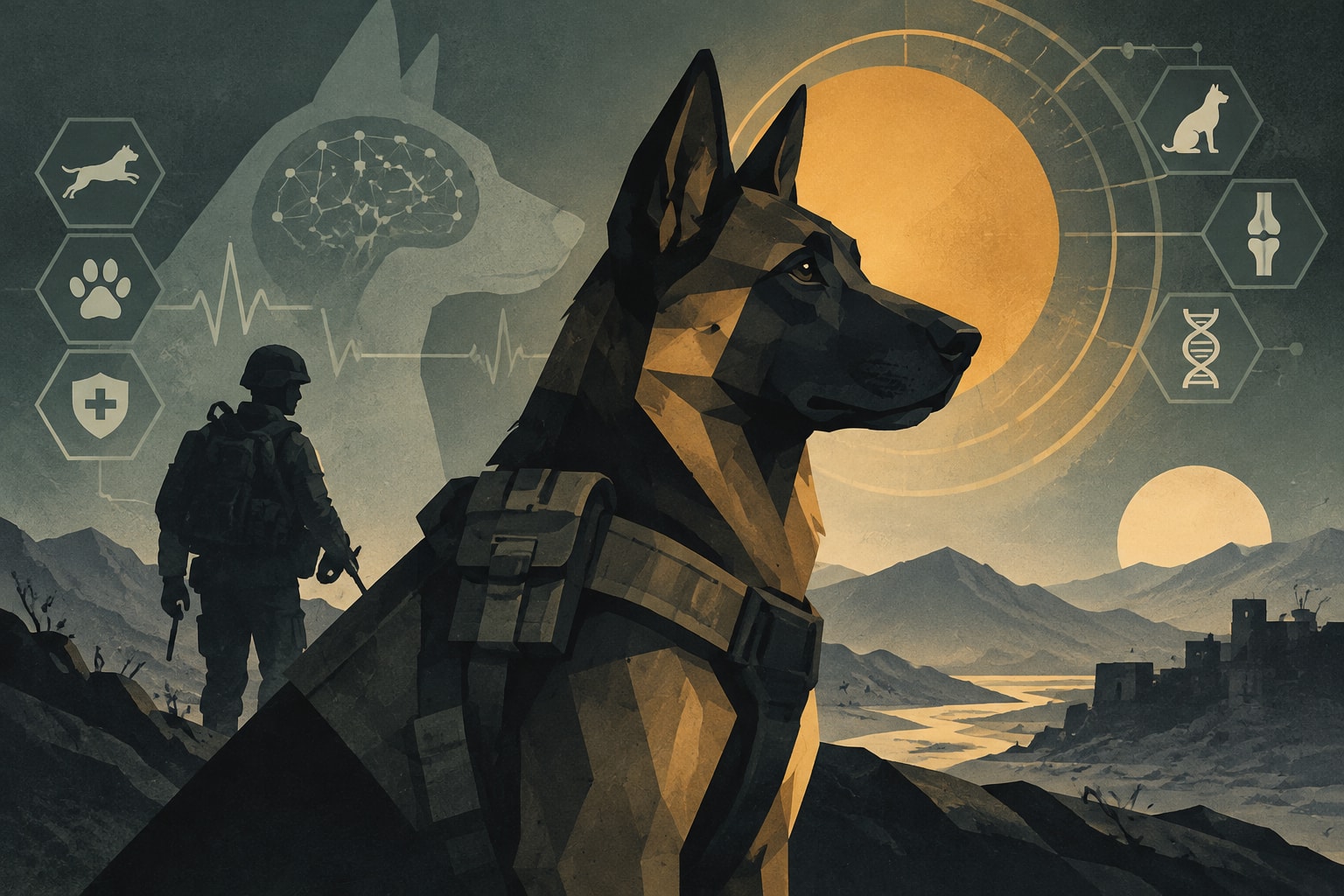
What's Happening
- •Warhound is developing a plan to clone top-performing military working dogs.
- •The company intends to edit genes linked to health issues in dogs.
- •Standardized training will begin for puppies as early as two weeks old.
Why It Matters
The military relies heavily on working dogs for various critical tasks, including detection and security. Innovations in breeding and training could enhance the effectiveness of these dogs, directly impacting mission success rates and the safety of service members.
What Changes Now
- •Warhound's cloning initiative will begin with the selection of top-performing dogs. This selection process will ensure that only the best genetics are used for future military working dogs.
- •Genetic editing will focus on health issues prevalent in military breeds. This will likely lead to healthier dogs that can perform their duties longer without medical interruptions.
- •Standardized training protocols will be developed for puppies as young as two weeks old. This early training could set a new standard for how military working dogs are prepared for their roles.
What to Watch
- •Watch for the announcement of specific breeds targeted for cloning. This will provide insight into which dogs the military values most for their operational capabilities.
- •Keep an eye on the timeline for the rollout of genetic editing technologies. The success of these initiatives will depend on regulatory approvals and ethical considerations.
- •Monitor updates on the standardized training program's implementation. Early results could influence how quickly these dogs are integrated into military operations.
Get the Daily Briefing
Military and veteran news that actually affects you, in your inbox each morning.
More Context
- •Cloning Elite Military Dogs: Warhound's initiative to clone top-performing military working dogs aims to enhance the effectiveness of these canines in various military roles. By replicating the genetics of successful dogs, the military could ensure a steady supply of highly capable working dogs, which are essential for tasks such as detection, search and rescue, and security operations. This could lead to improved operational effectiveness and reduce the time needed to train new dogs from scratch.
- •Genetic Editing for Health Improvements: The plan includes editing genes associated with common health problems found in military working dogs. By addressing these genetic issues, Warhound hopes to increase the lifespan and overall health of these animals, which is crucial for their performance in demanding environments. Healthier dogs can lead to reduced veterinary costs and a lower turnover rate, allowing military units to maintain a consistent level of operational readiness.
- •Standardized Training from an Early Age: Warhound's approach also emphasizes standardized training for puppies starting at just two weeks old. This early intervention could establish foundational skills and behaviors that are critical for military tasks. By implementing a uniform training protocol, the military can ensure that all dogs receive a consistent level of training, potentially leading to better performance and adaptability in the field.
- •Implications for Military Operations: The advancements in military working dog technology could have significant implications for military operations. Enhanced dogs could improve the efficiency of missions that rely on canine support, such as bomb detection or tracking. As these technologies develop, military planners will need to consider how best to integrate these dogs into existing and future operations.
Frequently Asked Questions
How will cloning affect the current military working dog program?
Cloning is expected to enhance the quality and consistency of military working dogs, potentially leading to improved mission outcomes.
What breeds are likely to be cloned for military use?
While specific breeds have not been announced, the focus will likely be on those currently used in military operations, such as Belgian Malinois and German Shepherds.
When will the new training protocols be implemented?
The new training protocols are expected to begin as soon as the puppies are available, with a timeline yet to be confirmed.
The Daily Briefing
Military & veteran news that actually affects you — delivered every morning.
- Pay, benefits & policy changes
- Pentagon decisions that matter
- VA updates for veterans & families
- One email. No spam. Unsubscribe anytime.
Related Stories
- U.S. Soldier Arrested in England for Alleged Ties to Russia— Military.com
- US Charges Three Men With Plotting Terror Attacks, Including Assault on UK Air Base— Military.com
- China's Military Training Site in Laos Raises Concerns for U.S. Forces— Military Times
- US Military Orders 48-Hour Pause on Okinawa Operations After Marine Arrest— Army Times