Inside the Navy SEALs: Their Missions and Historical Impact
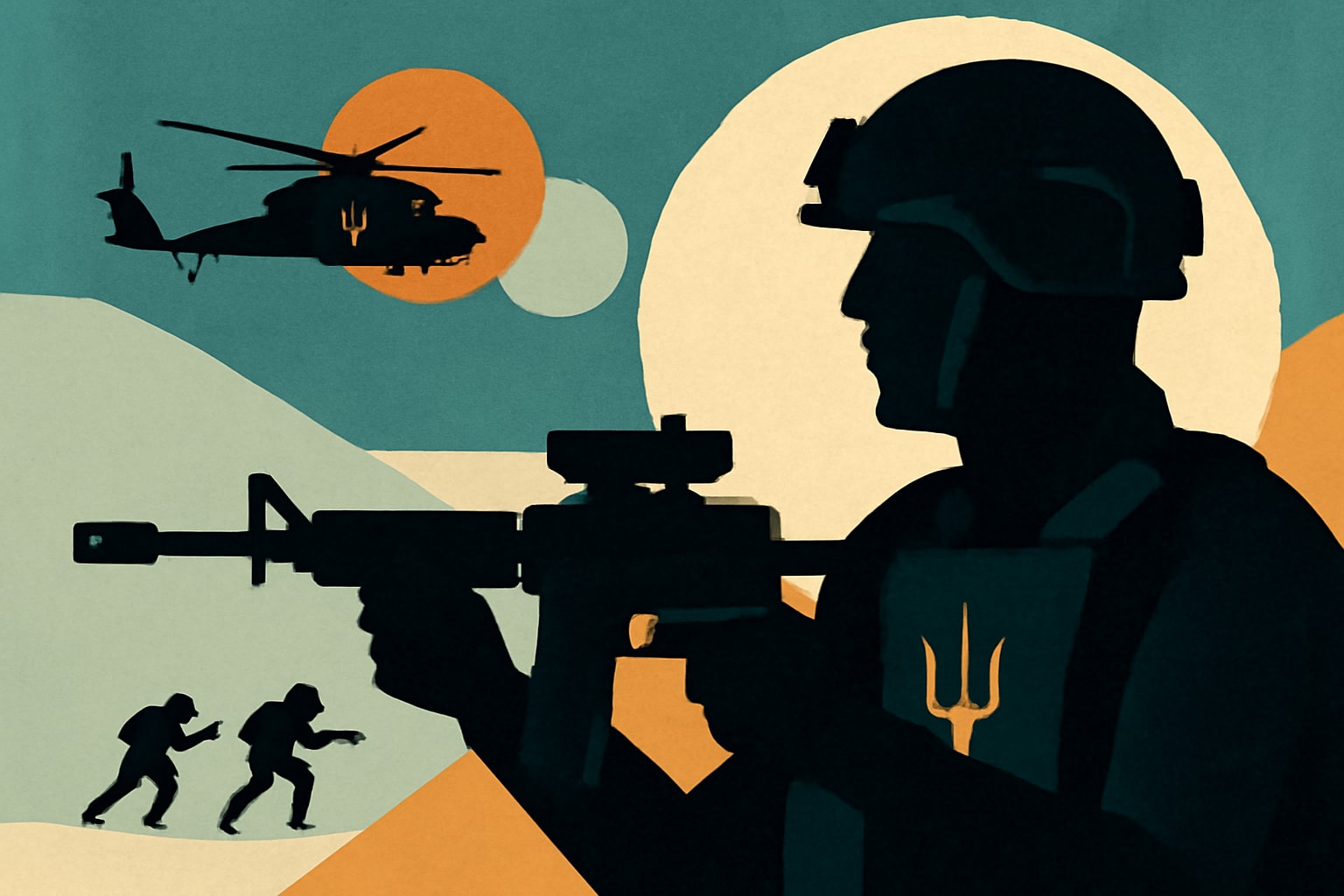
Navy SEALs have played a crucial role in U.S. military operations, from rescue missions to significant historical events.
What's Happening
- •Navy SEALs are involved in various high-stakes missions, including counter-terrorism and hostage rescues.
- •The history of Navy SEALs includes significant operations like the raid on Osama bin Laden's compound.
- •Their training regimen is among the most rigorous in the military, preparing them for diverse combat scenarios.
Why It Matters
Understanding the role and history of Navy SEALs is crucial for military personnel and veterans, as it highlights the capabilities and sacrifices of elite forces. For those serving or considering service, the SEALs represent a path of extraordinary commitment and skill, reflecting the broader mission of the U.S. military in safeguarding national security.
What Changes Now
- •The Navy is continuously updating its selection criteria for SEAL candidates. This change aims to ensure that only the most qualified individuals are selected for the demanding training process.
- •Increased funding for special operations forces may lead to more advanced training programs. This will enhance the capabilities of Navy SEALs and improve their readiness for future missions.
- •The ongoing focus on counter-terrorism operations means that SEALs will likely see more deployment opportunities. This shift emphasizes the importance of their role in current military strategy.
What to Watch
- •Upcoming changes to the SEAL training curriculum are expected to be announced next quarter. These updates will reflect the evolving nature of warfare and operational demands.
- •The Navy's budget proposal for the next fiscal year will likely include increased funding for special operations. This decision will be made by Congress and could impact future SEAL operations and training.
- •The results of recent SEAL operations will be assessed in upcoming military reviews. These evaluations will determine the effectiveness of current strategies and inform future missions.
Get the Daily Briefing
Military and veteran news that actually affects you, in your inbox each morning.
More Context
- •The Role of Navy SEALs in Modern Warfare: Navy SEALs, or Sea, Air, and Land teams, are elite special operations forces of the U.S. Navy. They are tasked with a variety of missions, including direct action, special reconnaissance, and counter-terrorism. Their unique training allows them to operate in diverse environments, making them a critical asset in modern military operations. The SEALs are often called upon for high-risk missions that require precision and stealth, such as the successful operation to eliminate Osama bin Laden in 2011, highlighting their strategic importance.
- •Training and Selection Process: Becoming a Navy SEAL is a grueling process that begins with Basic Underwater Demolition/SEAL (BUD/S) training. Candidates undergo intense physical and mental challenges designed to weed out those who cannot meet the demands of the job. This training includes long-distance swims, obstacle courses, and survival training, all aimed at preparing them for the unpredictable nature of their missions. Only a small percentage of candidates successfully complete this training, underscoring the elite status of the SEALs within the military.
- •Historical Operations and Their Impact: Navy SEALs have been involved in numerous historic operations that have shaped U.S. military strategy. Notable missions include the rescue of Captain Phillips from Somali pirates in 2009 and the capture of high-value targets in Iraq and Afghanistan. These operations not only demonstrate the capabilities of the SEALs but also reflect the evolving nature of warfare, where special operations forces play a pivotal role in achieving U.S. objectives abroad. The success of these missions has solidified the reputation of the SEALs as a formidable force in global security.
Frequently Asked Questions
What are the requirements to become a Navy SEAL?
Candidates must be U.S. citizens, pass a physical screening test, and complete BUD/S training.
How long does SEAL training take?
SEAL training typically lasts about six months, followed by additional specialized training.
What types of missions do Navy SEALs conduct?
Navy SEALs conduct a variety of missions, including direct action, reconnaissance, and counter-terrorism.
The Daily Briefing
Military & veteran news that actually affects you — delivered every morning.
- Pay, benefits & policy changes
- Pentagon decisions that matter
- VA updates for veterans & families
- One email. No spam. Unsubscribe anytime.
Related Stories
- US Army Considers Balloons for Military Operations— Military Times
- US Army Expands Dining Options to Fit Modern Soldier Schedules— Military Times
- Army and Navy Research Labs Collaborate to Tackle Arctic Cold— Military Times
- Army's Manufacturing Rodeo Aims to Identify Supply Chain Weak Links— DefenseScoop