Independent Veteran Candidates in House, Senate Races Fall Short
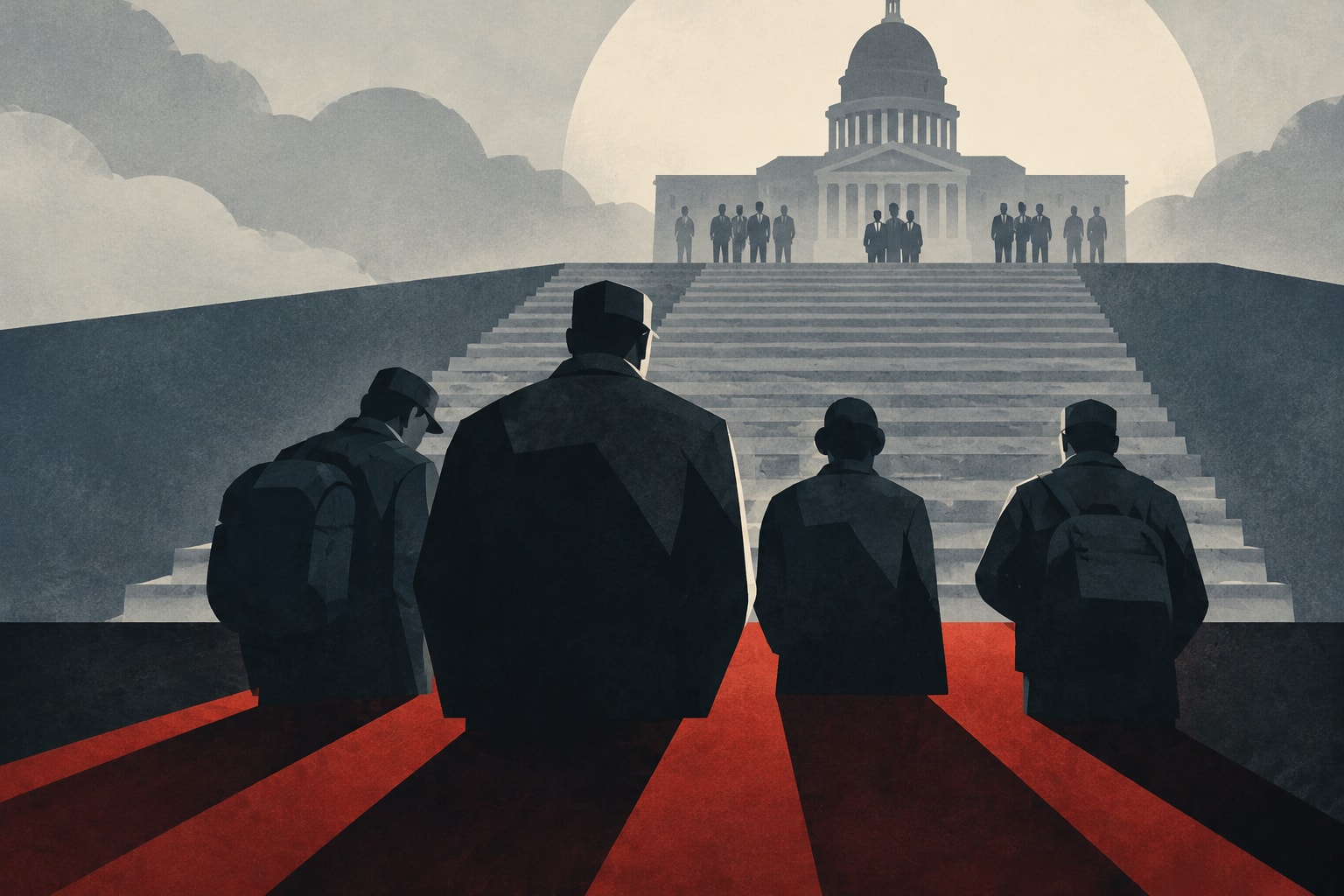
Despite setbacks in recent elections, supporters of independent veteran candidates remain hopeful for future political engagement.
What's Happening
- •Independent veteran candidates in recent elections did not win seats in the House or Senate.
- •Supporters of these candidates claim the results reflect a growing movement for veteran representation.
- •The elections showcased the challenges faced by candidates running outside of traditional party lines.
Why It Matters
The recent elections highlight the ongoing struggle for veteran representation in politics, a critical issue for military and veteran communities. As independent candidates face unique challenges, their efforts may pave the way for future generations of veterans to engage in the political process and advocate for issues affecting their peers.
What Changes Now
- •The recent election results indicate a continued challenge for independent veteran candidates. This highlights the need for increased support and resources for veterans looking to run for office in the future.
- •Support networks for independent candidates are expected to expand. Organizations are likely to implement training and mentorship programs to assist veterans in navigating the political landscape.
- •The visibility gained by independent candidates may inspire more veterans to engage in politics. This could lead to a broader movement advocating for veteran issues at local and national levels.
What to Watch
- •Look for announcements from veteran advocacy organizations about new training programs. These initiatives may roll out in the coming months to support aspiring veteran candidates.
- •Monitor upcoming local elections where independent candidates may emerge. The next election cycle could see a rise in veteran participation as awareness increases.
- •Keep an eye on discussions within veteran communities regarding political engagement. Increased dialogue may lead to more organized efforts to support veteran candidates in future elections.
Get the Daily Briefing
Military and veteran news that actually affects you, in your inbox each morning.
More Context
- •The Election Landscape for Independent Veterans: In the recent elections, several independent candidates with military backgrounds ran for positions in the House and Senate. Despite their efforts, none were successful in securing a seat, highlighting the difficulties faced by candidates who choose to run outside the established political parties. Supporters argue that this is not a defeat but rather a step toward a broader movement for veteran representation in politics. Many believe that the visibility gained during the campaign will encourage more veterans to consider political office in the future.
- •Challenges of Running as an Independent: Candidates who run as independents often encounter significant obstacles, including limited access to funding and media coverage. This was evident in the recent elections, where independent veterans struggled to compete against well-funded party candidates. Additionally, the lack of established party infrastructure can make it difficult for independent candidates to mobilize supporters and resources effectively. Despite these challenges, the experience gained by these candidates may serve as a valuable foundation for future campaigns.
- •The Future of Veteran Political Engagement: Supporters of independent veteran candidates express optimism about the future of veteran political engagement. They believe that the recent elections have sparked interest among veterans who may not have previously considered running for office. Organizations that support veteran candidates are already planning initiatives to encourage more veterans to participate in politics, including training programs and mentorship opportunities. This grassroots movement aims to build a stronger network of veteran candidates who can effectively advocate for military and veteran issues in government.
Frequently Asked Questions
What does it mean for veterans that independent candidates didn't win?
The failure of independent candidates to win seats highlights the challenges veterans face in political representation, but it also indicates a growing interest in veteran issues among the electorate.
Are there programs to help veterans run for office?
Yes, various organizations are developing programs aimed at training and supporting veterans who wish to run for political office, focusing on campaign strategies and advocacy.
The Daily Briefing
Military & veteran news that actually affects you — delivered every morning.
- Pay, benefits & policy changes
- Pentagon decisions that matter
- VA updates for veterans & families
- One email. No spam. Unsubscribe anytime.
Related Stories
- From Marine Corps to Civilian Life: Navigating Job Interviews— Military.com
- Peacock Adds ‘American Sniper,’ ‘Hacksaw Ridge’ and More War Movies Ahead of Veterans Day— Military.com
- Understanding the VA Veteran ID Card: Benefits and Application Process— Military.com
- Understanding the Pros and Cons of Assuming a VA Loan— Military.com