Air Force Special Ops Test Gliders for Troop Resupply in Iceland
Air Force crews are training to use cargo gliders for resupplying troops, enhancing operational efficiency.
What's Happening
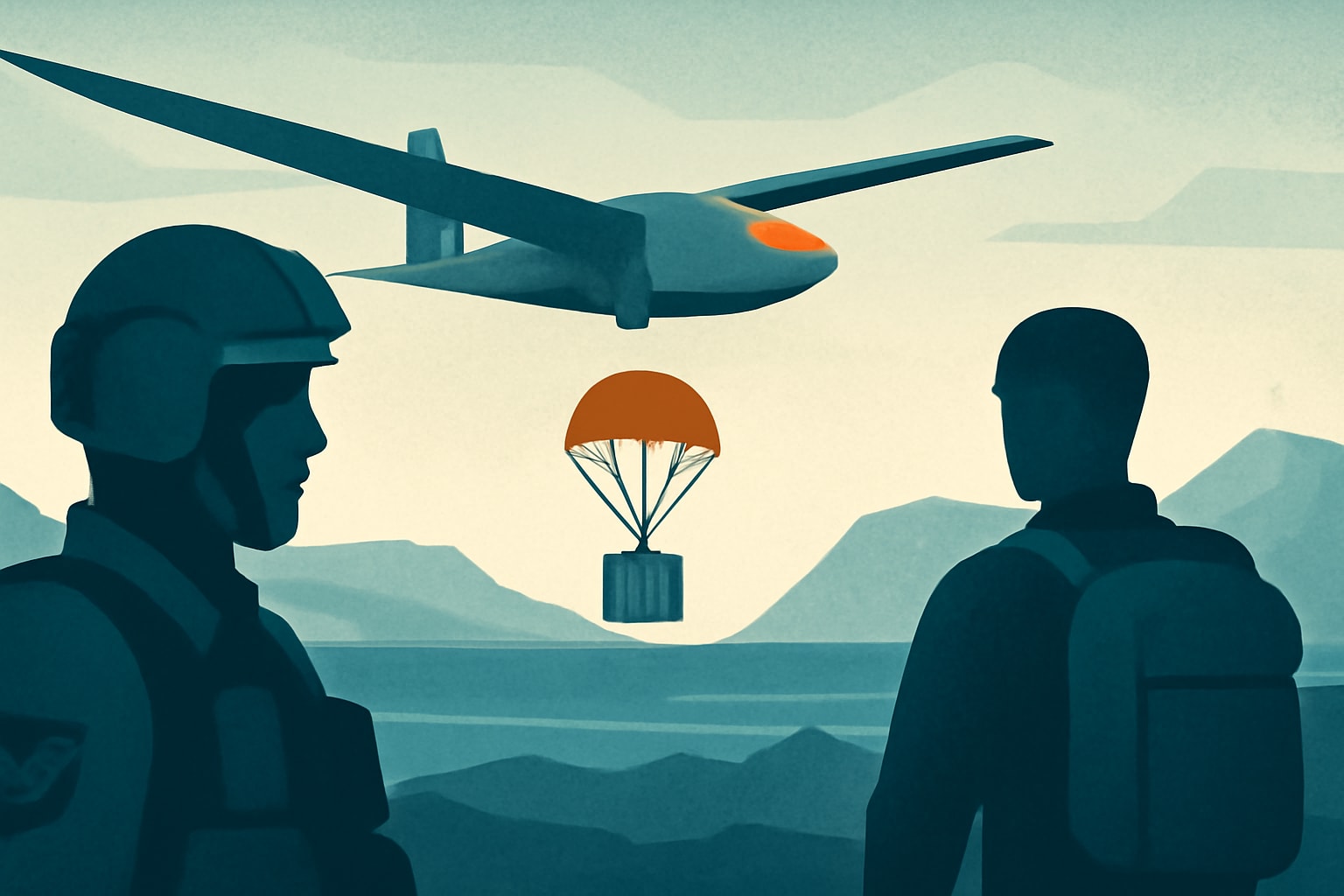
- •Air Force special operations crews are testing cargo gliders for troop resupply in Iceland.
- •These gliders can be dropped from MC-130J cargo planes and navigate to designated locations.
- •The testing aims to improve resupply efficiency and operational capabilities in remote areas.
Why It Matters
The testing of cargo gliders represents a significant advancement in military logistics, particularly for special operations forces. Efficient resupply methods are crucial for maintaining operational effectiveness in remote and hostile environments, directly impacting mission success and troop safety.
What Changes Now
- •The Air Force is implementing glider testing as a new resupply method. This change will require logistics personnel to adapt to new operational procedures and training.
- •Training programs will be updated to include glider operations. Personnel in relevant roles will need to familiarize themselves with the new equipment and tactics.
- •Operational protocols will evolve as the effectiveness of gliders is assessed. This will impact how resupply missions are planned and executed in the future.
What to Watch
- •Results from the ongoing glider tests will be released in the coming months. These results will determine the viability of gliders for regular use in resupply missions.
- •Updates to training programs will be announced following the conclusion of testing. Personnel should stay informed about changes that may affect their roles.
- •Potential integration of glider technology into other branches of the military is being considered. This could broaden the scope of glider use beyond the Air Force.
Get the Daily Briefing
Military and veteran news that actually affects you, in your inbox each morning.
More Context
- •Overview of Cargo Glider Operations: The Air Force is exploring innovative methods to enhance its logistical capabilities, particularly in challenging environments. Cargo gliders, which can be deployed from MC-130J aircraft, are designed to autonomously navigate to specific drop zones after being released. This method allows for rapid resupply of troops on the ground without the need for extensive ground transport, which can be hindered by terrain or enemy activity.
- •Operational Benefits of Glider Resupply: The use of gliders for resupply offers several tactical advantages. First, it reduces the risk to personnel and equipment by minimizing the need for low-flying aircraft in hostile areas. Second, gliders can carry significant payloads, allowing for the transport of essential supplies such as ammunition, food, and medical equipment directly to troops in need. This capability is particularly vital for special operations forces who often operate in isolated or hostile environments.
- •Implications for Active Duty and Reserve Components: Active duty and Reserve Component personnel, particularly those in logistics and operational support roles, will be directly affected by these developments. As the Air Force refines its glider resupply tactics, training programs will likely evolve to incorporate new procedures and technologies. Service members in relevant roles should prepare for potential changes in logistics operations and be ready to adapt to new equipment and methodologies.
- •What This Means for Future Operations: The successful integration of cargo gliders into Air Force operations could reshape how resupply missions are conducted. As testing continues, the Air Force will gather data to assess the effectiveness and reliability of gliders in various scenarios. This could lead to broader adoption of glider technology across different branches of the military, enhancing overall operational readiness and efficiency.
Frequently Asked Questions
How will glider testing affect my logistics role?
Logistics specialists may need to adapt to new procedures and training related to glider operations as they become integrated into resupply missions.
Are there any new training requirements for using gliders?
Yes, training programs will be updated to include glider operations, and personnel will need to complete this training to effectively participate in future missions.
The Daily Briefing
Military & veteran news that actually affects you — delivered every morning.
- Pay, benefits & policy changes
- Pentagon decisions that matter
- VA updates for veterans & families
- One email. No spam. Unsubscribe anytime.
Related Stories
- U.S. Army Returns to Jungle Training with Panamanian Forces— Military Times
- Archbishop Advises Against Catholic Participation in Army Firing Squads— Military Times
- Acting Army Secretary Proposes Amazon-like Drone Marketplace for Procurement— Task & Purpose
- Pentagon and Raytheon Sign $6.3 Billion Deal to Replenish Missile Interceptor Supply— Defense News