Immigration Stress: A Readiness Problem the Pentagon Does Not Measure
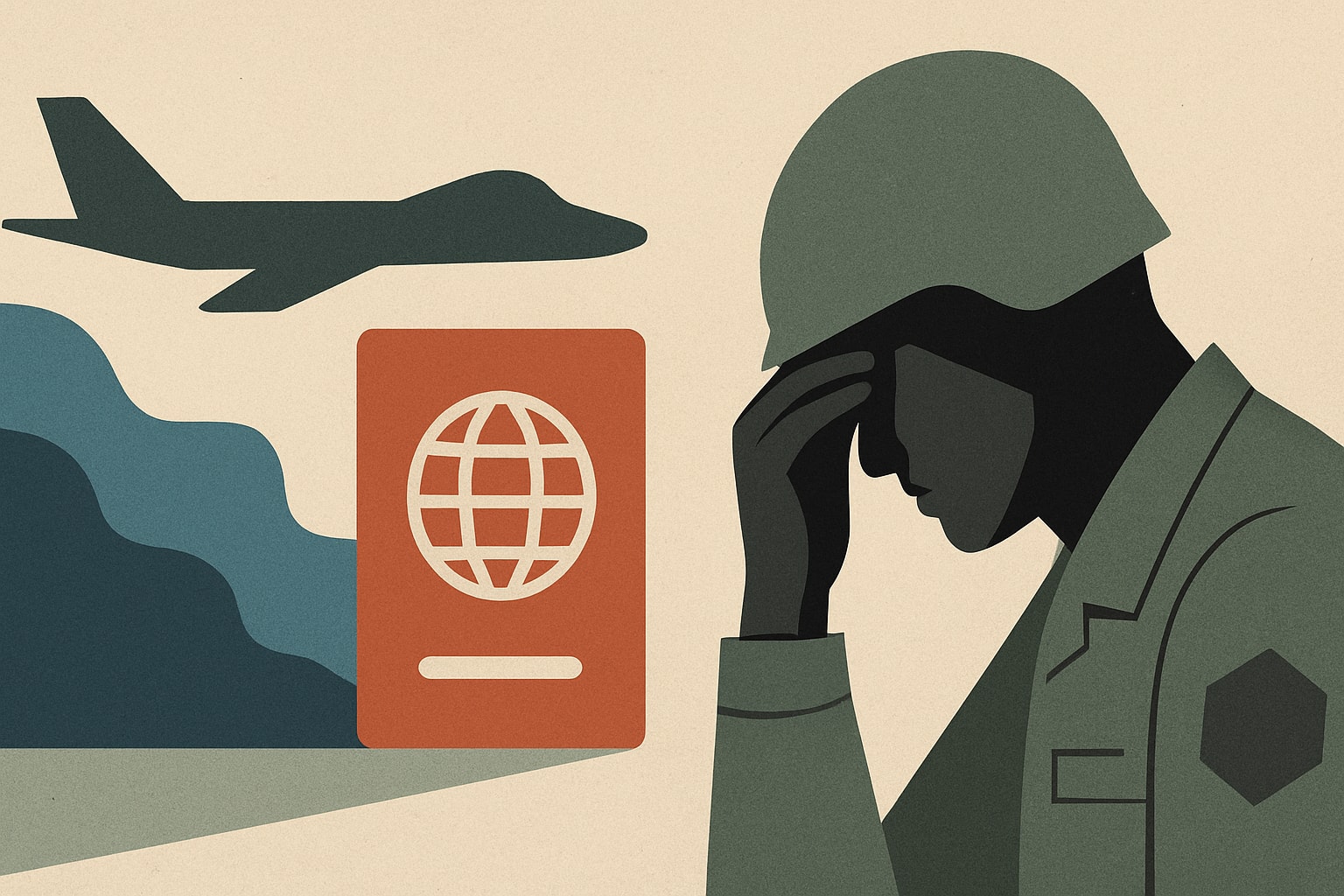
Family deportation fears may undermine military readiness, yet the Pentagon lacks metrics to assess this issue.
What's Happening
- •The Pentagon currently does not track the impact of family deportation fears on troop readiness.
- •Service members are expressing concerns regarding the potential deportation of their family members.
- •This issue affects the mental health and performance of troops, particularly among junior enlisted ranks.
Why It Matters
Understanding the impact of immigration stress on military families is crucial for maintaining troop readiness. The mental well-being of service members directly correlates with their performance, making it essential for the Pentagon to recognize and address these challenges.
What Changes Now
- •Military installations are beginning to offer resources for families dealing with deportation fears. Service members should utilize mental health services and engage in unit discussions to address these issues.
- •Advocacy groups are increasing efforts to push for legislative protections for military families. This could lead to significant changes in how deportation risks are managed for service members' families.
- •The Pentagon may include family deportation stress in future readiness assessments. This could result in new policies aimed at supporting affected service members.
What to Watch
- •The next Pentagon budget review is set for later this year. This review will determine if additional funding will be allocated to family support programs.
- •Upcoming discussions in military leadership forums may address the issue of family deportation fears. The outcomes of these discussions could influence future policy changes.
- •Advocacy efforts for legislative protections for military families are gaining momentum. Key votes in Congress could impact the legal status of military families facing deportation.
Get the Daily Briefing
Military and veteran news that actually affects you, in your inbox each morning.
More Context
- •The Unmeasured Impact of Deportation Fears: Recent discussions highlight a critical gap in the Pentagon's approach to measuring readiness: the impact of family deportation fears. Many service members, especially those in the junior enlisted ranks, are facing heightened anxiety about the potential deportation of their loved ones. This stress can lead to decreased focus and performance on duty, ultimately affecting mission readiness. Despite the significant toll this takes, there are currently no established metrics to quantify this issue, leaving a blind spot in military readiness assessments.
- •Who is Affected?: Active duty E-4 to E-6 service members, particularly those in combat arms roles such as 11B Infantrymen and 68W Army medics, are among the most impacted by these concerns. Many of these troops are balancing the demands of military life with the fear that their families may be targeted for deportation. This situation is exacerbated for service members who are stationed far from their homes, as they may feel isolated and helpless regarding their family's safety. The emotional strain can detract from their ability to perform effectively in high-stakes environments.
- •Practical Changes for Service Members: In response to these concerns, some military installations are beginning to offer resources aimed at supporting affected families. Service members should take advantage of available mental health resources, such as counseling services through the Military Family Life Counseling program. Additionally, units are encouraged to foster open discussions about these issues to help alleviate stress. This proactive approach can help mitigate the negative effects on readiness and morale.
- •What to Watch Moving Forward: Military leadership is expected to address this issue in upcoming readiness assessments, which could lead to new policies or support systems. Key discussions are anticipated during the next Pentagon budget review, where funding for family support programs may be increased. Furthermore, advocacy groups are pushing for legislative changes that would protect military families from deportation, which could significantly impact the stress levels of service members.
Frequently Asked Questions
Does this affect Guard members on Title 10 orders?
Yes, Guard members on Title 10 orders are subject to the same concerns regarding family deportation fears as active duty members.
Will my BAH change if my family is deported?
If a family member is deported, it may not directly affect your Basic Allowance for Housing (BAH), but it could impact your overall financial situation and mental well-being.
Veteran Take
For those who've served, the mental well-being of our families is just as critical as our own readiness. When service members are worried about their loved ones facing deportation, it can create a significant distraction that undermines our ability to perform. The Pentagon needs to recognize these real-life stresses affecting military families and start measuring their impact on overall troop readiness.
The Daily Briefing
Military & veteran news that actually affects you — delivered every morning.
- Pay, benefits & policy changes
- Pentagon decisions that matter
- VA updates for veterans & families
- One email. No spam. Unsubscribe anytime.
Related Stories
- Coast Guard Surpasses Recruitment Goals for Third Consecutive Year— Federal News Network
- Air Force Bases Relocate Aircraft Ahead of Hurricane Isaias— Military Times
- Navy Confirms Eight Sailor Suicides at Oklahoma Base in One Year— Navy Times
- Terror Suspects Arrested Near U.S. Air Base, Heightening Security Concerns— Defense News