US Army Combat Medics Gear Up for Indo-Pacific Operations
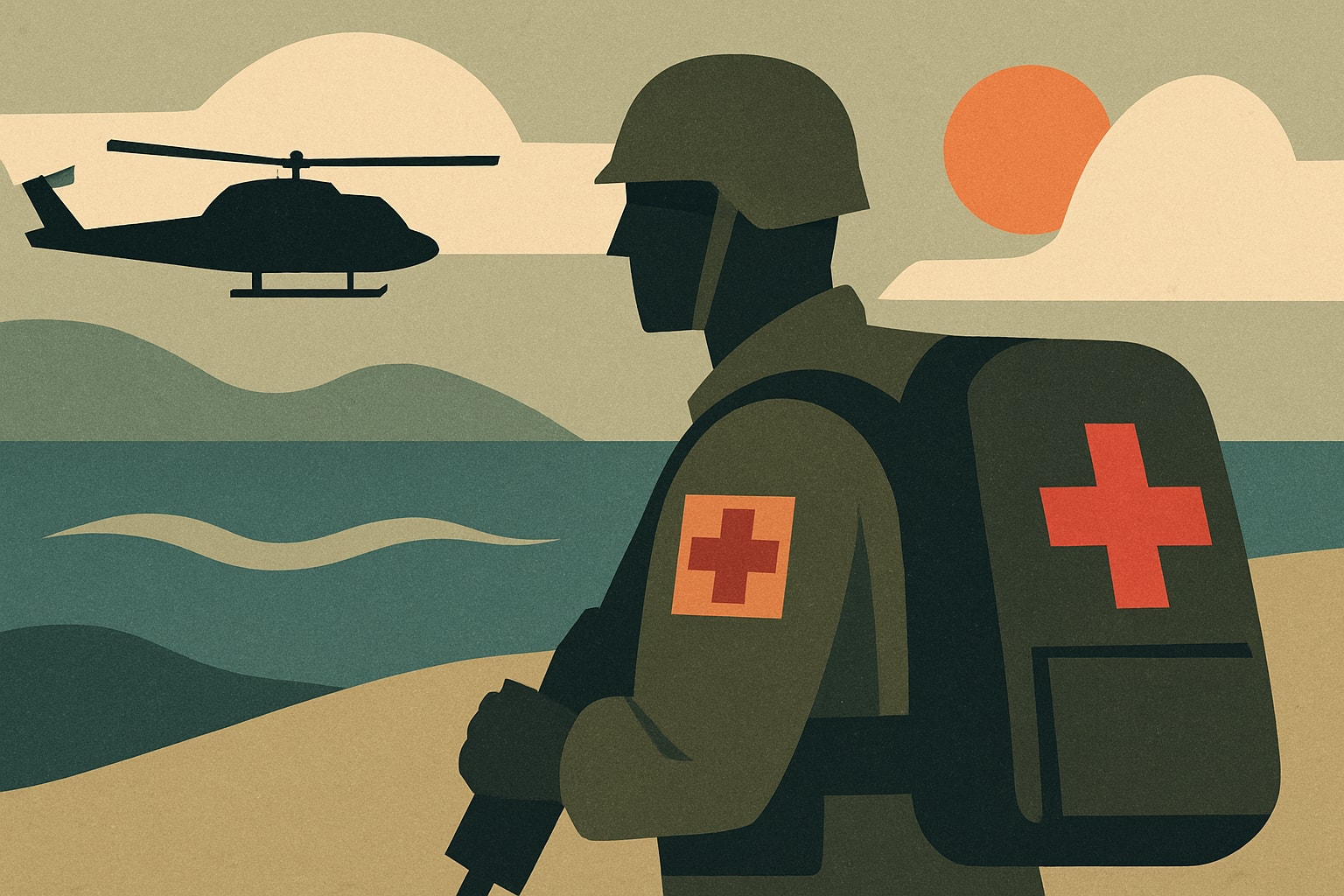
Combat medics are preparing for unique challenges in the Indo-Pacific, focusing on timely medical care amid potential disruptions.
What's Happening
- •Army combat medics are training for operations in the Indo-Pacific region.
- •Medics are focusing on overcoming challenges like distance and communication disruptions.
- •New strategies are being developed for timely access to medical care in contested environments.
Why It Matters
The preparation of Army combat medics for operations in the Indo-Pacific is crucial for maintaining medical readiness in potential conflict scenarios. Understanding these changes is vital for service members, especially those in medical roles, as they will directly impact their training and operational effectiveness.
What Changes Now
- •Training programs for combat medics are being updated to include Indo-Pacific specific scenarios. This change is crucial as it prepares medics for the unique challenges they may face in that region.
- •Emphasis on logistical planning and communication strategies is increasing in training. This is important for ensuring that medics can coordinate care effectively in contested environments.
- •New training simulations will better mimic the conditions medics will encounter. This practical approach will enhance readiness and adaptability in real-world situations.
What to Watch
- •Upcoming training exercises focused on Indo-Pacific operations will be announced. These exercises will provide insights into how medics are adapting their skills for specific challenges.
- •The Army may introduce new technologies to assist medics in the field. Monitoring these developments will be essential for understanding future capabilities.
- •Changes to medical protocols and guidelines are expected as the Army refines its approach. Keeping an eye on these updates will be important for all service members involved in medical care.
Get the Daily Briefing
Military and veteran news that actually affects you, in your inbox each morning.
More Context
- •Unique Challenges in the Indo-Pacific: The Indo-Pacific region presents distinct operational challenges for Army combat medics. Factors such as vast distances, contested airspace, and unpredictable weather conditions complicate the delivery of medical care. Medics must be prepared to operate in environments where evacuation platforms may be limited, requiring them to adapt their skills and strategies to ensure timely medical assistance.
- •Training Adaptations for Combat Medics: To meet the demands of potential conflicts in the Indo-Pacific, the Army is enhancing its training programs for combat medics. This includes simulations that mimic the complexities of operating in remote areas with limited resources. Training now emphasizes not only medical skills but also logistical planning and communication strategies to ensure that medics can effectively coordinate care despite environmental challenges.
- •Impact on Active Duty and Reserve Medics: The changes in training and operational focus will directly affect both active duty and Reserve Component medics, particularly those in the 68W Military Occupational Specialty. These medics will need to be proficient not only in traditional medical care but also in navigating the unique challenges posed by the Indo-Pacific environment. The emphasis on readiness means that these service members will undergo more rigorous and realistic training scenarios.
- •Future Considerations for Medical Readiness: As the Army continues to prepare for potential conflicts in the Indo-Pacific, the focus on medical readiness will remain critical. Service members should anticipate ongoing updates to training protocols and operational guidelines. Additionally, the Army may implement new technologies to assist medics in providing care under challenging conditions, which could lead to further changes in how medics are trained and deployed.
Frequently Asked Questions
How will the changes in training affect my role as a combat medic?
The changes will enhance your training by incorporating realistic scenarios specific to the Indo-Pacific, preparing you for the unique challenges you may face.
Will these changes impact Reserve Component medics differently?
Yes, Reserve Component medics will also undergo updated training protocols to ensure they are equally prepared for operations in the Indo-Pacific.
Veteran Take
For those who've served, the role of combat medics is one of the most critical and often underappreciated in the field. As they prepare for the unique challenges in the Indo-Pacific, we recognize the importance of their training in ensuring that our troops receive timely and effective medical care. Veterans navigating this landscape understand that the readiness of our medics can mean the difference between life and death in high-stakes situations.
The Daily Briefing
Military & veteran news that actually affects you — delivered every morning.
- Pay, benefits & policy changes
- Pentagon decisions that matter
- VA updates for veterans & families
- One email. No spam. Unsubscribe anytime.
Related Stories
- Agencies Must Integrate Smart Identity Cards for Post-Quantum Cryptography— Federal News Network
- National Guard Responds to Troops Near DC Ballot Drop Box Incident— Task & Purpose
- Pentagon and Raytheon Sign $6.3 Billion Deal for Missile Interceptor Replenishment— Military Times
- Pentagon Denies Access to Qatar Base Amid Iran War Concerns— Defense News