Understanding the Military's New Waist-to-Height Ratio Test
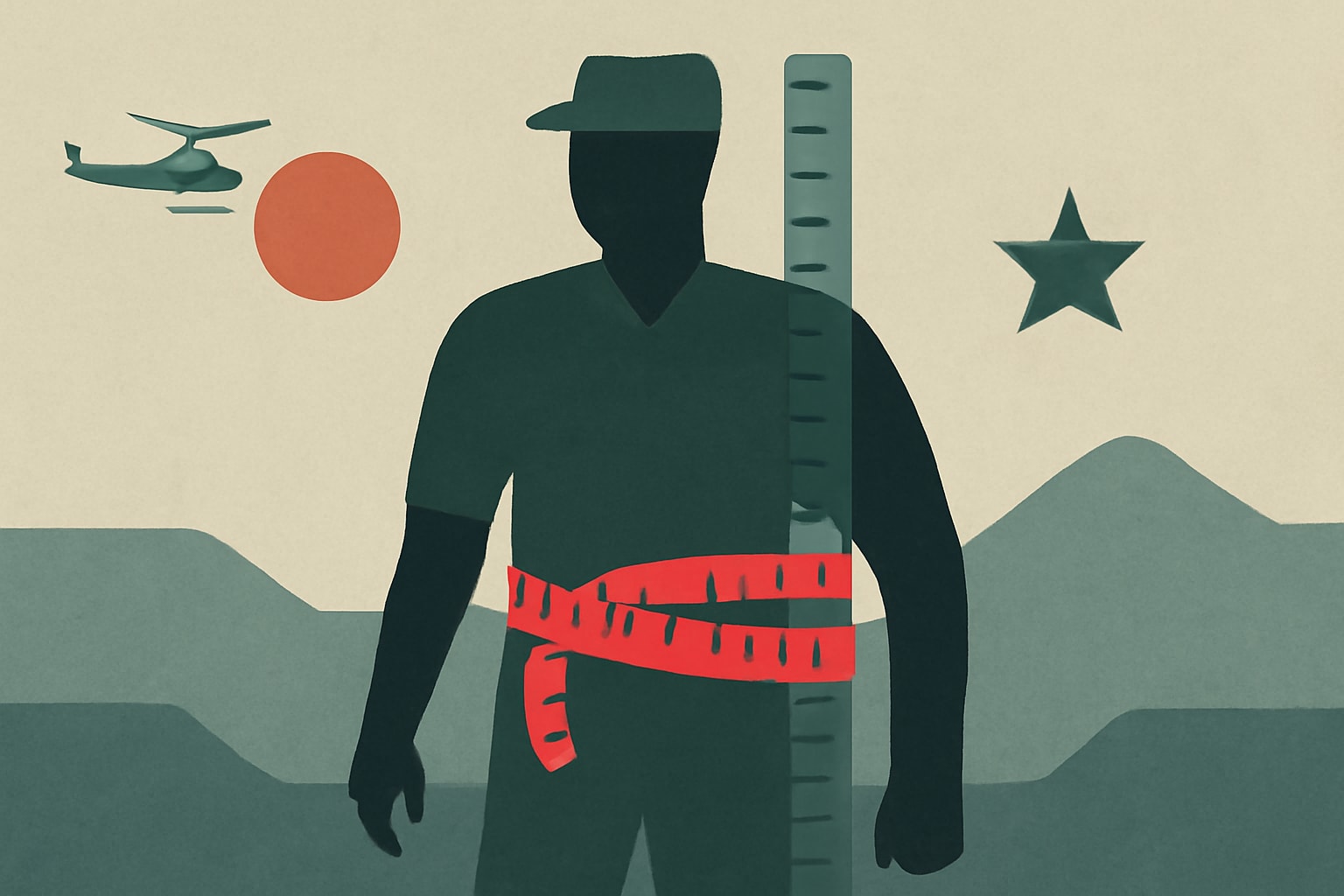
The military introduces a new waist-to-height ratio test aimed at improving service member health standards.
What's Happening
- •The military is implementing a new waist-to-height ratio test for service members starting in 2026.
- •This test replaces previous body composition assessments, focusing on a more holistic view of fitness.
- •Active-duty and reserve personnel will be required to meet these new standards to maintain their readiness.
Why It Matters
The new waist-to-height ratio test reflects a significant shift in how the military evaluates fitness and health among its personnel. By focusing on waist size as an indicator of health, the military aims to reduce obesity-related health issues, ultimately enhancing the overall readiness and effectiveness of its forces.
What Changes Now
- •Service members must prepare for the waist-to-height ratio test starting in 2026. This requires adjustments in their fitness routines to prioritize waist measurements.
- •The military will provide resources to help personnel meet the new standards. Commanders will likely offer guidance on effective training and nutrition plans.
- •All ranks from E-1 to O-10 will be evaluated under this new standard. This could impact those who previously relied on weight alone to meet fitness requirements.
What to Watch
- •Updates from military commands regarding the implementation of the new test. These updates will clarify how the test will be conducted and assessed.
- •Additional guidance on training resources and support for service members. This may include workshops or seminars focused on nutrition and fitness.
- •Feedback from initial assessments of the waist-to-height ratio test. The military may adjust standards based on the effectiveness and outcomes of the initial implementation.
Get the Daily Briefing
Military and veteran news that actually affects you, in your inbox each morning.
More Context
- •What is the Waist-to-Height Ratio Test?: The waist-to-height ratio test measures the circumference of a service member's waist in relation to their height. This method is designed to provide a more accurate assessment of body fat distribution and overall health compared to traditional weight-based metrics. By focusing on waist size, the military aims to address health risks associated with obesity and improve overall readiness. The test is straightforward: service members will measure their waists at the narrowest point and divide that measurement by their height to determine their ratio.
- •Who is Affected by the New Standards?: All active-duty service members, including E-1 to O-10 ranks, as well as National Guard and Reserve members, will be subject to this new test. This change is particularly relevant for those in physical roles, such as infantrymen (11B) and combat medics (68W), where physical fitness is critical for mission success. The new standards will also impact service members who previously relied on weight measurements to meet fitness requirements, potentially requiring adjustments in their training and lifestyle.
- •How to Prepare for the Waist-to-Height Ratio Test: To successfully meet the new waist-to-height ratio standards, service members should focus on both diet and exercise. Incorporating cardiovascular workouts, strength training, and a balanced diet can help reduce waist circumference. Additionally, service members should regularly measure their waist and height to track their progress. Resources such as the Army's Holistic Health and Fitness program offer guidance on effective training strategies and nutrition plans tailored for military personnel.
- •What Changes Now for Service Members?: Starting in 2026, service members must prepare for the waist-to-height ratio test as part of their annual fitness assessments. This means adjusting training regimens to focus on waist measurement rather than just weight. Commanders will provide resources and support to help personnel meet these new standards, emphasizing the importance of health and fitness in maintaining operational readiness.
- •What to Watch Moving Forward: As the implementation date approaches, service members should keep an eye on updates from their respective commands regarding training resources and support. The military will likely release additional guidance on how to conduct the waist-to-height ratio test accurately. Furthermore, ongoing evaluations of the test's effectiveness and potential adjustments to the standards may occur based on initial feedback and results.
Frequently Asked Questions
What is the waist-to-height ratio test?
The waist-to-height ratio test measures the circumference of your waist compared to your height to assess body fat distribution.
Who has to take this test?
All active-duty, National Guard, and Reserve personnel will be required to take the waist-to-height ratio test.
How can I prepare for the new test?
Focus on a balanced diet and regular exercise, particularly cardiovascular and strength training, to help reduce waist circumference.
The Daily Briefing
Military & veteran news that actually affects you — delivered every morning.
- Pay, benefits & policy changes
- Pentagon decisions that matter
- VA updates for veterans & families
- One email. No spam. Unsubscribe anytime.
Related Stories
- U.S. Establishes New Autonomous Warfare Command to Enhance Drone Operations— DefenseScoop
- Navy to Procure 30 Robotic Ships at an Average Cost of $40M Each— DefenseScoop
- US Navy to Maintain Electromagnetic Catapults on Newest Carriers— Military Times
- Hegseth Proposes Cutting One-in-Five General and Admiral Positions— Military.com