How the Army Used ‘Ghost Tapes’ for Psychological Warfare in Vietnam
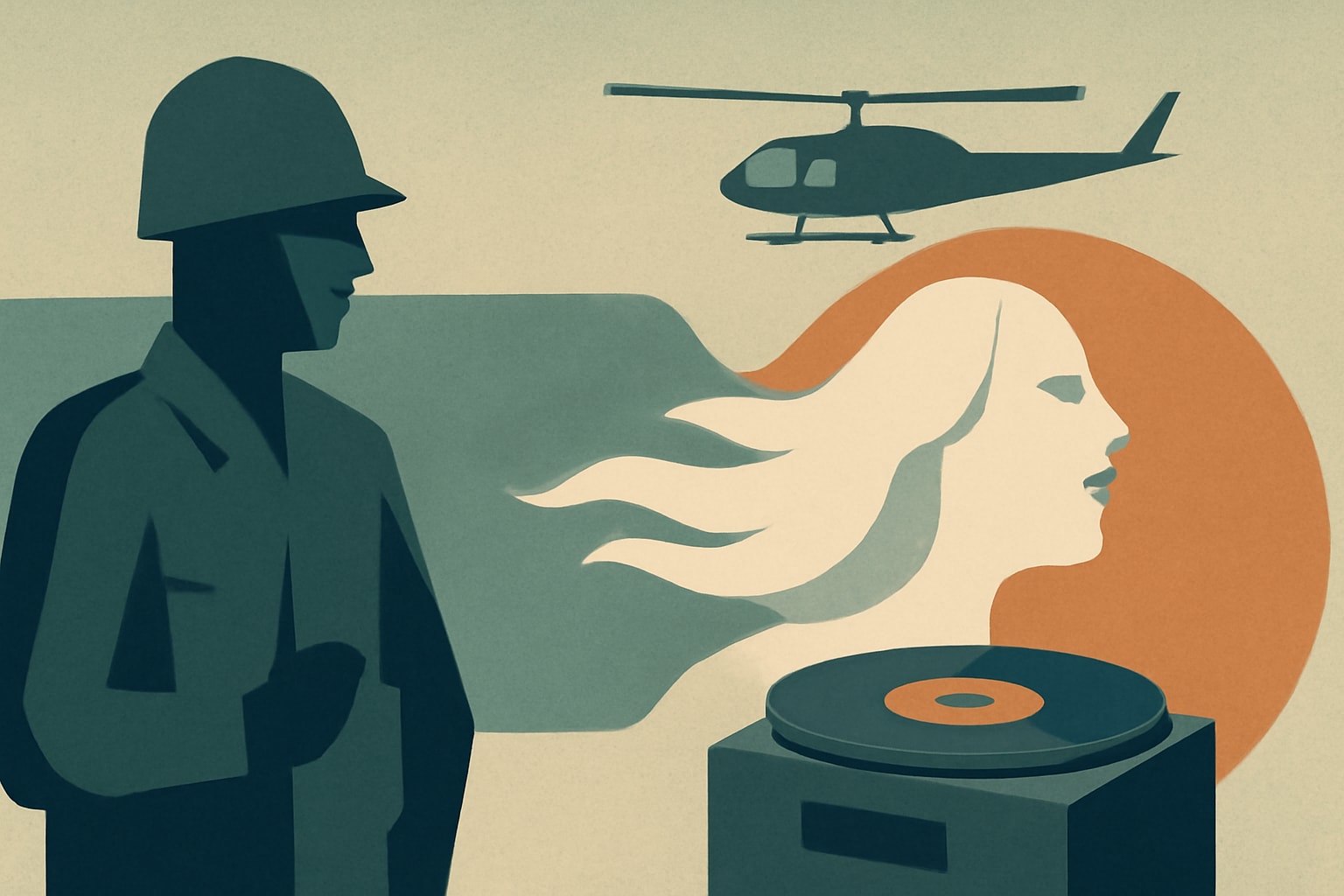
During the Vietnam War, the Army employed eerie recordings to unsettle enemy troops and impact their morale.
What's Happening
- •The Army's psychological operations teams utilized recordings known as 'Wandering Soul' tapes.
- •These tapes featured eerie voices designed to intimidate and demoralize enemy troops.
- •The tactic aimed to exploit the cultural beliefs of the enemy regarding the afterlife.
Why It Matters
The historical use of ghost tapes during the Vietnam War illustrates the importance of psychological operations in military strategy. For current and future service members, understanding these tactics can provide insights into the evolving nature of warfare and the role of psychological influence in combat scenarios.
What Changes Now
- •There are no immediate changes to current military operations regarding psychological warfare tactics. However, the lessons learned from historical PSYOP can inform future training and operational strategies.
- •Current military training may incorporate historical examples like ghost tapes to enhance cultural awareness among troops. This approach can help service members understand the psychological aspects of warfare more effectively.
- •The legacy of ghost tapes highlights the need for ongoing research into psychological operations. Military leaders should prioritize studies that explore the effectiveness of various psychological tactics in modern warfare.
What to Watch
- •Upcoming military training programs may include modules on historical psychological operations. These programs will focus on integrating lessons learned from past conflicts into current training.
- •The Department of Defense is reviewing its psychological operations strategies. This review may lead to new guidelines that reflect the evolving nature of warfare and technology.
- •Future military engagements may increasingly rely on psychological tactics. Observing how these tactics are implemented in real-time will be crucial for understanding their effectiveness.
Get the Daily Briefing
Military and veteran news that actually affects you, in your inbox each morning.
More Context
- •The Concept of 'Ghost Tapes': During the Vietnam War, the U.S. Army implemented psychological operations (PSYOP) to undermine enemy morale. One of the most notable tactics involved the use of 'Wandering Soul' recordings, which were designed to resonate with the cultural beliefs of Vietnamese soldiers. These tapes featured eerie sounds and voices, often mimicking the cries of the dead, to instill fear and confusion among the enemy. By leveraging the belief that the souls of the deceased would wander if not properly honored, the Army aimed to disrupt the psychological state of enemy troops, making them less effective in combat.
- •Execution and Impact: The deployment of ghost tapes required careful planning and execution by specialized PSYOP teams. Soldiers trained in psychological operations would infiltrate enemy territory to broadcast these recordings, often at night when the sounds would carry further. The psychological impact was significant; many enemy soldiers reported feelings of fear and paranoia, which contributed to their hesitance in combat situations. This tactic not only aimed to demoralize the enemy but also to create an atmosphere of uncertainty, ultimately affecting their operational effectiveness.
- •Cultural Considerations: Understanding the cultural context was crucial for the success of these psychological operations. The Army recognized that the Vietnamese held strong beliefs about life after death, which made the ghost tapes particularly effective. By tapping into these beliefs, the Army could create a psychological weapon that was not just about sound, but about the very essence of fear and superstition. This approach underscores the importance of cultural awareness in military operations, highlighting how psychological tactics can be tailored to exploit specific enemy vulnerabilities.
- •Lessons for Modern Warfare: The use of ghost tapes during the Vietnam War offers valuable lessons for contemporary military operations. As warfare evolves, understanding the psychological dimensions of conflict remains essential. Modern military leaders can draw parallels between past tactics and current psychological operations, emphasizing the need for cultural awareness and innovative strategies to influence enemy behavior. In an age where information warfare is becoming increasingly prominent, the principles behind the ghost tapes can inform future operations aimed at psychological manipulation.
Frequently Asked Questions
How did the Army use ghost tapes in Vietnam?
The Army used ghost tapes as a psychological warfare tactic to demoralize enemy troops by exploiting their cultural beliefs about the afterlife.
What were the effects of these psychological operations?
The ghost tapes instilled fear and confusion among enemy soldiers, contributing to their hesitance in combat situations.
Are psychological operations still used today?
Yes, psychological operations continue to be a key component of military strategy, with modern adaptations that reflect current cultural contexts.
The Daily Briefing
Military & veteran news that actually affects you — delivered every morning.
- Pay, benefits & policy changes
- Pentagon decisions that matter
- VA updates for veterans & families
- One email. No spam. Unsubscribe anytime.
Related Stories
- Marine Corps Requires Annual Gas Mask Fit Tests for All Marines— Military.com
- Pentagon Updates Guidance on Low Testosterone Testing for Male Service Members— Military Times
- UN Weighs Moving Ukraine Aid Supplies Underground to Avoid Strikes— Defense News
- Pentagon's $450 Million Investment in Tungsten Will Create 1,200 Jobs— Military.com