How Your Debt-to-Income Ratio Affects VA Loan Eligibility
Your debt-to-income ratio plays a critical role in determining your eligibility for a VA loan.
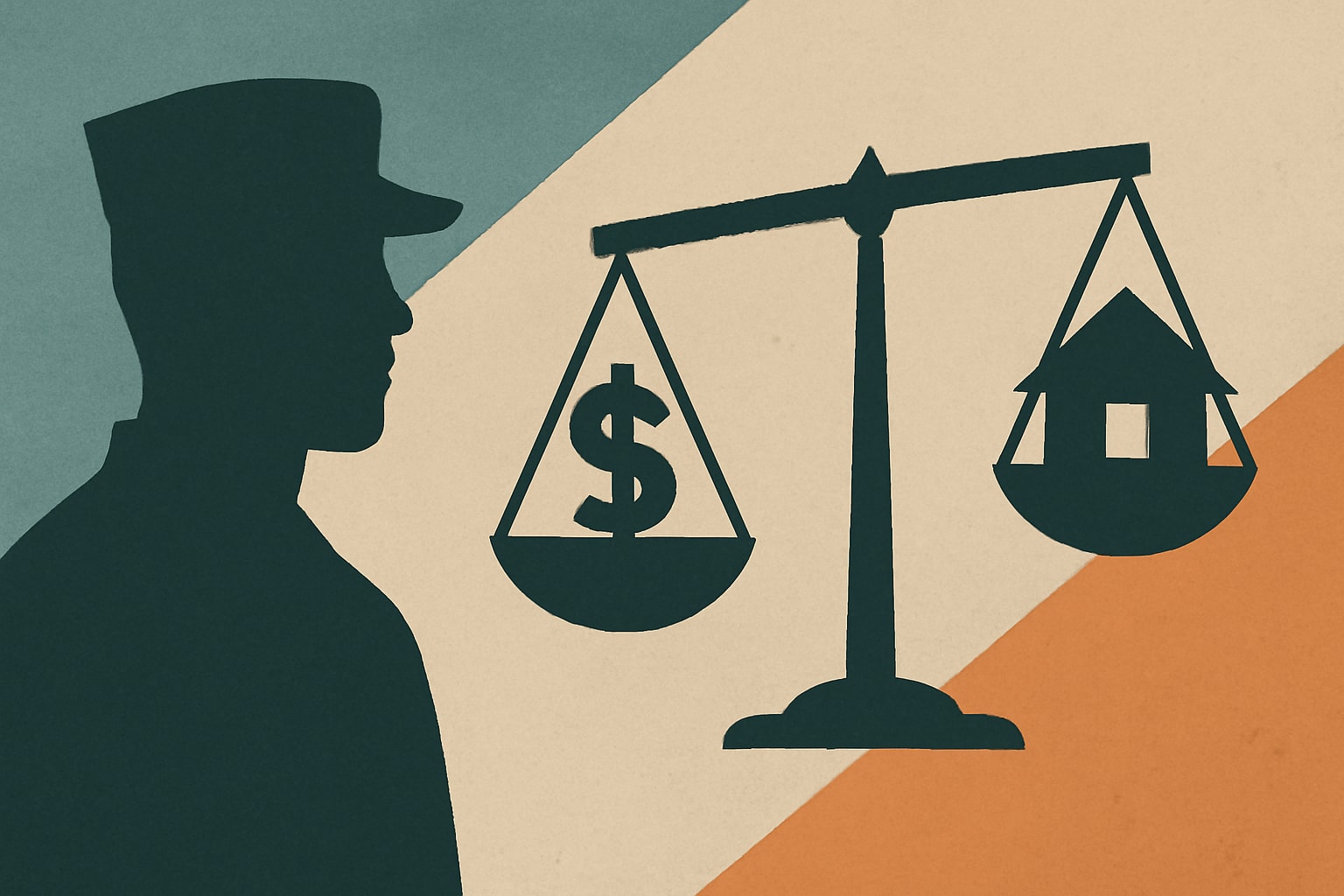
What's Happening
- •The VA loan program uses debt-to-income (DTI) ratios to determine eligibility.
- •A lower DTI ratio generally increases the amount you can borrow.
- •Veterans and active-duty service members can benefit from favorable loan terms.
Why It Matters
Understanding the debt-to-income ratio is crucial for veterans and service members looking to secure a VA loan. This knowledge not only helps in qualifying for a loan but also in maximizing the amount available for home purchases, which is vital for military families seeking stability.
What Changes Now
- •Veterans should assess their current debt levels to understand their DTI ratio. This assessment will help them determine how much they can afford when applying for a VA loan.
- •Active-duty service members may need to consider additional income sources to improve their DTI. This could involve seeking promotions or taking on part-time work to enhance their financial profile.
- •Understanding VA loan guidelines can lead to better financial planning. Knowing the DTI threshold can help veterans make informed decisions about debt management and homebuying.
What to Watch
- •Monitor changes in VA loan policies that may affect DTI calculations. These changes can impact eligibility and loan amounts, so staying updated is essential.
- •Keep an eye on interest rate trends as they can influence monthly payments. Fluctuating rates may affect the overall affordability of a VA loan.
- •Watch for upcoming financial workshops or seminars offered by the VA. These events can provide valuable insights into managing finances and improving loan eligibility.
Get the Daily Briefing
Military and veteran news that actually affects you, in your inbox each morning.
More Context
- •Understanding Debt-to-Income Ratios: The debt-to-income (DTI) ratio is a key financial metric used by lenders to assess a borrower's ability to manage monthly payments and repay debts. It is calculated by dividing total monthly debt payments by gross monthly income. For VA loans, a DTI of 41% or lower is often recommended, but exceptions can be made based on compensating factors such as credit score and residual income. This means that even if a veteran has a higher DTI, they may still qualify for a loan if they demonstrate strong financial stability in other areas.
- •How DTI Affects Loan Amounts: A lower DTI ratio allows veterans and service members to qualify for larger loan amounts. This is particularly important for those looking to purchase homes in high-cost areas. For example, a veteran with a DTI of 30% may qualify for a significantly higher loan than one with a DTI of 50%. Understanding how to manage debts and increase income can thus directly impact the financial opportunities available to military families seeking homeownership.
- •Practical Steps to Improve Your DTI: To improve your DTI, consider paying down existing debts or increasing your income through side jobs or promotions. Service members can also explore additional benefits such as VA financial counseling services, which provide personalized advice on managing finances and improving credit scores. Additionally, utilizing resources like myPay or VA.gov can help track financial health and provide insights into loan eligibility. Making these adjustments before applying for a VA loan can enhance your chances of approval and secure better loan terms.
- •What to Monitor Moving Forward: As you prepare to apply for a VA loan, keep an eye on interest rate trends and changes in VA lending policies. The VA regularly updates its guidelines, which can affect loan eligibility and terms. Stay informed about the housing market in your desired area, as fluctuations can impact your potential loan amount. Lastly, consider reaching out to a VA-approved lender who can provide tailored advice based on your financial situation and help navigate the application process.
Frequently Asked Questions
How is my DTI calculated for a VA loan?
Your DTI is calculated by dividing your total monthly debt payments by your gross monthly income.
Can I qualify for a VA loan with a high DTI?
Yes, you can still qualify with a higher DTI if you have strong compensating factors, such as a good credit score.
What is the recommended DTI for VA loans?
A DTI of 41% or lower is generally recommended for VA loans, but exceptions can be made.
The Daily Briefing
Military & veteran news that actually affects you — delivered every morning.
- Pay, benefits & policy changes
- Pentagon decisions that matter
- VA updates for veterans & families
- One email. No spam. Unsubscribe anytime.
Related Stories
- Understanding Dental Care Options for Veterans: VADIP, FEDVIP, and More— Military.com
- VA Terminates $1.1 Billion in Contracts After DOGE Requests— Military Times
- 27 Veterans' Grave Markers Stolen in Kentucky, Suspect Arrested— Military.com
- Toxic Suppressor Blowback Necessitates Military Safety Reforms— Military Times