Contested Space: A Growing Threat to U.S. Military Operations
As global rivals enhance their capabilities, U.S. troops face increased risks to GPS and targeting systems.
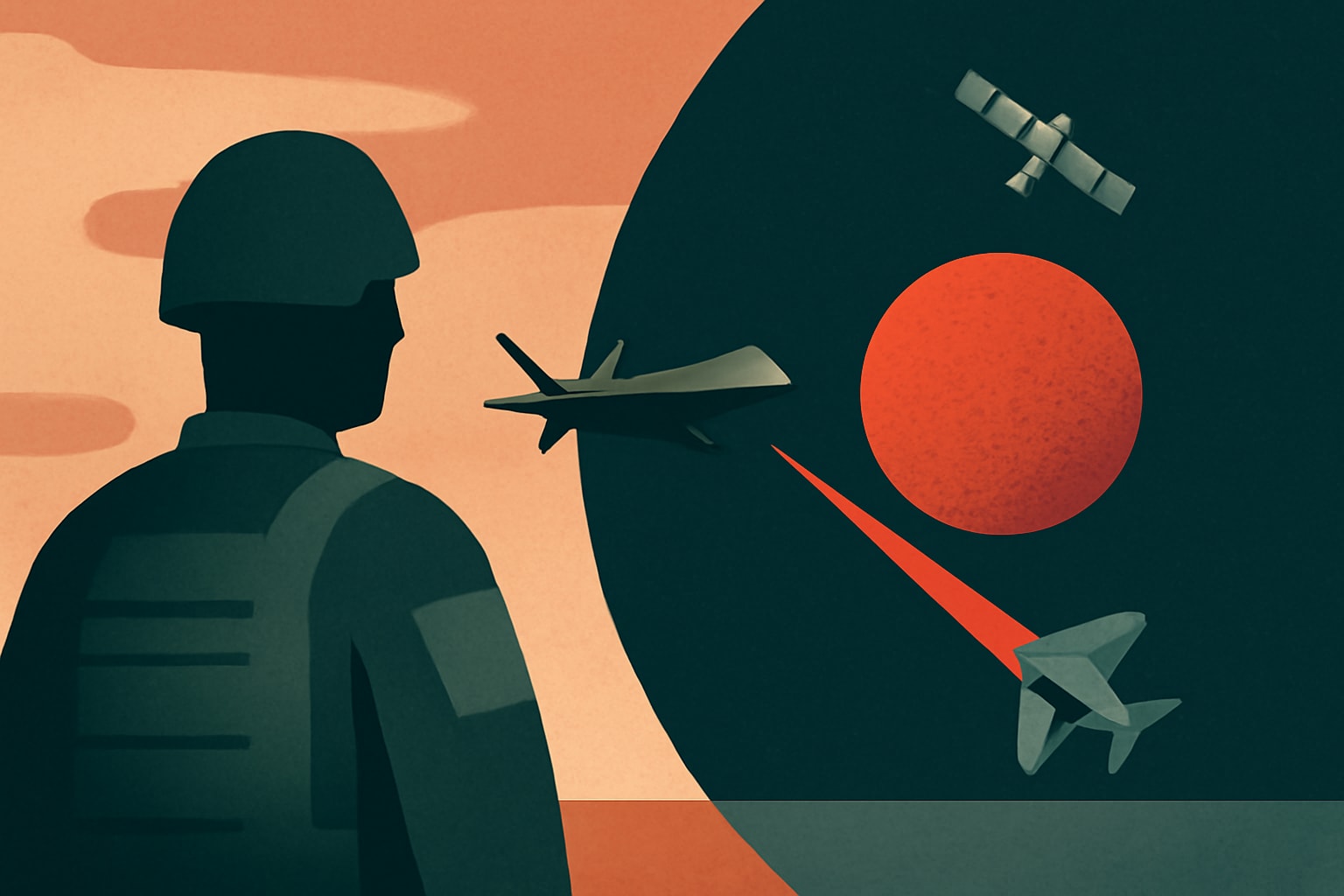
What's Happening
- •U.S. military operations rely heavily on satellites for GPS and communications.
- •China and other nations are developing technologies to disrupt these space systems.
- •The contested nature of space is increasing risks for U.S. troops in operational theaters.
Why It Matters
The increasing threats to U.S. military satellite systems directly impact the effectiveness of military operations. Service members must be prepared for scenarios where traditional navigation and communication methods may be compromised, affecting mission success and troop safety.
What Changes Now
- •Military training programs will begin incorporating new tactics to operate in contested environments. This will involve simulations that prepare troops for situations where GPS and satellite communications are unavailable.
- •Operational protocols will be updated to include alternative navigation methods. Troops will need to familiarize themselves with these methods to ensure mission success in the event of satellite disruption.
- •Resource allocation for space defense initiatives is expected to increase. This will lead to enhanced funding for research and development of technologies that can protect U.S. satellite systems.
What to Watch
- •Upcoming military exercises focusing on contested space operations are scheduled for next quarter. These exercises will test new strategies and technologies in realistic scenarios.
- •Legislative discussions regarding funding for space defense initiatives are ongoing. Decisions made in Congress could significantly impact the resources available for enhancing satellite security.
- •New technologies aimed at countering satellite disruption are in development. The effectiveness of these technologies will be crucial for maintaining operational capabilities in the future.
Get the Daily Briefing
Military and veteran news that actually affects you, in your inbox each morning.
More Context
- •The Importance of Space in Military Operations: Space is a critical domain for modern military operations, providing essential services such as GPS for navigation, targeting, and communications. U.S. forces, particularly those in combat roles like infantry and aviation, depend on these systems to execute missions effectively and maintain situational awareness.
- •Emerging Threats from Global Rivals: Countries like China are advancing their capabilities to disrupt U.S. satellite systems, posing a significant threat to military effectiveness. These developments could undermine the strategic advantages that U.S. forces have relied upon, making it crucial for military planners to adapt to the changing landscape of warfare.
- •Impact on Service Members and Operations: Active duty personnel, especially those in combat arms and support roles, will face increased challenges if satellite systems are compromised. This could lead to operational delays, increased risks during missions, and a need for alternative navigation and communication methods, which may not be as reliable.
- •Preparing for Contested Space Operations: Military leaders are urged to develop strategies that account for contested environments, focusing on resilience and redundancy in systems. Training programs will need to incorporate these new realities, ensuring service members are prepared to operate effectively without relying solely on satellite technology.
Frequently Asked Questions
How will contested space affect my deployment?
If satellite systems are compromised, you may need to rely on alternative navigation and communication methods, which could affect mission planning and execution.
What training will be provided for operating without GPS?
The military is updating training programs to include scenarios where GPS is unavailable, focusing on traditional navigation techniques and alternative communication methods.
Are there new technologies being developed for space defense?
Yes, there are ongoing efforts to develop technologies that can protect U.S. satellites and ensure operational capabilities in contested environments.
The Daily Briefing
Military & veteran news that actually affects you — delivered every morning.
- Pay, benefits & policy changes
- Pentagon decisions that matter
- VA updates for veterans & families
- One email. No spam. Unsubscribe anytime.
Related Stories
- Army Activates Its Fourth Multi-Domain Task Force at Fort Carson— Task & Purpose
- Lockheed Martin Unveils PAC-3 Edge Interceptor to Counter Hypersonic Threats— Military Times
- BAE Systems Awarded Contract for F-35 Block 4 Electronic Warfare Systems— Air & Space Forces Magazine
- Two Dover Airmen Sentenced in Multimillion-Dollar Cyber Fraud Scheme— Air & Space Forces Magazine