Adaptive Weapons and Trusted Autonomy Reshape Future Military Operations
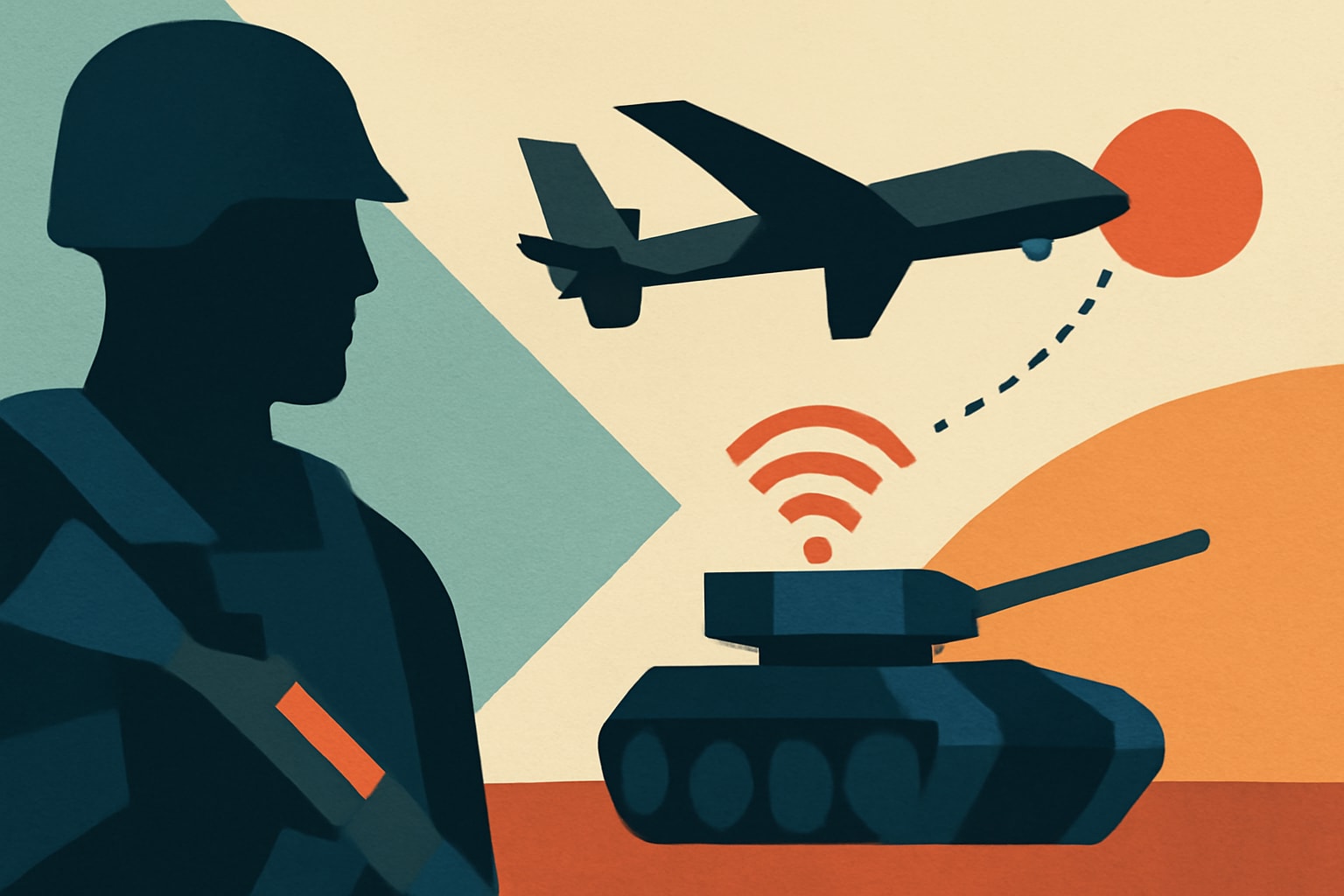
The evolution of military fires is increasingly reliant on software-driven munitions that adapt and earn trust.
What's Happening
- •The military is shifting towards adaptive weapons that utilize advanced software for improved targeting.
- •These systems are designed to enhance the speed and accuracy of military operations.
- •Trust in autonomous systems is becoming a critical factor for commanders in decision-making.
Why It Matters
The integration of adaptive weapons and trusted autonomy into military operations signifies a significant shift in how the armed forces approach combat. For service members and veterans, understanding these changes is crucial as they may directly impact future operations and career training requirements.
What Changes Now
- •The military is implementing new training programs focusing on adaptive weapons technology. This will require service members to enhance their technical skills and understanding of these systems.
- •Commanders will begin to rely more on autonomous systems for decision-making in combat scenarios. This change means that personnel must be prepared to work alongside these technologies effectively.
- •Operational guidelines are being updated to incorporate the use of adaptive weapons. This will affect how missions are planned and executed across various branches.
What to Watch
- •Upcoming Department of Defense guidelines on the integration of adaptive weapons are expected soon. These guidelines will shape training and operational frameworks for all service members.
- •Military exercises showcasing adaptive weapon systems will occur in the next year. Observing these exercises will provide insights into the effectiveness and reliability of these technologies.
- •The development of new training modules for service members is on the agenda. These modules will focus on the operational use of autonomous systems in combat.
Get the Daily Briefing
Military and veteran news that actually affects you, in your inbox each morning.
More Context
- •The Shift to Adaptive Weapons: The future of military operations is increasingly dependent on adaptive weapons that leverage advanced software capabilities. Unlike traditional munitions, these systems can adjust their targeting and engagement strategies in real-time, allowing for greater precision and reduced collateral damage. This shift not only enhances lethality but also aligns with the military's goals of minimizing unintended consequences in combat scenarios. As these technologies develop, they promise to redefine how commanders approach mission planning and execution.
- •Building Trust in Autonomous Systems: For commanders, trust in autonomous systems is paramount. As military leaders increasingly rely on these technologies, establishing confidence in their reliability and decision-making capabilities becomes essential. Training programs and simulations are being developed to familiarize personnel with these systems, ensuring they understand how to effectively integrate them into their operations. This focus on trust will be crucial as the military seeks to implement these advanced solutions in live environments.
- •Implications for Service Members: Active duty personnel, particularly those in combat arms roles such as 11B Infantry or 13B Field Artillery, will need to adapt to these technological advancements. Training will evolve to include new protocols for engaging with adaptive weapon systems, emphasizing the importance of understanding their operational capabilities. Additionally, junior enlisted service members may find themselves in roles that require a higher level of technical proficiency, as these systems become integral to mission success.
- •Future Developments to Monitor: As the military continues to invest in adaptive weapons and trusted autonomy, several key developments are on the horizon. The Department of Defense is expected to release new guidelines for integrating these technologies into existing frameworks, which will impact training and operational procedures. Furthermore, upcoming military exercises will likely showcase these systems in action, providing insights into their effectiveness and reliability under real-world conditions.
Frequently Asked Questions
How will adaptive weapons change my job as a combat arms soldier?
Adaptive weapons will require you to learn new technical skills and adapt to using advanced systems in operations.
Will I receive training on autonomous systems?
Yes, the military is developing training programs to ensure personnel are proficient in using these technologies.
What impact will this have on military decision-making?
Commanders will increasingly rely on autonomous systems, which will change how decisions are made in combat scenarios.
Veteran Take
For those who've served, the rise of adaptive weapons and trusted autonomy is both exciting and daunting. We know that technology can change the battlefield in ways we never imagined, but it also raises questions about how we prepare our troops and ensure they are ready for these new systems. Veterans navigating this transition will need to advocate for training that keeps pace with these advancements, ensuring that our service members are equipped not just with the latest tools, but with the critical thinking skills to use them effectively.
The Daily Briefing
Military & veteran news that actually affects you — delivered every morning.
- Pay, benefits & policy changes
- Pentagon decisions that matter
- VA updates for veterans & families
- One email. No spam. Unsubscribe anytime.
Related Stories
- Senate Lawmakers Urge Pentagon for Greater Price Transparency in Contracts— Federal News Network
- D.C. Circuit Ruling Could Threaten Defense Contractors, Officials Warn— DefenseScoop
- Acting US Army Secretary Creates Task Force for HVAC Repairs— Army Times
- TACOM's Modernization Initiatives Enhance Military Repair Capabilities— Federal News Network