Newly Discovered Chemical Weapons Sites in Syria Raise Security Concerns
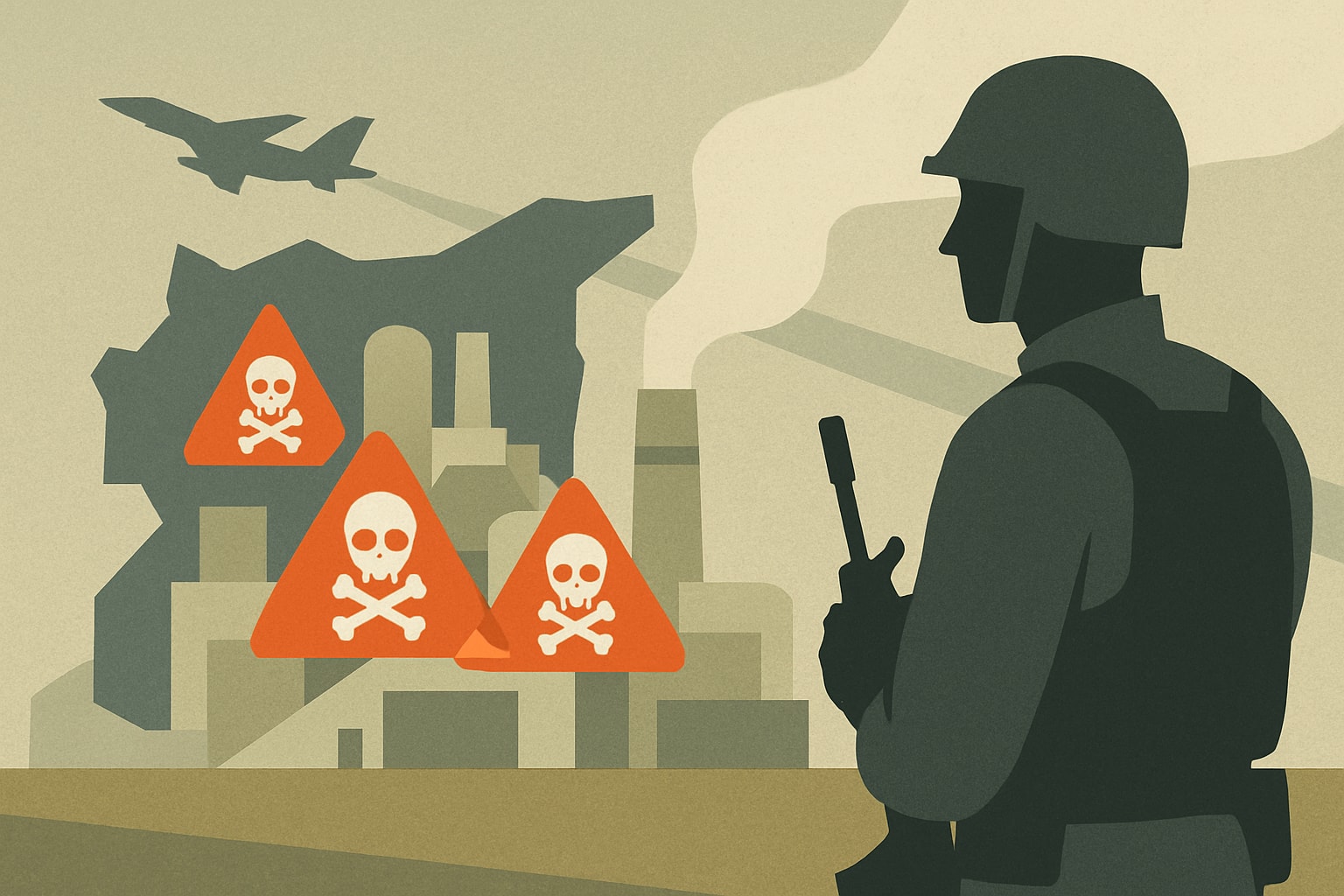
International inspectors have uncovered previously hidden chemical weapons materials in Syria, over a decade after disarmament efforts.
What's Happening
- •International inspectors have found hidden chemical weapons materials in Syria.
- •This discovery comes over a decade after Syria's commitment to dismantle its chemical arsenal.
- •The findings raise concerns about the ongoing security situation in the region.
Why It Matters
The discovery of hidden chemical weapons in Syria highlights ongoing compliance issues with international disarmament agreements. For military personnel, particularly those deployed in the region, this poses a direct threat to safety and necessitates a reassessment of operational protocols.
What Changes Now
- •Military leadership may issue new operational guidelines in response to the findings. This will ensure that personnel are aware of potential threats and can adjust their tactics accordingly.
- •Increased intelligence-gathering efforts will likely be prioritized. Personnel should be prepared to adapt to evolving security protocols as the situation develops.
- •Service members may receive additional training on chemical threat recognition and response. This will enhance their preparedness for potential encounters with chemical weapons.
What to Watch
- •Monitor updates from military leadership regarding operational changes in Syria. These updates will provide critical information on how the military plans to address the new threats.
- •Watch for international responses from allied nations regarding the findings. Their actions may influence U.S. military strategy and engagement in the region.
- •Stay informed about any new intelligence reports related to chemical weapons in Syria. These reports will be essential for understanding the evolving threat landscape.
Get the Daily Briefing
Military and veteran news that actually affects you, in your inbox each morning.
More Context
- •Background on Syria's Chemical Weapons Disarmament: In 2013, Syria agreed to dismantle its chemical weapons stockpile following international pressure and a series of chemical attacks on civilians. The Organization for the Prohibition of Chemical Weapons (OPCW) oversaw the disarmament process, which was touted as a significant step toward stabilizing the region. However, the recent findings of hidden sites indicate that compliance may have been incomplete, raising questions about the effectiveness of international oversight.
- •Implications for Military Operations: The discovery of hidden chemical weapons sites presents a potential threat to military personnel operating in Syria and surrounding areas. Active duty service members, particularly those in combat roles such as infantry and special operations, may face increased risks if these weapons are not secured. The military must reassess its operational strategies and intelligence-gathering efforts to address this evolving threat landscape.
- •Regional Security Concerns: The resurgence of chemical weapons in Syria could destabilize the already fragile security situation in the Middle East. Allies and adversaries alike are likely to respond to these developments, which could lead to heightened tensions and military engagements. Service members stationed in the region should remain vigilant and informed about the implications of these findings on their missions.
- •Next Steps for Military Personnel: Service members should stay updated on guidance from military leadership regarding operations in Syria. Additionally, personnel should engage with their chain of command to understand any changes in protocols related to chemical threats. Awareness and preparedness are crucial as the situation develops.
Frequently Asked Questions
Does this affect Guard members on Title 10 orders?
Yes, Guard members on Title 10 orders may be impacted by changes in operational protocols due to the discovery of chemical weapons in Syria.
Will my deployment location change because of this?
Deployment locations may be reassessed based on the security situation, so it's important to stay in contact with your chain of command.
What should I do if I encounter chemical threats?
Follow the training provided by your unit and adhere to the protocols established by military leadership for chemical threat response.
Veteran Take
For those who've served in the Middle East, the revelation of hidden chemical weapons sites in Syria is a stark reminder of the complexities and dangers we faced during our deployments. Veterans navigating this will likely feel a renewed sense of concern for our brothers and sisters still in harm's way, as these discoveries underscore the ongoing threats that persist despite years of disarmament efforts. Anyone who's dealt with the realities of conflict understands that the risks are far from over, and this situation calls for vigilance and a reevaluation of how we approach security in volatile regions.
The Daily Briefing
Military & veteran news that actually affects you — delivered every morning.
- Pay, benefits & policy changes
- Pentagon decisions that matter
- VA updates for veterans & families
- One email. No spam. Unsubscribe anytime.
Related Stories
- Air Force Seeks Next-Gen Perimeter Air Defense Radars to Replace Aging Systems— Air & Space Forces Magazine
- AFRL Partners with Virgin Galactic to Collect Space Weather Data— Air & Space Forces Magazine
- Air Force and Space Force Set Historic Recruiting Goals for 2027— Air & Space Forces Magazine
- US Army Selects Five Companies for Advanced Missile Development— Military Times