U.S. Defense Secretary Hegseth Announces Military Partnership with Venezuela
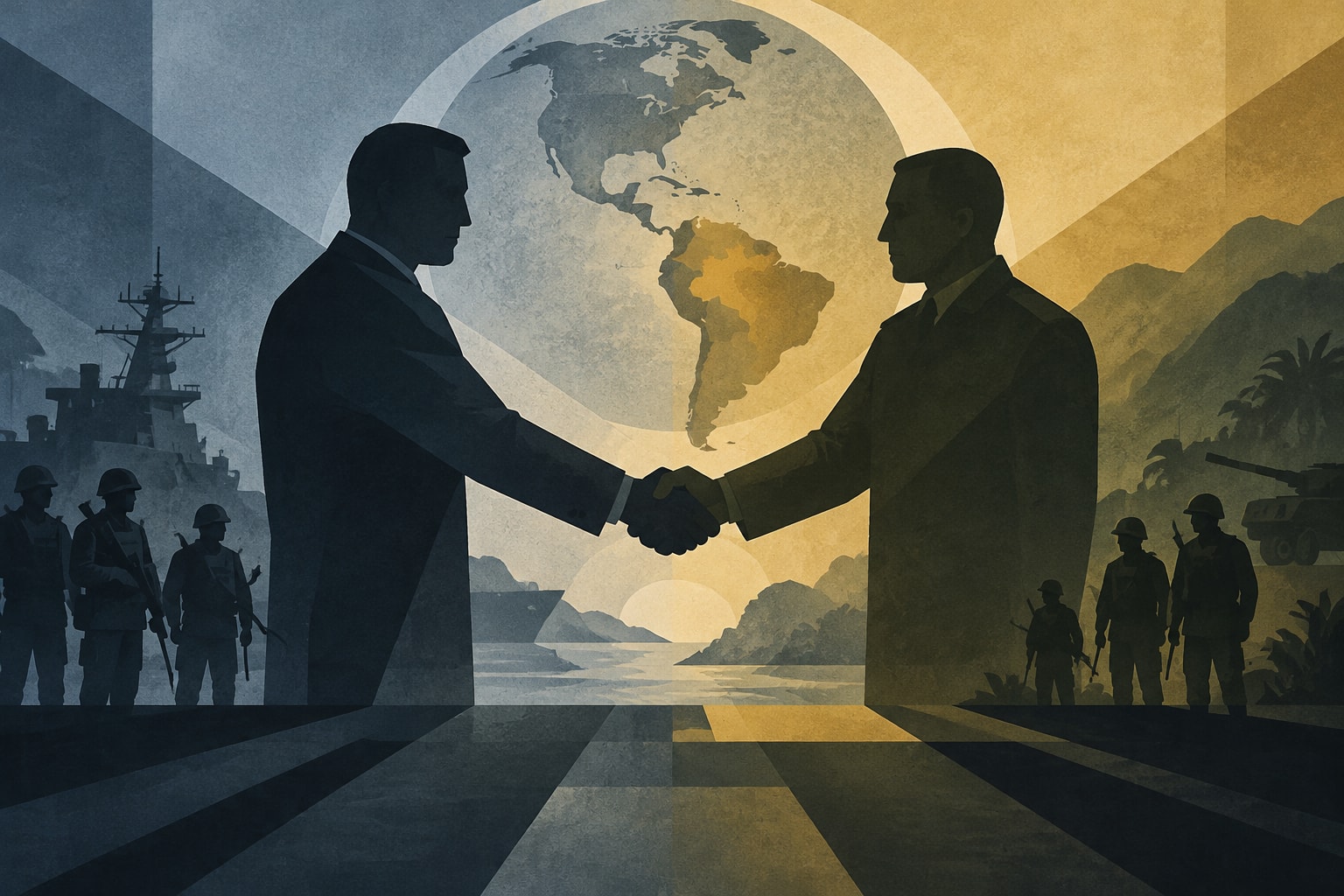
In a significant move, the U.S. and Venezuela have agreed on military cooperation following a recent regime change.
What's Happening
- •Defense Secretary Pete Hegseth announced a military cooperation agreement with Venezuela.
- •This is Hegseth's first visit to Venezuela since the U.S. special forces operation in January.
- •The agreement aims to enhance military collaboration between the two nations.
Why It Matters
This agreement signifies a critical shift in U.S. military strategy in Latin America, impacting service members' roles and missions. For veterans and military families, understanding the implications of such partnerships is essential for navigating potential changes in benefits and support systems.
What Changes Now
- •The U.S. military will begin to establish joint training programs with Venezuelan forces. This will likely involve logistical planning and coordination between U.S. Southern Command and Venezuelan military leadership.
- •Service members may experience changes in deployment schedules as new missions arise from this partnership. Units may need to prepare for increased operational readiness and adaptability to new environments.
- •Military families should be prepared for potential relocations or changes in support services as the U.S. adjusts its military presence in the region. This could affect access to resources and community support networks.
What to Watch
- •Upcoming joint military exercises are scheduled for next year. These exercises will test the effectiveness of the partnership and may lead to further operational collaboration.
- •Congress will hold hearings to discuss the implications of the U.S.-Venezuela partnership. The outcomes could influence future military funding and resource allocation.
- •The Department of Defense will release guidelines on the engagement rules for U.S. forces operating in Venezuela. Understanding these rules will be crucial for service members involved in the partnership.
Get the Daily Briefing
Military and veteran news that actually affects you, in your inbox each morning.
More Context
- •Overview of the Agreement: The recently announced military partnership between the U.S. and Venezuela marks a significant shift in U.S. foreign policy in Latin America. This agreement is particularly notable as it comes on the heels of a U.S. special forces operation that led to the ousting of President Nicolas Maduro earlier this year. The partnership is expected to include joint training exercises, intelligence sharing, and logistical support aimed at improving regional security and countering common threats.
- •Implications for U.S. Military Personnel: Active-duty service members, particularly those in the Southern Command, should prepare for potential changes in deployment and operational focus. This partnership may lead to new missions and training opportunities in Venezuela, which could affect units such as Army infantry brigades and Air Force tactical units. Additionally, service members involved in intelligence and special operations may see an increase in collaboration with Venezuelan forces, necessitating cultural and operational training.
- •Impact on Military Families: Military families, especially those with members stationed in or around South America, should stay informed about potential changes in assignments and deployments. The new partnership may lead to increased operational tempo for some units, which can affect family stability and support services. Families should also be aware of any changes to benefits or resources as the U.S. military adapts to this new strategic landscape.
- •What to Watch Moving Forward: As the U.S. and Venezuela formalize this partnership, service members should monitor updates regarding joint exercises scheduled for the upcoming year. Key decisions will be made by the Department of Defense regarding the scope and scale of military engagement in Venezuela. Additionally, Congress will likely review the implications of this partnership, which could influence funding and resource allocation for U.S. military operations in the region.
Frequently Asked Questions
Does this affect Guard members on Title 10 orders?
Yes, Guard members activated under Title 10 may be involved in joint operations as part of the new partnership.
Will my BAH change if I move duty stations mid-year?
Potential changes in BAH could occur depending on new assignments related to the Venezuela partnership.
What should I do if I have concerns about deployment changes?
Service members should reach out to their chain of command for guidance and support regarding any deployment-related concerns.
The Daily Briefing
Military & veteran news that actually affects you — delivered every morning.
- Pay, benefits & policy changes
- Pentagon decisions that matter
- VA updates for veterans & families
- One email. No spam. Unsubscribe anytime.
Related Stories
- Department of the Air Force Fails Audit, Won’t Publish Its Own Financial Report— Air & Space Forces Magazine
- Understanding Tricare for Life: Eligibility and Benefits for Veterans— Military.com
- Psychologist Advocates for Overhaul of VA Disability Exam Process— Military.com
- Congress Unveils Comprehensive Veterans Benefits Package— Military.com