Hanwha to Develop Armored Vehicle with Counter-Drone Laser Technology
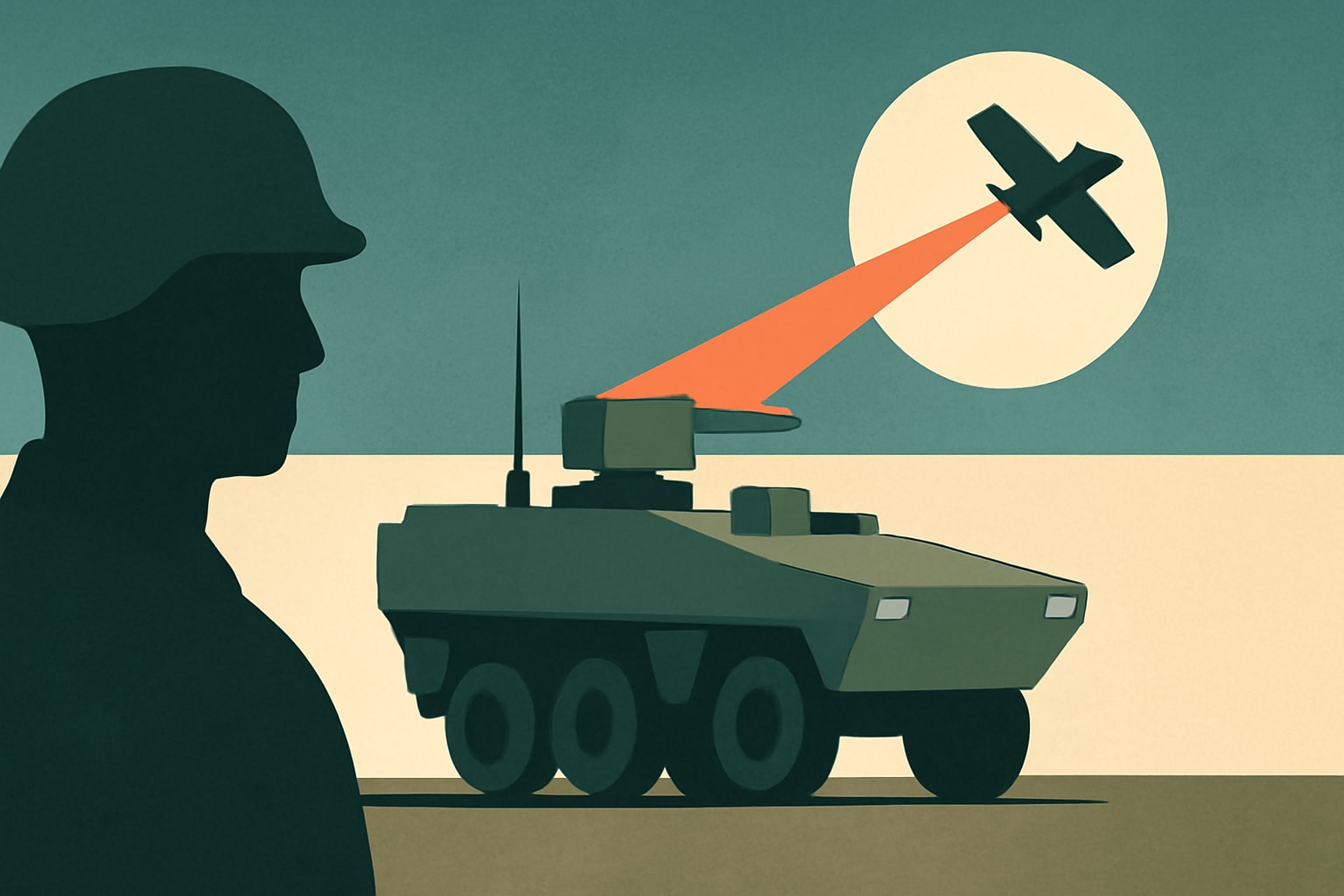
Hanwha plans to build an armored vehicle featuring an advanced counter-drone laser system, enhancing military capabilities.
What's Happening
- •Hanwha is developing a new armored vehicle designed to carry a counter-drone laser system.
- •The vehicle will utilize a more powerful version of the Cheongwang laser currently used for protecting the presidential compound.
- •This initiative is part of a broader effort to enhance military defenses against drone threats.
Why It Matters
The development of an armored vehicle equipped with counter-drone technology is crucial for maintaining military readiness in an era where drone threats are increasingly sophisticated. For service members, this advancement represents a significant evolution in how they will engage with aerial threats, potentially altering tactics and operational procedures on the battlefield.
What Changes Now
- •The introduction of the armored vehicle will enhance counter-drone capabilities for military units. This means that service members will need to familiarize themselves with new technologies and tactics related to drone engagement.
- •Training programs will likely be updated to include instruction on the use of laser systems. This will ensure that personnel are prepared to operate the new vehicle effectively in various scenarios.
- •The deployment of this technology may lead to changes in military engagement strategies. Units will need to adapt their operations to incorporate these advancements in their defense protocols.
What to Watch
- •Prototype testing of the armored vehicle is expected to begin within the next year. This will provide insights into the vehicle's capabilities and effectiveness against drone threats.
- •The South Korean military will conduct evaluations to determine the operational readiness of the new technology. Outcomes from these assessments could influence future military procurement and strategy.
- •Watch for updates on training programs that will integrate this technology into existing military operations. Changes in training may affect how service members engage with aerial threats.
Get the Daily Briefing
Military and veteran news that actually affects you, in your inbox each morning.
More Context
- •Overview of the New Armored Vehicle: Hanwha's latest project involves the creation of an armored vehicle that integrates cutting-edge counter-drone technology. The vehicle will be equipped with a more powerful variant of the Cheongwang laser, which has been effective in protecting high-value locations, such as the South Korean presidential compound. This development highlights the increasing need for military forces to address the growing threat posed by drones, which have become more prevalent in modern warfare. By incorporating laser systems, the vehicle aims to provide a rapid response capability against hostile drones, ensuring the safety of troops and critical assets.
- •Implications for Military Readiness: The introduction of this armored vehicle could significantly enhance the operational readiness of military units facing drone threats. For active-duty personnel, particularly those in combat arms roles such as infantry and armor, this technology could change engagement strategies. Units may be required to undergo training on the use of laser systems and tactics for counter-drone operations. As these vehicles are deployed, service members will need to adapt to new protocols and procedures that integrate this advanced technology into their operations.
- •Who Will Benefit from This Development: The primary beneficiaries of this technology will be active-duty soldiers in combat roles, including E-4 to E-6 ranks in the Army's 11B (Infantryman) and 19K (M1 Armor Crewman) MOSs. Additionally, National Guard and Reserve units may also see this technology incorporated into their training and operations, particularly those involved in homeland defense missions. This development aims to provide these service members with enhanced tools to counter evolving threats in both domestic and international contexts.
- •Future Developments to Monitor: As Hanwha progresses with the development of this armored vehicle, key milestones will include prototype testing and integration into existing military units. The South Korean military is expected to conduct evaluations within the next year to assess the vehicle's effectiveness in real-world scenarios. Additionally, defense contractors and military planners will be watching closely to see how this technology influences future procurement decisions and military strategies in response to drone warfare.
Frequently Asked Questions
Does this affect Guard members on Title 10 orders?
Yes, the advancements in counter-drone technology will likely be relevant for Guard members activated under Title 10 orders, as they may be deployed in scenarios where drone threats are present.
Will my unit receive training on the new vehicle?
Units that will be utilizing the new armored vehicle are expected to receive specialized training on its operation and counter-drone tactics.
How will this technology impact my deployment?
The introduction of this technology may change deployment strategies, as units will be better equipped to handle drone threats in various operational environments.
The Daily Briefing
Military & veteran news that actually affects you — delivered every morning.
- Pay, benefits & policy changes
- Pentagon decisions that matter
- VA updates for veterans & families
- One email. No spam. Unsubscribe anytime.
Related Stories
- Iran Conflict Redefines Cybersecurity Threat Landscape— Federal News Network
- AFOSI Seeks Enlisted Airmen to Train as Special Agents— Air & Space Forces Magazine
- Air Force Plans to Acquire Land for 120 New Sentinel ICBM Silos— Air & Space Forces Magazine
- Drone Carrying M250 Machine Gun Completes Successful Firing Test— Military Times