Beware of Scammers Exploiting Military Goodwill
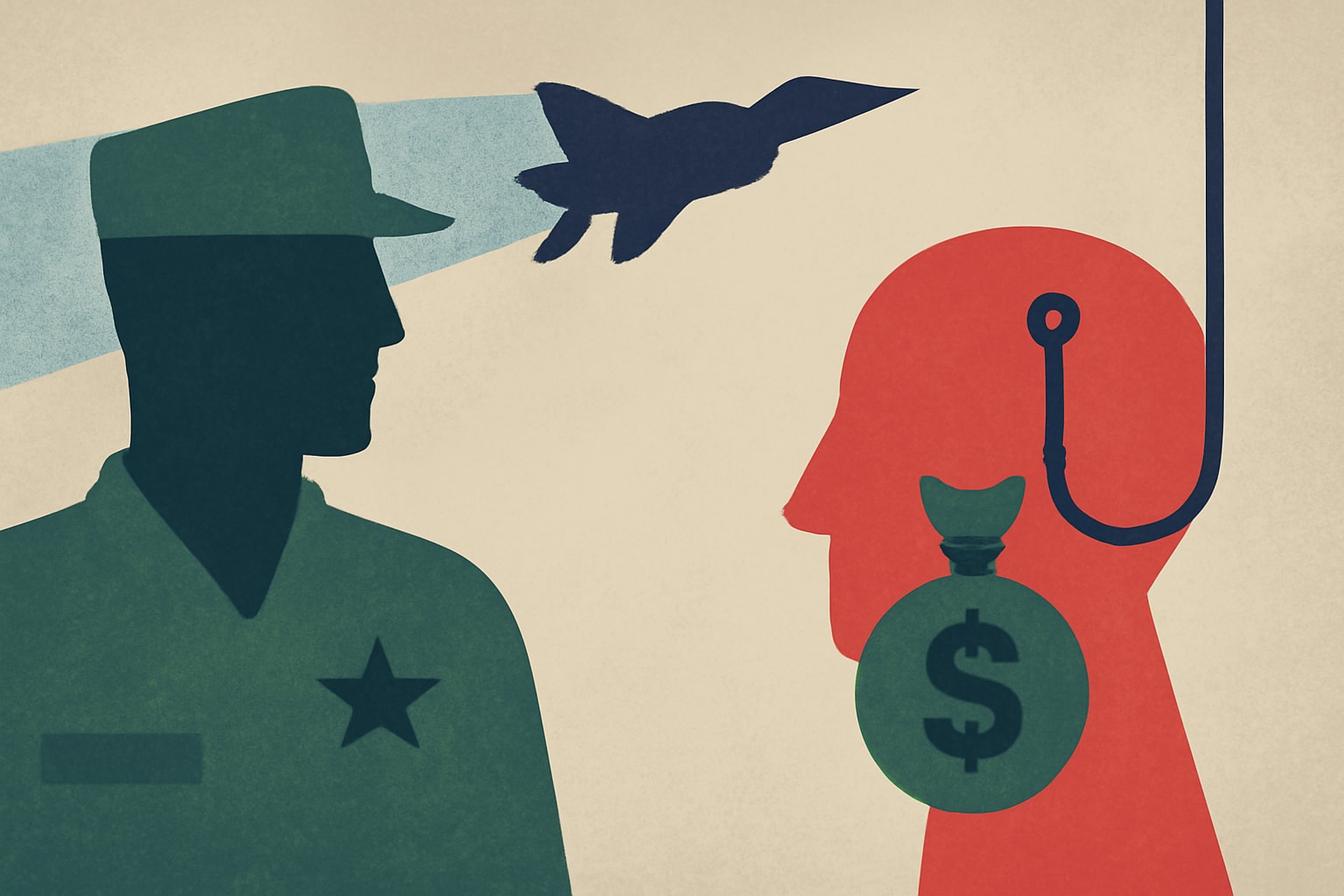
A sailor's father warns the military community about scams costing service members thousands.
What's Happening
- •A sailor lost thousands of dollars to a scam that exploited his goodwill.
- •The scam involved fraudulent requests for financial help from supposed charities.
- •Military members are increasingly targeted due to their willingness to assist others.
Why It Matters
Scams targeting military personnel can lead to significant financial losses, impacting not only the individuals involved but also their families and communities. As service members often have a strong sense of duty and willingness to help, they may be particularly susceptible to these fraudulent schemes, making awareness and education essential.
What Changes Now
- •Service members should increase their vigilance regarding unsolicited financial requests. This means verifying the legitimacy of any charity before engaging in financial transactions.
- •Military support organizations may enhance their educational resources on identifying scams. This will help ensure that service members have the tools they need to protect themselves.
- •Commanding officers may implement briefings on financial security and scam awareness. These briefings will be essential in educating troops about the risks they face.
What to Watch
- •The FTC will continue to monitor and report on scams targeting military personnel. Keeping an eye on their updates can provide critical information on emerging threats.
- •Military installations may develop new training programs focused on financial literacy and scam prevention. This could be rolled out in the coming months as awareness grows.
- •Community forums may see increased discussions about personal experiences with scams. Engaging in these conversations can help spread awareness and educate others.
Get the Daily Briefing
Military and veteran news that actually affects you, in your inbox each morning.
More Context
- •Understanding the Scam: Scammers are increasingly targeting military personnel by posing as charitable organizations seeking donations. They often craft convincing stories that appeal to the goodwill of service members, making it difficult for individuals to discern their legitimacy. In this case, the sailor's father shared that his son was approached online by someone claiming to represent a charity, leading to a significant financial loss. This type of scam preys on the values of service members, who are often eager to help those in need.
- •Who is Affected?: Active-duty service members, particularly those in the E-4 to E-6 ranks, are prime targets for these scams. This demographic often includes younger individuals with limited financial experience, making them vulnerable to manipulation. Additionally, veterans and military families may also be at risk, as they may still have connections to military networks and a strong desire to support charitable causes. Awareness of these scams is crucial for all members of the military community.
- •Practical Steps to Protect Yourself: To safeguard against scams, service members should verify the legitimacy of any organization before providing personal information or financial assistance. This can be done by checking the charity's registration status through websites like Charity Navigator or the Better Business Bureau. Furthermore, military personnel should be cautious of unsolicited requests for donations, especially those made through social media or email. If a request seems suspicious, it is always best to consult with a superior or report it to the appropriate authorities.
- •What to Watch For: Military members should stay informed about the latest scams targeting their community. The Federal Trade Commission (FTC) regularly updates its website with information on current scams, which can be a valuable resource. Additionally, service members should be aware of any changes in policies regarding charitable contributions that may arise from these incidents. Keeping an eye on community forums and military support groups can also provide insights into emerging threats.
Frequently Asked Questions
How can I verify a charity is legitimate?
You can check a charity's registration status through websites like Charity Navigator or the Better Business Bureau.
What should I do if I suspect a scam?
Report the suspicious activity to your commanding officer or the appropriate authorities immediately.
Are there specific scams targeting military families?
Yes, many scams specifically target military families, often exploiting their desire to support charitable causes.
The Daily Briefing
Military & veteran news that actually affects you — delivered every morning.
- Pay, benefits & policy changes
- Pentagon decisions that matter
- VA updates for veterans & families
- One email. No spam. Unsubscribe anytime.
Related Stories
- Navy Reorganizes Public Works Team to Speed Up Repairs— Federal News Network
- Pentagon Introduces New Warfighter Evaluation for Officer Promotions— Military Times
- Pentagon and Lockheed Martin Sign Framework Deal to Boost AIM-260 Production— Military Times
- Iran War Costs U.S. Military $38 Billion, Depletes Missile Interceptors— Defense News