Scammers Targeting Military Goodwill: A Warning for Service Members
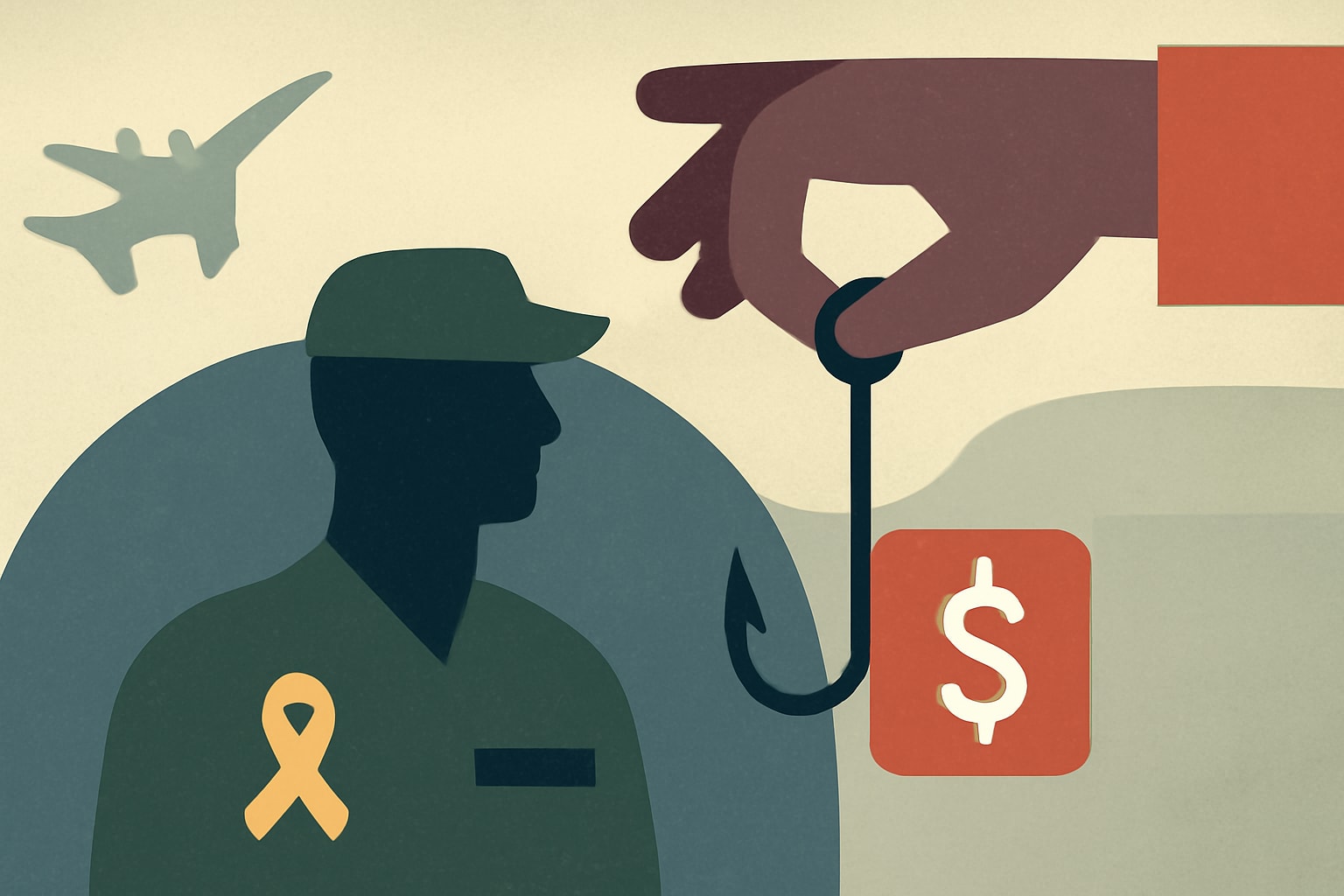
A father warns the military community about scams exploiting service members' kindness.
What's Happening
- •A sailor's father warns about a scam that cost his son thousands of dollars.
- •Scammers are increasingly targeting military personnel, exploiting their goodwill.
- •The scam involves fraudulent requests for financial help, often disguised as charitable acts.
Why It Matters
Scams targeting military personnel can lead to significant financial losses and emotional distress. Understanding these threats is crucial for service members and their families to protect their hard-earned resources and maintain trust within their community.
What Changes Now
- •Service members are encouraged to be more cautious with financial requests. This change is vital as it can help prevent financial loss and emotional distress.
- •Military leadership may increase awareness campaigns about scams targeting personnel. These campaigns will provide essential information on how to identify and report fraudulent activities.
- •Resources for reporting scams may be more readily available through official military channels. This accessibility can empower service members to take action against fraud.
What to Watch
- •Increased reports of scams targeting military members are expected. This trend indicates that service members should remain vigilant and informed about potential threats.
- •Upcoming military community events may attract scammers posing as charitable organizations. Awareness during these events is crucial to prevent exploitation of goodwill.
- •Official military communications may include updates on known scams and prevention strategies. Monitoring these updates can help service members stay informed.
Get the Daily Briefing
Military and veteran news that actually affects you, in your inbox each morning.
More Context
- •Understanding the Scam: Recent reports indicate a rise in scams targeting military personnel, particularly those in the Navy. These scams often involve individuals posing as 'Good Samaritans' seeking financial assistance for various causes. Victims are typically approached through social media or online platforms, where they are manipulated into sending money under false pretenses. This specific case involved a sailor who lost a significant amount of money after being deceived by someone claiming to need urgent help.
- •Who Is Most Affected?: Active-duty sailors, particularly those in the E-4 to E-6 rank range, are among the most vulnerable to these scams. These individuals often have limited financial experience and may be more trusting of requests for help. Additionally, junior enlisted service members with families may feel pressured to assist others, making them prime targets for scammers. The emotional toll of these scams can be significant, leading to financial strain and distrust within the military community.
- •Practical Steps to Protect Yourself: Service members should remain vigilant and skeptical of unsolicited requests for financial assistance. It is crucial to verify the legitimacy of any requests before sending money. Resources like the Navy's Fraud Prevention website can provide guidance on identifying scams. Additionally, service members should report any suspicious activity to their chain of command and local law enforcement. Keeping personal information secure and being cautious with online interactions can also help mitigate risks.
- •What to Watch For: Service members should be aware of the increasing frequency of these scams, particularly as social media usage rises. Upcoming military community events may also see scammers attempting to exploit goodwill during charitable drives. Monitoring official military communications can provide updates on known scams and prevention strategies. Awareness campaigns may be launched to educate service members on recognizing and reporting fraudulent activities.
Frequently Asked Questions
How can I verify a financial request I receive?
Always check the source of the request and look for official verification through military channels.
What should I do if I think I've been scammed?
Report the incident to your chain of command and local law enforcement immediately.
Are there resources for learning about scams targeting military personnel?
Yes, the Navy's Fraud Prevention website offers guidance on identifying and avoiding scams.
Veteran Take
For those who've served, the bonds of camaraderie and goodwill are strong, but they also make us targets for those looking to exploit our kindness. Veterans navigating this landscape need to stay vigilant and share information about these scams within our community to protect each other. It's a harsh reminder that while we fight for our country, we must also guard against those who would take advantage of our trust.
The Daily Briefing
Military & veteran news that actually affects you — delivered every morning.
- Pay, benefits & policy changes
- Pentagon decisions that matter
- VA updates for veterans & families
- One email. No spam. Unsubscribe anytime.
Related Stories
- Newly Commissioned Coast Guard Cutter Named After 9/11 First Responder— Military.com
- Pentagon Introduces Targeted Legal Relief for UAP Whistleblowers— DefenseScoop
- U.S. and Iran Engage in Major Attacks on Shipping Assets— Navy Times
- Guardsman Arrested After Pointing Loaded Pistol Over Grooming Rules— Military Times