The Ghost Army: How Inflatable Tanks and Fake Signals Fooled the Germans
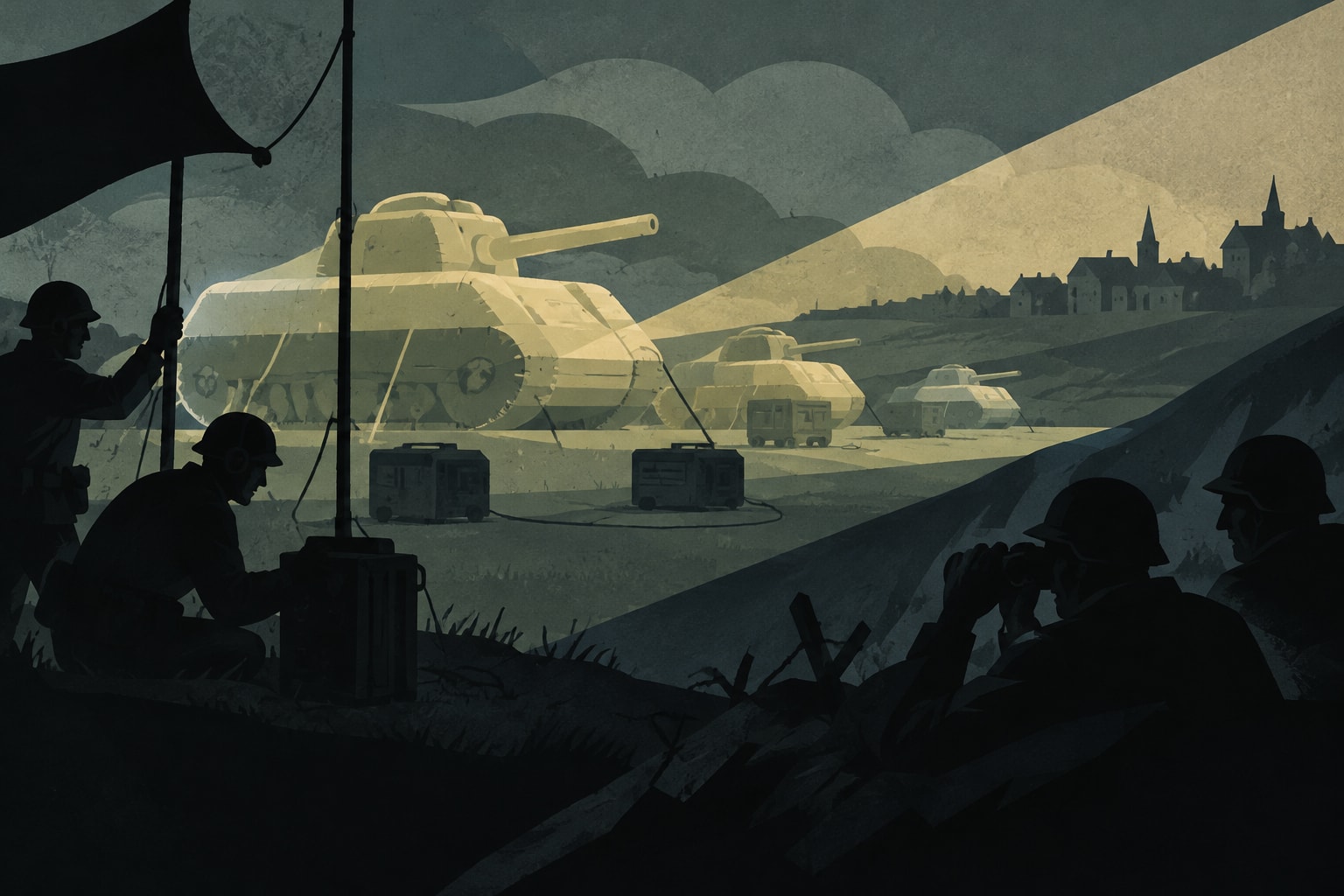
The Ghost Army executed elaborate deceptions in WWII, using inflatable tanks and fake radio traffic to mislead German forces.
What's Happening
- •The Ghost Army conducted 21 full-scale deception operations in Europe during WWII.
- •In March 1945, they impersonated two complete American divisions.
- •Their tactics included inflatable tanks and fake radio communications to mislead enemy forces.
Why It Matters
Understanding the Ghost Army's operations provides insight into the evolution of military tactics and the importance of deception in warfare. For service members and veterans, these lessons underscore the value of creativity and adaptability in addressing complex challenges on the battlefield.
What Changes Now
- •The recognition of the Ghost Army's contributions has led to increased interest in military deception tactics. This may influence how current military training incorporates lessons from historical operations.
- •The legacy of the Ghost Army is being integrated into military education programs. This ensures that new generations of service members learn about innovative strategies that can be applied in modern warfare.
- •Increased public interest may lead to more historical research and documentation of the Ghost Army's operations. This could provide valuable resources for veterans and historians alike.
What to Watch
- •Upcoming documentaries and publications about the Ghost Army are expected to be released in the next year. These will provide deeper insights into their operations and impact.
- •The military may begin to incorporate more historical case studies into training programs. This could enhance the understanding of deception tactics among current service members.
- •Potential memorials or recognition events for the Ghost Army may be planned in the coming years. These events would honor the contributions of its members and educate the public about their significance.
Get the Daily Briefing
Military and veteran news that actually affects you, in your inbox each morning.
More Context
- •The Origins of the Ghost Army: The Ghost Army, officially known as the 23rd Headquarters Special Troops, was formed in 1944. This unique unit was comprised of artists, designers, and sound engineers who were tasked with creating elaborate deception strategies to mislead German forces. Their operations were crucial in diverting enemy attention and resources, ultimately contributing to the success of Allied operations in Europe.
- •Innovative Deception Tactics: The Ghost Army employed a range of innovative tactics, including inflatable tanks, sound effects, and fake radio transmissions. By using inflatable tanks and artillery, they created the illusion of large troop movements, which often misled German commanders about the location and strength of Allied forces. These operations not only confused the enemy but also allowed actual troops to maneuver more effectively on the battlefield.
- •Impact on Military Strategy: The success of the Ghost Army had a lasting impact on military deception strategies. Their operations demonstrated the effectiveness of psychological warfare and the importance of misleading the enemy to achieve tactical advantages. As a result, modern military tactics often incorporate deception elements, ensuring that the lessons learned from the Ghost Army continue to influence military operations today.
- •Legacy and Recognition: Despite their significant contributions, the Ghost Army remained largely unrecognized for decades after the war. It wasn't until the 1990s that their story began to gain public attention, leading to efforts to honor their service and contributions. Today, the Ghost Army is celebrated not only for their innovative tactics but also for the diverse backgrounds of its members, highlighting the importance of creativity in military operations.
Frequently Asked Questions
What specific tactics did the Ghost Army use?
The Ghost Army used inflatable tanks, sound effects, and fake radio transmissions to create the illusion of large troop movements.
How did the Ghost Army impact WWII outcomes?
Their deception operations misled German forces, allowing Allied troops to maneuver more effectively and contribute to the success of military campaigns.
Are there any current military applications of their tactics?
Yes, modern military strategies still incorporate deception elements, drawing lessons from the Ghost Army's innovative approaches.
The Daily Briefing
Military & veteran news that actually affects you — delivered every morning.
- Pay, benefits & policy changes
- Pentagon decisions that matter
- VA updates for veterans & families
- One email. No spam. Unsubscribe anytime.
Related Stories
- Essential Etiquette for Attending the Marine Corps Birthday Ball— Military.com
- Air Force Launches Free Wi-Fi for Airmen in Dormitories— Federal News Network
- Industry Pushes Back on DoD’s Proposed Rules for Moving Programs— Federal News Network
- Navy Tests New Camera System to Detect Sailors Overboard— Task & Purpose