Germany Scraps F126 Frigate Program, Shifts to MEKO Warships
Germany's Navy pivots from the troubled F126 frigate program to MEKO warships to meet NATO deadlines amid rising costs and contractor chaos.
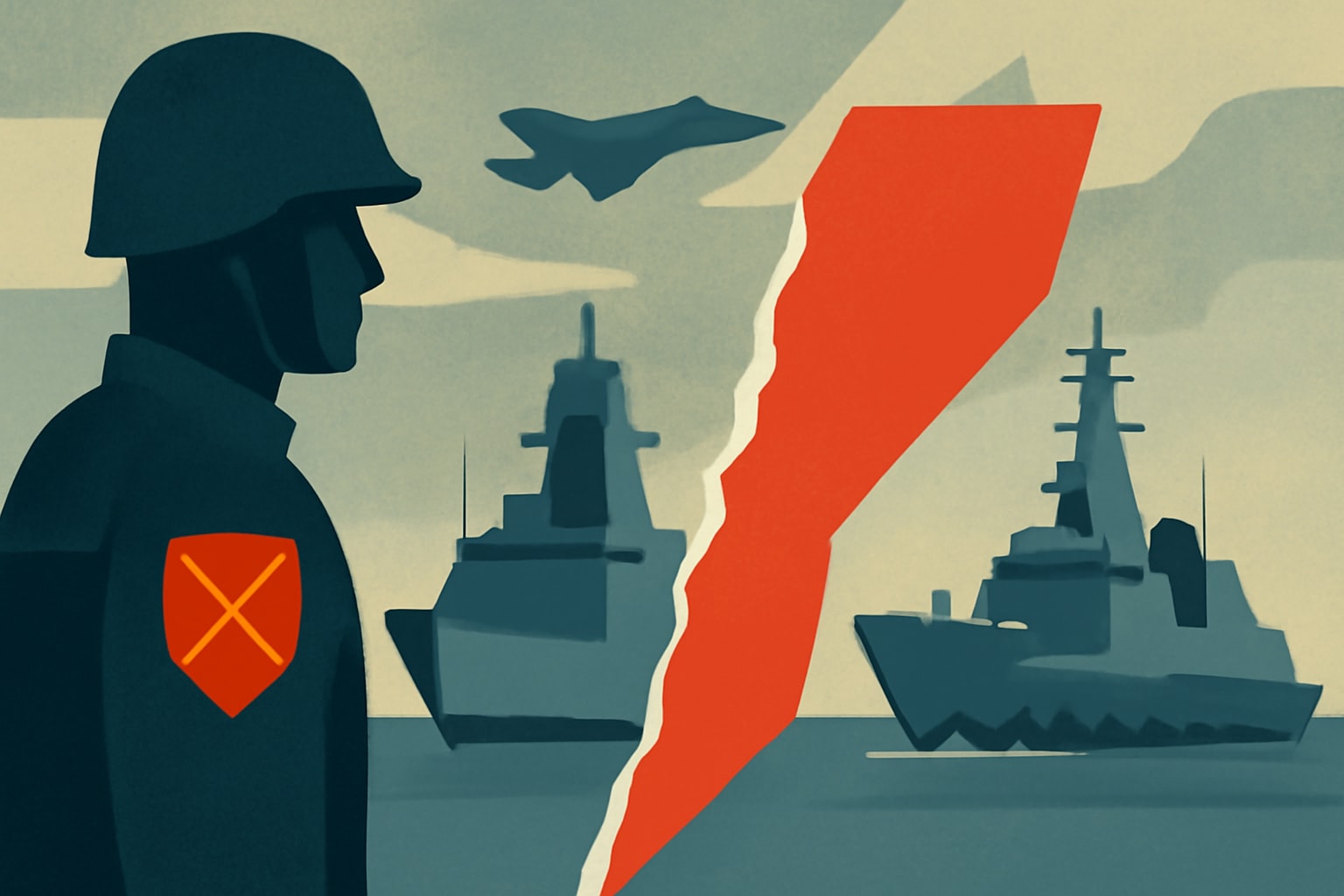
What's Happening
- •Germany has officially canceled its F126 frigate program.
- •The German Navy will now focus on acquiring MEKO warships.
- •This decision is driven by rising costs and contractor issues.
- •NATO capability requirements must be met by an upcoming deadline.
- •The shift aims to ensure operational readiness for NATO commitments.
Why It Matters
The cancellation of the F126 frigate program and the shift to MEKO warships is a significant move for Germany, impacting NATO's collective defense posture. For military personnel, this transition may lead to changes in training and operational readiness, emphasizing the importance of adaptability in a rapidly evolving security environment.
What Changes Now
- •Germany's Navy will begin the process of acquiring MEKO warships immediately. This transition is expected to streamline operations and enhance NATO readiness.
- •Active duty sailors will undergo new training programs to familiarize themselves with MEKO systems. This training will be critical to ensure operational effectiveness once the vessels are integrated.
- •Logistical and operational plans will be revised to accommodate the new fleet structure. This may affect deployment schedules and resource allocation within the Navy.
What to Watch
- •The timeline for the delivery of MEKO warships is yet to be finalized. This will be crucial for assessing how quickly Germany can enhance its naval capabilities.
- •NATO's response to Germany's shift will be monitored closely, particularly regarding collective defense strategies. Decisions made in upcoming NATO meetings could influence resource allocation.
- •Future training programs for sailors will be developed based on the MEKO's capabilities. The effectiveness of these programs will be vital for operational readiness.
Get the Daily Briefing
Military and veteran news that actually affects you, in your inbox each morning.
More Context
- •Background on the F126 Frigate Program: The F126 frigate program was initially designed to enhance Germany's naval capabilities, focusing on advanced technology and multi-role functionality. However, the program faced significant delays and budget overruns, leading to questions about its viability. With NATO's increasing demands for maritime readiness, Germany's leadership recognized the urgent need to pivot to a more reliable option.
- •Transition to MEKO Warships: The MEKO class of warships has been praised for its adaptability and proven track record in various naval operations. By transitioning to MEKO vessels, Germany aims to ensure that its naval forces can meet NATO's operational standards without further delays. The decision reflects a strategic shift towards more established platforms that can be delivered in a timely manner.
- •Implications for NATO and Military Readiness: Germany's pivot to MEKO warships is significant for NATO's collective defense strategy, particularly in light of increasing geopolitical tensions. The change is expected to bolster Germany's maritime capabilities, allowing for better integration with allied forces. As NATO faces evolving threats, Germany's commitment to enhancing its naval fleet is crucial for maintaining regional stability.
- •What This Means for Service Members: Active duty personnel in naval roles, particularly those in logistics and operations, may see changes in their training and deployment schedules as the MEKO ships are integrated into the fleet. Additionally, sailors may require new training programs to familiarize themselves with the MEKO's systems and capabilities. This transition could also influence future recruitment and retention strategies within the German Navy.
Frequently Asked Questions
Does this affect Guard members on Title 10 orders?
Yes, the transition to MEKO warships may influence training and deployment for all naval personnel, including those on Title 10 orders.
Will my BAH change if I move duty stations mid-year?
Changes in duty stations typically do not affect Basic Allowance for Housing (BAH) unless you are moving to a location with a different BAH rate.
Veteran Take
For those who've served, the cancellation of the F126 frigate program highlights the challenges of military procurement and the need for flexibility in defense strategies. Veterans navigating this will understand that shifts in program priorities can directly impact operational readiness and training, reminding us of the ever-changing landscape of military needs. It's crucial for NATO allies to adapt quickly, as our collective security depends on the ability to respond effectively to emerging threats.
The Daily Briefing
Military & veteran news that actually affects you — delivered every morning.
- Pay, benefits & policy changes
- Pentagon decisions that matter
- VA updates for veterans & families
- One email. No spam. Unsubscribe anytime.
Related Stories
- FEDVIP Dental Premiums to Rise 1%, Vision Premiums by 1.6% for 2027— Military.com
- Pentagon Threatens Universities Over Foreign Ties, Considers Audits— DefenseScoop
- Army Adopts Venture Capital Strategies to Accelerate Tech Acquisition— Federal News Network
- DISA Faces Another Protest Over Enclave Contract Expansion— Federal News Network