German Government Attributes Failed Drone Attack to Russia
Berlin concludes that Russia was behind the explosive drone attack on Leipzig/Halle Airport, raising security concerns.
What's Happening
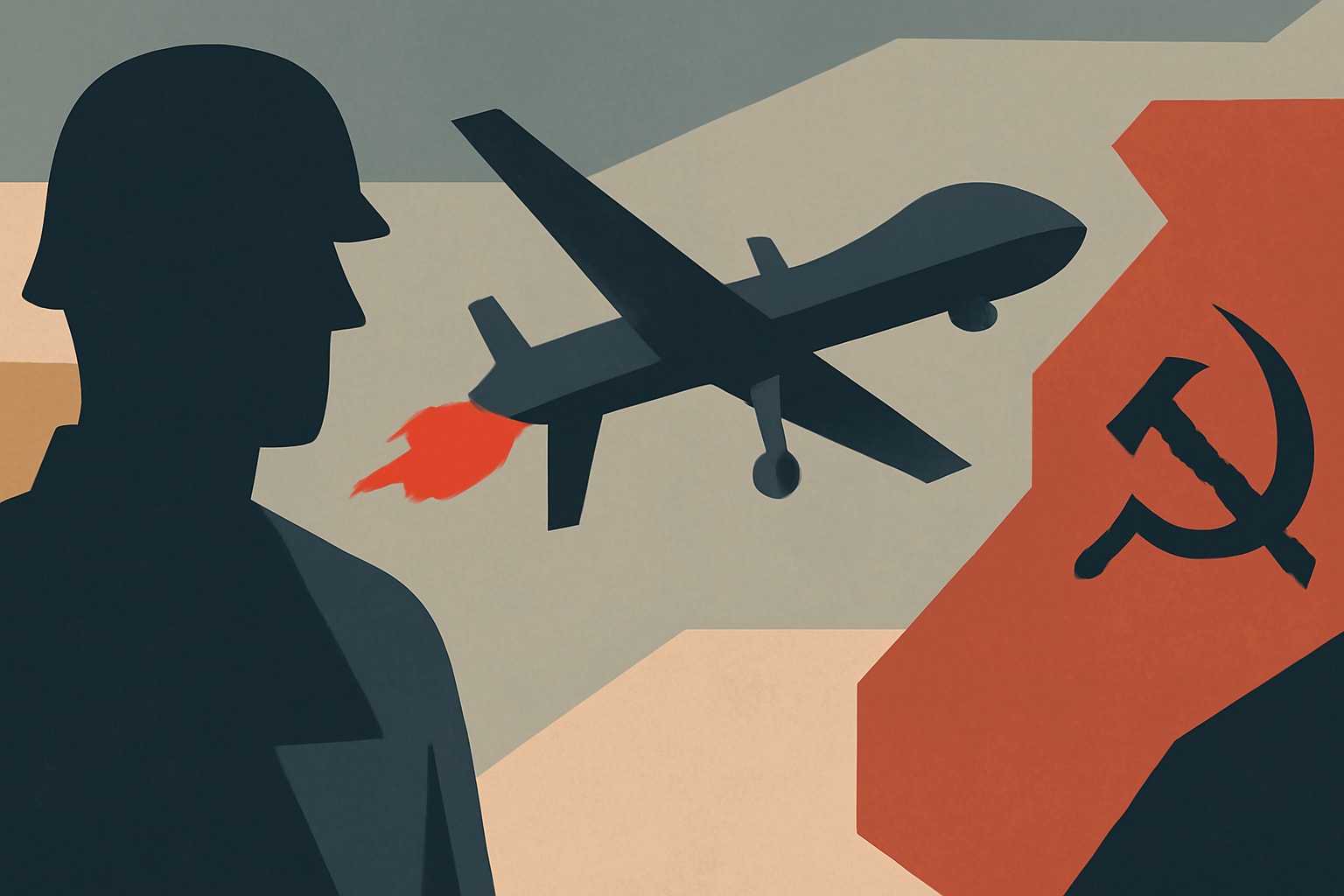
- •The German government has determined that Russia was responsible for a failed drone attack on Leipzig/Halle Airport.
- •The attack occurred last month and involved explosives, targeting a key transportation hub.
- •This incident has heightened security concerns in Germany and across Europe.
Why It Matters
This incident highlights the evolving nature of threats faced by military and civilian infrastructure, particularly from state actors like Russia. For service members and veterans, understanding these threats is crucial for maintaining readiness and ensuring the safety of military operations and personnel.
What Changes Now
- •Germany is likely to implement enhanced security measures at airports and military installations. These measures will include increased surveillance and stricter access controls to mitigate future threats.
- •NATO forces may conduct joint exercises focused on drone defense strategies. This will help prepare service members for potential future incidents involving drone attacks.
- •Service members in affected areas should remain vigilant and report any suspicious activities. Awareness and proactive reporting can help prevent similar incidents.
What to Watch
- •Monitor announcements from the German government regarding security upgrades. These updates will provide insight into how military and civilian infrastructures will adapt to the new threat landscape.
- •Watch for NATO's response to the incident, including possible joint military exercises. These exercises may be scheduled in the coming months to strengthen defense against drone threats.
- •Keep an eye on intelligence reports about Russian military activities in the region. Understanding these movements can inform service members and families about potential risks.
Get the Daily Briefing
Military and veteran news that actually affects you, in your inbox each morning.
More Context
- •Details of the Attack: The drone attack on Leipzig/Halle Airport was a significant incident that raised alarms about security vulnerabilities in Germany. Authorities reported that the drone was equipped with explosives, although the attack ultimately failed. This incident underscores the growing trend of using drones in asymmetric warfare, which can pose unique challenges for traditional military defenses.
- •Implications for Military Readiness: The attribution of the attack to Russia has implications for military readiness across Europe. NATO forces, especially those stationed in Eastern Europe, may need to reassess their operational security protocols. Active duty soldiers, particularly those in intelligence and security roles, must remain vigilant as tensions escalate and the threat landscape evolves.
- •Response from German Authorities: In response to the attack, German authorities are likely to enhance security measures at critical infrastructure sites, including airports and military installations. This may involve increased surveillance, more stringent access controls, and collaboration with NATO allies to share intelligence on drone threats. Service members and military families should stay informed about potential changes to security protocols that could affect travel and access to military facilities.
Frequently Asked Questions
Does this affect Guard members on Title 10 orders?
Yes, Guard members on Title 10 orders may find their operational security protocols adjusted in light of the heightened threat from drone attacks.
Will my BAH change if I move duty stations mid-year?
Your Basic Allowance for Housing (BAH) may change if you move duty stations, as it is based on the cost of living in your new location.
The Daily Briefing
Military & veteran news that actually affects you — delivered every morning.
- Pay, benefits & policy changes
- Pentagon decisions that matter
- VA updates for veterans & families
- One email. No spam. Unsubscribe anytime.
Related Stories
- Marine Corps Establishes Its First Medium-Range Missile Battalion— Task & Purpose
- Golden Dome Task Force Aims to Strengthen U.S. Defense Against Attacks— Air & Space Forces Magazine
- Trump Highlights $3.7 Billion Defense Project in Maryland— Military.com
- SpaceX's Starshield Restrictions Hamper Military Operations in Ukraine— Military Times