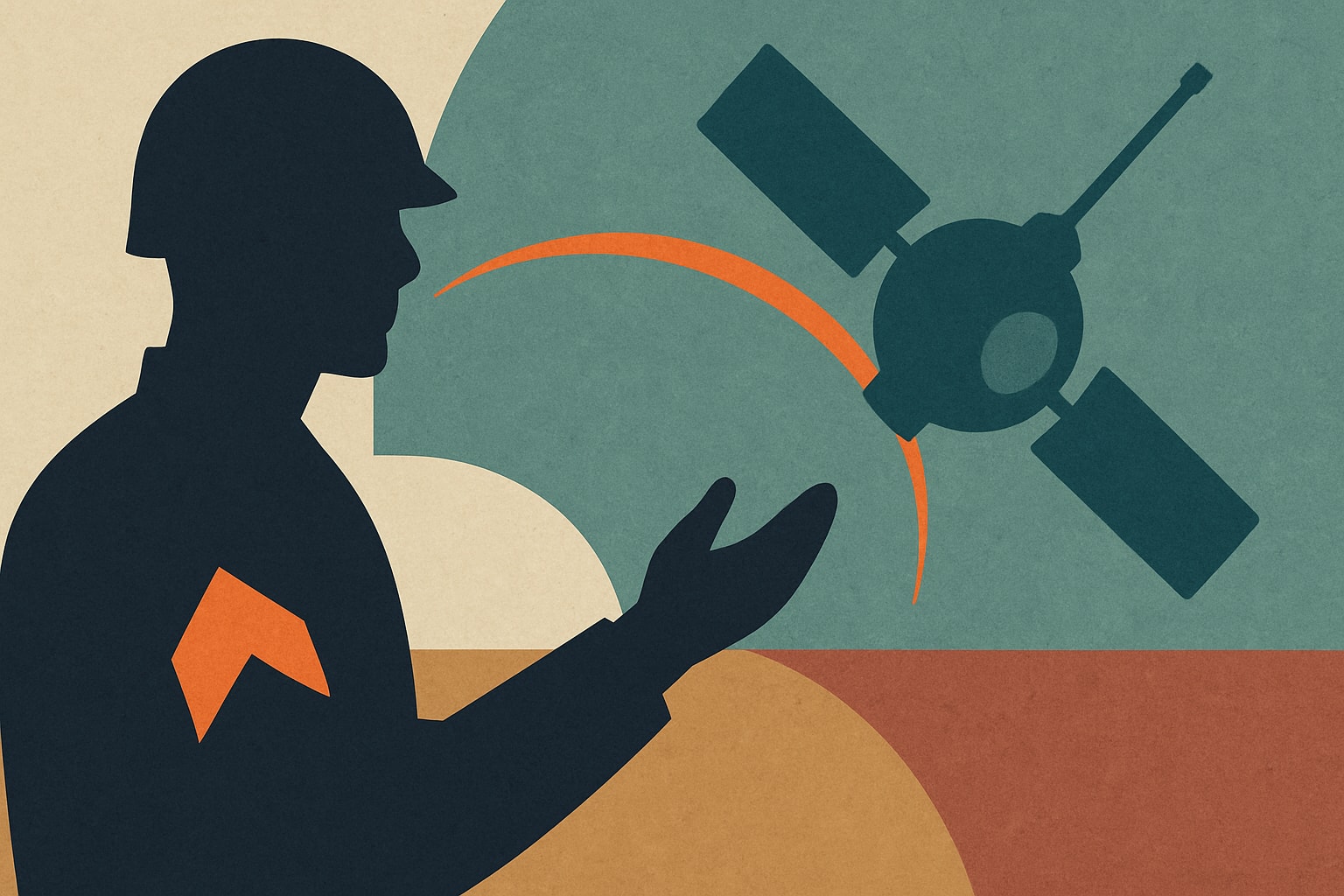
Future Military Satellites Could Operate Like Human Teammates
A former space commander discusses the potential for AI and autonomy to transform military satellite operations.
What's Happening
- •Former space commander highlights the potential of AI in military satellite operations.
- •Future satellites may function more like teammates rather than mere tools.
- •Orbital logistics and autonomy are key factors in this transformation.
Why It Matters
The evolution of military satellite technology has direct implications for operational effectiveness and national security. As AI and autonomy become integral to satellite functions, service members may find themselves working alongside these advanced systems, requiring new skills and training.
What Changes Now
- •The military is exploring how AI can enhance satellite operations. This will likely lead to new training requirements for personnel in technical roles.
- •Future satellite designs may prioritize autonomous functionality. This means service members will need to be prepared for new operational protocols and technologies.
- •The integration of AI into satellite systems will change how military units coordinate. Service members will need to understand these changes to maintain operational readiness.
What to Watch
- •The Department of Defense is expected to release new guidelines on AI integration in satellite operations by 2028. This will outline the training and operational changes needed for service members.
- •Upcoming military exercises may incorporate AI-driven satellite systems. Observing these exercises will provide insights into how these technologies are being implemented in real-world scenarios.
- •Future defense budgets will likely reflect increased investment in AI and satellite technology. Tracking these budget proposals will indicate the military's commitment to advancing these capabilities.
Get the Daily Briefing
Military and veteran news that actually affects you, in your inbox each morning.
More Context
- •The Role of AI in Military Satellites: Artificial Intelligence (AI) is poised to revolutionize how military satellites operate. Traditionally, satellites have been viewed as tools for communication and surveillance, but advancements in AI could enable them to make autonomous decisions and adapt to changing conditions in real time. This shift could enhance operational efficiency and effectiveness, allowing military units to respond more rapidly to threats and challenges.
- •Orbital Logistics and Teamwork: Orbital logistics refers to the management of satellite operations in space, including deployment, maintenance, and coordination. With future satellites potentially acting as teammates, they could work collaboratively with ground forces and other assets, sharing data and insights seamlessly. This interconnectedness could lead to improved situational awareness for commanders and better-informed decision-making in critical situations.
- •Implications for Service Members: The integration of AI and autonomous systems into military satellite operations will have significant implications for service members, particularly those in technical roles. Air Force 1C3X1 (Command and Control Battle Management Operations) and Navy 628X (Cryptologic Technician) personnel may need to adapt to new technologies and workflows. Training programs will likely evolve to ensure that service members can effectively operate and maintain these advanced systems.
- •What to Expect in the Coming Years: As the military explores the integration of AI into satellite operations, service members should stay informed about upcoming changes. The Department of Defense is expected to release guidelines and training programs related to these advancements in the next few years. Keeping abreast of these developments will be crucial for those in affected roles, ensuring they are prepared for the future landscape of military operations.
Frequently Asked Questions
Will my role change if I work with satellite systems?
Yes, roles may evolve to include new responsibilities related to AI and autonomous operations.
What training will be available for new satellite technologies?
The military is expected to develop updated training programs focusing on AI integration and operational protocols.
How will this affect satellite communication?
AI could enhance communication efficiency, allowing for quicker data sharing and decision-making.
Veteran Take
For those who've served, the integration of AI into military satellite operations represents a significant shift in how we approach our missions. We understand that adapting to new technologies is essential, but it also means we need to be prepared for the challenges that come with working alongside machines. Veterans navigating this will likely need to embrace continuous learning and upskilling to ensure we remain effective in a rapidly evolving landscape.
The Daily Briefing
Military & veteran news that actually affects you — delivered every morning.
- Pay, benefits & policy changes
- Pentagon decisions that matter
- VA updates for veterans & families
- One email. No spam. Unsubscribe anytime.
Related Stories
- FEDVIP Dental Premiums to Rise 1%, Vision Premiums by 1.6% for 2027— Military.com
- Pentagon Threatens Universities Over Foreign Ties, Considers Audits— DefenseScoop
- Pentagon Seeks Expertise to Develop Brain Injury Assessment Standards— Defense News
- US Army Unveils New Warfare Guidance with Four Key Pillars— Defense News