Japan's Arms Buildup: Auto Suppliers Transition to Defense Contracting
Japan's shift from pacifism to defense contracting is reshaping its auto industry, with implications for military readiness.
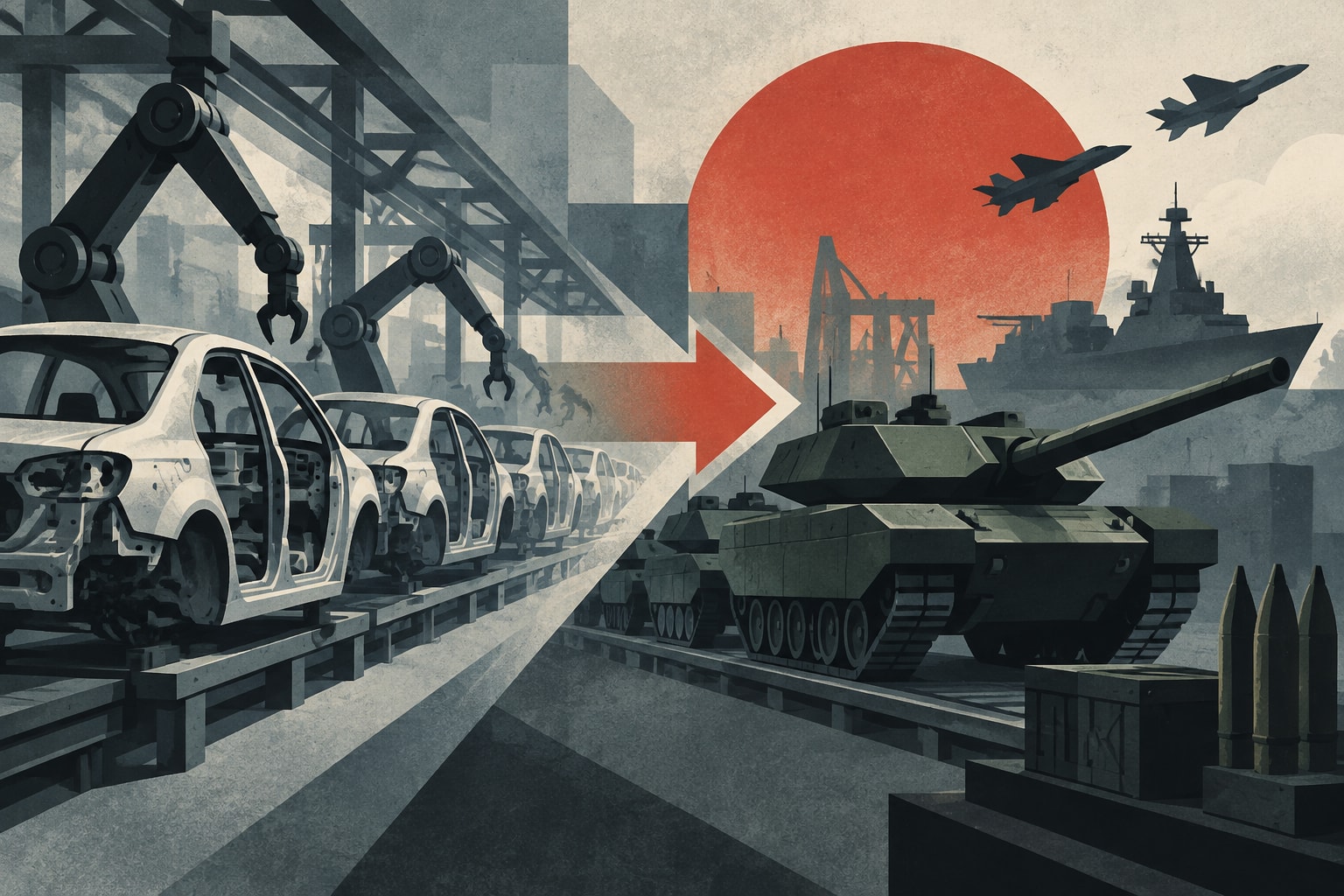
What's Happening
- •Japan is increasing its defense spending and shifting from a pacifist stance to a more proactive military posture.
- •Auto suppliers are being drawn into defense contracting to support this arms buildup.
- •Companies like Aster are pivoting from traditional automotive manufacturing to producing military technology.
Why It Matters
Japan's shift towards a more militarized stance has profound implications for both regional security and the global defense landscape. For military personnel and veterans, the transition of auto suppliers into defense contracting could create new job opportunities and enhance the effectiveness of military operations.
What Changes Now
- •Japan's defense spending is set to increase significantly. This change is crucial as it may lead to enhanced military capabilities and readiness for active-duty personnel.
- •Auto manufacturers are now entering the defense sector, diversifying their production lines. This shift could create job opportunities for veterans transitioning to civilian roles in defense-related industries.
- •The government is prioritizing the development of advanced military technologies. This focus may result in new training programs for service members to adapt to modernized equipment.
What to Watch
- •Watch for announcements regarding Japan's defense budget for the upcoming fiscal year. This budget will determine the level of investment in new military technologies and capabilities.
- •Keep an eye on partnerships between auto suppliers and defense contractors. These collaborations will shape the future of military equipment and technology.
- •Monitor the response from regional neighbors to Japan's military expansion. Their reactions could influence security dynamics in the Asia-Pacific region.
Get the Daily Briefing
Military and veteran news that actually affects you, in your inbox each morning.
More Context
- •Japan's Shift in Defense Policy: Japan's historical commitment to pacifism is undergoing a significant transformation as the nation faces evolving security threats in the Asia-Pacific region. This shift has resulted in a marked increase in defense spending, with the government aiming to bolster its military capabilities. The new policy not only reflects Japan's response to regional tensions, particularly from North Korea and China, but also signifies a broader acceptance of military engagement as a necessary component of national security.
- •Role of Auto Suppliers in Defense: The integration of auto suppliers into defense contracting marks a notable change in Japan's industrial landscape. Companies that once focused solely on vehicle production are now exploring opportunities in defense technology. For instance, Aster, a prominent auto manufacturer, has publicly stated its commitment to diversifying into military applications, emphasizing the lucrative potential of defense contracts. This trend could lead to a more robust defense industrial base in Japan, leveraging existing automotive expertise to enhance military capabilities.
- •Implications for Service Members and Veterans: As Japan expands its defense industry, active-duty service members and veterans may see changes in the types of equipment and technology being utilized. Enhanced military capabilities could lead to improved readiness and effectiveness in operations, directly impacting personnel in various branches. Additionally, veterans with experience in technology and engineering may find new opportunities in this burgeoning sector, aligning with their skills and experiences gained during service.
- •Future Developments to Monitor: The ongoing developments in Japan's defense contracting landscape warrant close attention from military and defense communities. Key decisions regarding defense budgets and contracts will be made in the coming months, particularly as Japan prepares for its next fiscal year. Service members and veterans should stay informed about how these changes may affect their roles and opportunities in the defense sector, especially as collaboration between automotive and defense industries deepens.
Frequently Asked Questions
How will this affect active-duty service members?
The shift towards defense contracting may lead to improved military capabilities, directly impacting the readiness and effectiveness of active-duty personnel.
Are there job opportunities for veterans in this new defense sector?
Yes, as auto suppliers transition to defense contracting, veterans with technical skills may find new job opportunities in this expanding industry.
What changes can we expect in military training?
With the introduction of new technologies, military training programs may be updated to ensure service members are proficient with advanced equipment.
The Daily Briefing
Military & veteran news that actually affects you — delivered every morning.
- Pay, benefits & policy changes
- Pentagon decisions that matter
- VA updates for veterans & families
- One email. No spam. Unsubscribe anytime.
Related Stories
- CSAF Wilsbach Emphasizes Readiness in First Year Message to Airmen— Air & Space Forces Magazine
- Airman Wins Culinary Competition, Dish Coming to Bases Soon— Air & Space Forces Magazine
- Innovative Battlefield Drones Aim to Save Lives on the Frontlines— Military Times
- New Tools for Troops to Combat Drone Threats— Military Times