Pentagon Reduces Religious Affiliation Codes from Over 200 to 31
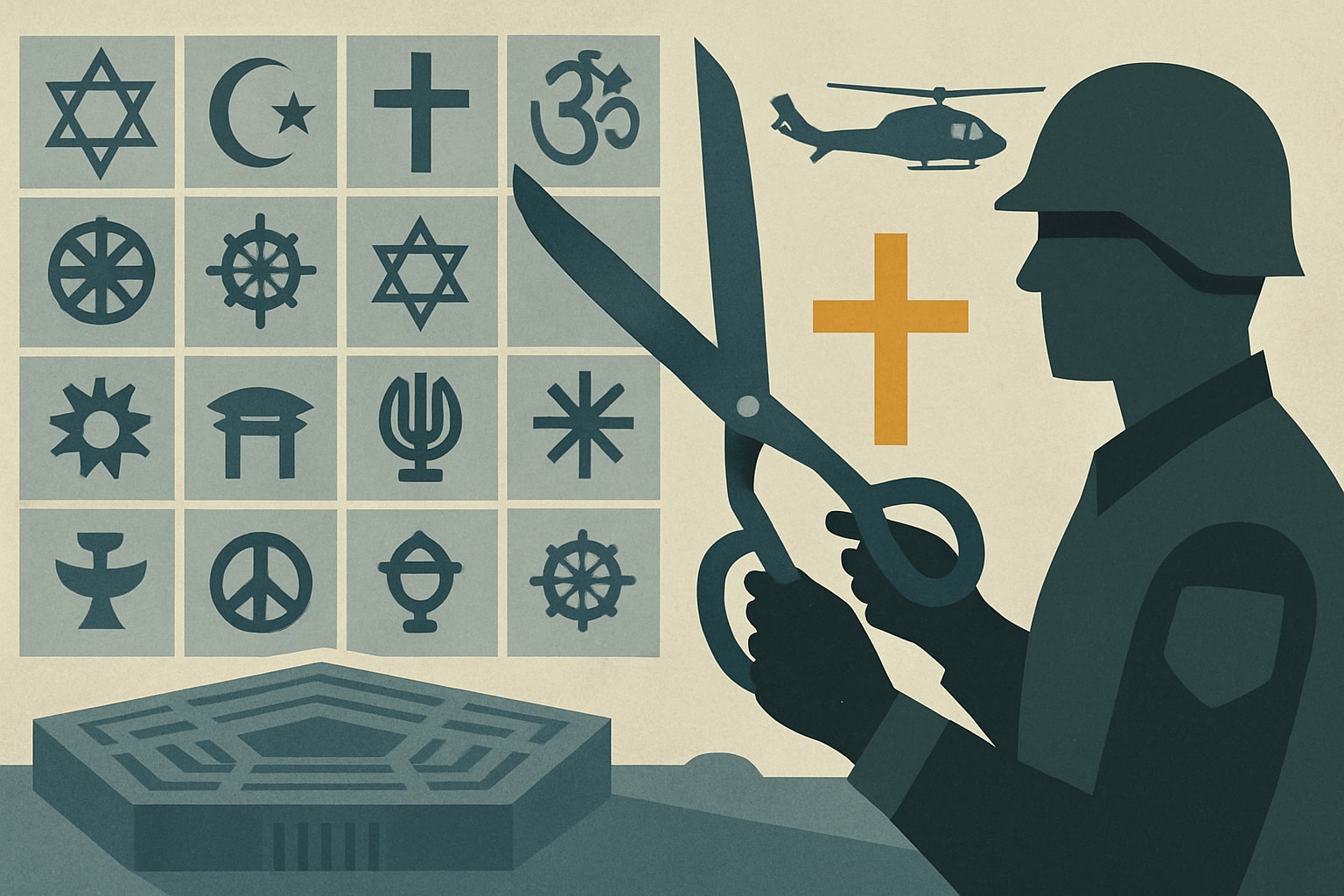
The Pentagon's recent decision to cut religious codes streamlines how the military tracks faith and shapes chaplain support.
What's Happening
- •The Pentagon has reduced the number of religious affiliation codes from over 200 to just 31.
- •This change is part of a broader effort to streamline how the military tracks religious adherence among service members.
- •The new codes will help shape the chaplain corps to better support the diverse needs of military personnel.
Why It Matters
The reduction in religious affiliation codes is significant for military personnel as it directly impacts how their spiritual needs are recognized and supported. This change aims to enhance the effectiveness of chaplain services, ensuring that service members receive appropriate spiritual care aligned with their beliefs.
What Changes Now
- •The number of religious affiliation codes has been reduced, which simplifies how service members report their faith. This change is intended to make it easier for chaplains to provide tailored support based on a more defined set of religious beliefs.
- •Chaplains will need to adapt their training and support services to align with the new codes. This may involve additional training to ensure they understand the implications of the changes for their ministry and support roles.
- •Service members may need to reassess how they communicate their religious affiliations. This is particularly important for those who previously identified with less common faiths that may no longer be represented.
What to Watch
- •Updates on the integration of the new codes into military systems are expected. These updates will clarify how the changes will affect reporting and support services for service members.
- •The Defense Secretary will likely provide further guidance on the implications of these changes for chaplaincy programs. This guidance will be crucial for understanding how spiritual care will evolve in the military.
- •Feedback from service members regarding the effectiveness of the new codes will be monitored. This feedback will play a vital role in shaping future policies related to religious support in the military.
Get the Daily Briefing
Military and veteran news that actually affects you, in your inbox each morning.
More Context
- •Understanding the Changes: The Pentagon's decision to narrow the religious affiliation codes from more than 200 to 31 marks a significant shift in how the military categorizes and supports its members' faiths. This consolidation aims to simplify the tracking of religious adherence, which is essential for ensuring that chaplains can effectively meet the spiritual needs of service members. The reduction in codes will likely lead to more focused resources and training for chaplains, allowing them to provide tailored support to a more defined set of beliefs.
- •Who is Affected?: Active duty service members across all branches, particularly those in leadership roles such as E-5 to E-9 non-commissioned officers, will feel the impact of this change. Chaplains and religious support personnel will need to adapt to the new codes, ensuring they are equipped to serve the spiritual needs of a diverse military population. Additionally, reserve components and National Guard members may also experience changes in how their religious affiliations are recorded and supported during their service.
- •Practical Implications of the Change: With the reduction in religious codes, service members should expect a more streamlined process when it comes to reporting their religious affiliation. This means that those who previously identified with less common faiths may need to reassess how they communicate their spiritual needs. Chaplains will also be tasked with understanding these changes and adapting their services accordingly, which may include training sessions to familiarize themselves with the new codes and their implications for spiritual care.
- •What to Watch Going Forward: As the Pentagon implements these changes, service members should monitor any updates regarding the new codes and how they will be integrated into existing systems. The Defense Secretary and military leadership will likely provide further guidance on how these changes affect chaplaincy programs and religious support services. Additionally, feedback from service members regarding the effectiveness of these new codes will be critical in shaping future policies.
Frequently Asked Questions
Does this affect Guard members on Title 10 orders?
Yes, the changes apply to all service members, including those in the National Guard on Title 10 orders.
Will my religious affiliation still be recognized?
Yes, your religious affiliation will still be recognized, but it will now fall under one of the 31 consolidated codes.
How will chaplains adapt to these changes?
Chaplains will undergo training to understand the new codes and how to better support service members under the revised system.
Veteran Take
For those who've served, the way our spiritual needs are recognized can deeply affect our well-being. Streamlining religious affiliation codes may seem like a bureaucratic change, but it holds real implications for how chaplains can support us. We need to ensure that this simplification truly translates into better, more personalized spiritual care for all service members, regardless of their beliefs.
The Daily Briefing
Military & veteran news that actually affects you — delivered every morning.
- Pay, benefits & policy changes
- Pentagon decisions that matter
- VA updates for veterans & families
- One email. No spam. Unsubscribe anytime.
Related Stories
- FEDVIP Dental Premiums to Rise 1%, Vision Premiums by 1.6% for 2027— Military.com
- Pentagon Threatens Universities Over Foreign Ties, Considers Audits— DefenseScoop
- U.S. Army Futures Command Renamed to Emphasize Modernization— Military Times
- New Debit Card Coming for Military’s Health Care Flexible Spending Accounts— Military.com