Forterra Partners with Hypercraft on Autonomous Vehicle for High-Risk Missions
The new Razorback ground vehicle integrates Forterra's AutoDrive technology, aimed at enhancing military operations.
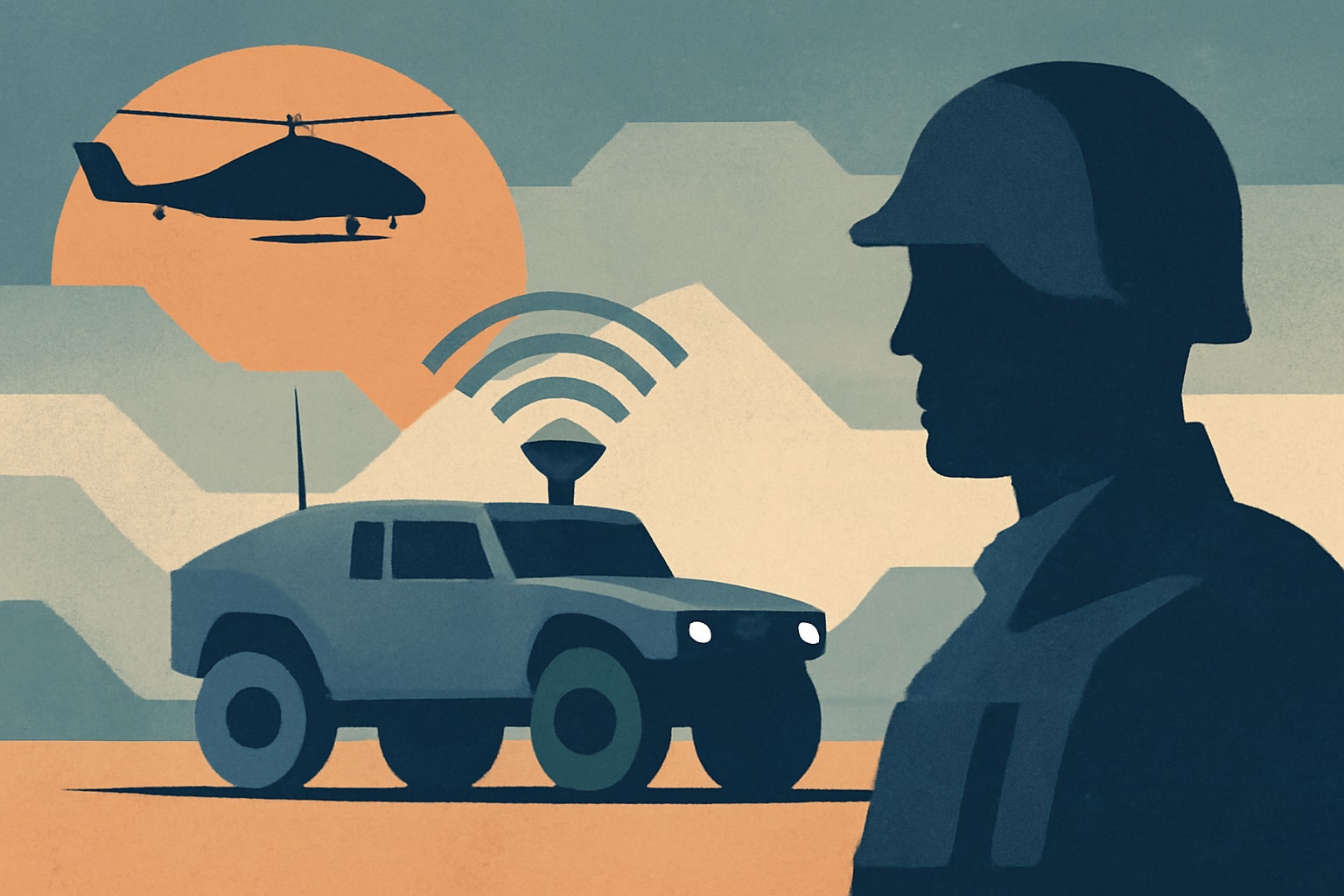
What's Happening
- •Forterra has partnered with Hypercraft to integrate AutoDrive technology into the Razorback vehicle.
- •The Razorback ground vehicle is designed for high-risk military missions.
- •This new technology was debuted at the recent AUSA conference.
Why It Matters
The development of the Razorback vehicle with autonomous capabilities directly impacts military operations by potentially reducing the risk to service members. As technology evolves, it is crucial for military personnel to understand how these advancements can affect their roles and responsibilities in the field.
What Changes Now
- •The introduction of the Razorback vehicle marks a shift towards more autonomous operations in the military. This change means that units may soon rely on these vehicles for high-risk missions, enhancing safety and efficiency.
- •Training programs will need to incorporate new protocols for operating autonomous vehicles. This will likely begin in the next fiscal year as the military evaluates the Razorback's performance.
- •Logistical operations may see immediate changes with the deployment of autonomous vehicles. Units may be tasked with integrating these technologies into their standard operating procedures.
What to Watch
- •The upcoming testing phase of the Razorback vehicle will provide critical data on its operational capabilities. This phase is expected to begin within the next six months and will inform future military procurement decisions.
- •Military leaders will assess the impact of autonomous vehicles on current training programs. Decisions regarding curriculum updates could be made as early as the next training cycle.
- •Watch for feedback from units that participate in the initial testing of the Razorback. Their experiences will shape how the military implements autonomous technology in various operational contexts.
Get the Daily Briefing
Military and veteran news that actually affects you, in your inbox each morning.
More Context
- •Overview of the Razorback Vehicle: The Razorback vehicle represents a significant advancement in military technology, designed specifically for high-risk missions. By integrating Forterra's AutoDrive technology, it aims to enhance operational efficiency and safety for military personnel in challenging environments.
- •Implications for Military Operations: The introduction of autonomous vehicles like the Razorback could transform how military operations are conducted. By reducing the need for human drivers in dangerous situations, these vehicles can minimize risk to service members, particularly for those in combat roles such as 11B Infantrymen or 19D Cavalry Scouts.
- •Future Developments and Testing: As the Razorback enters the testing phase, military leaders will closely monitor its performance in various scenarios. This will include assessing its capabilities in urban combat environments and during logistical operations, which are critical for units such as the 88M Motor Transport Operators.
- •Potential Impact on Training and Doctrine: The integration of autonomous vehicles may necessitate changes in military training and operational doctrine. Units will need to adapt to new technologies, which could involve retraining personnel in how to interact with and manage these vehicles during missions.
Frequently Asked Questions
How will the Razorback affect my unit's operations?
The Razorback is designed to enhance operational safety and efficiency, potentially changing how your unit conducts high-risk missions.
Will I need to learn new skills to operate autonomous vehicles?
Yes, as autonomous vehicles become integrated into military operations, training programs will likely be updated to include new protocols for managing these technologies.
When will the Razorback be available for use?
The Razorback is currently in the testing phase, with operational deployment expected to follow successful evaluations in the next six months.
The Daily Briefing
Military & veteran news that actually affects you — delivered every morning.
- Pay, benefits & policy changes
- Pentagon decisions that matter
- VA updates for veterans & families
- One email. No spam. Unsubscribe anytime.
Related Stories
- Air Force Seeks Next-Gen Perimeter Air Defense Radars to Replace Aging Systems— Air & Space Forces Magazine
- AFRL Partners with Virgin Galactic to Collect Space Weather Data— Air & Space Forces Magazine
- US Army Tests Counter-Drone Technology at Mexican Border— Military Times
- Navy Selects Three Companies for Mine Countermeasure Technology Development— Military Times