Former Special Forces Officer Warns of Data Center Security Threats
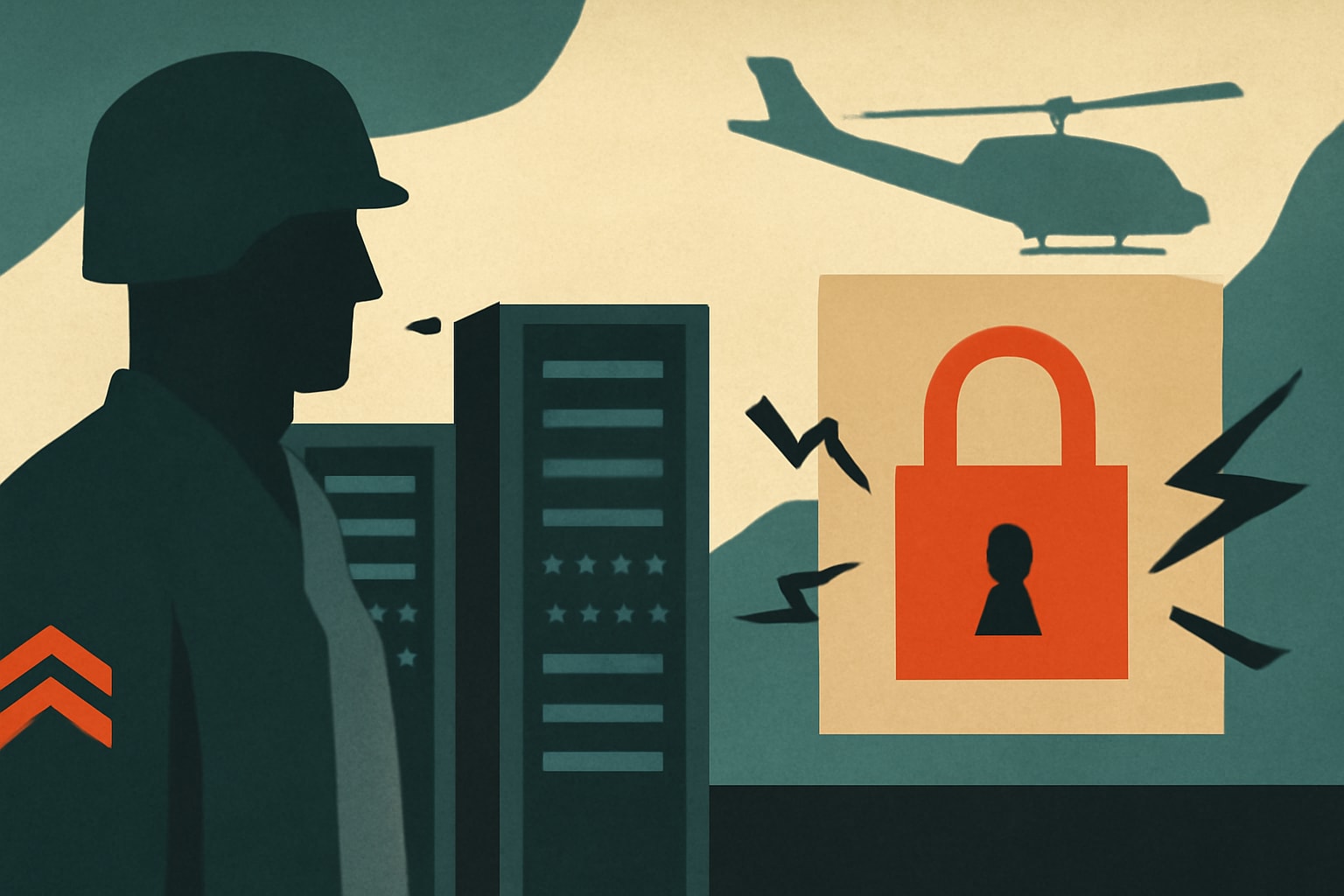
Seth Krummrich discusses the vulnerabilities of data centers amid rapid infrastructure expansion driven by AI.
What's Happening
- •Data centers are increasingly becoming critical infrastructure for national security.
- •Cyber and physical threats to these facilities are on the rise, according to experts.
- •The expansion of AI technology is accelerating the need for secure data management.
Why It Matters
The security of data centers is increasingly relevant to military operations as they support critical functions ranging from logistics to intelligence. As service members rely more on data-driven technologies, understanding the vulnerabilities of these infrastructures becomes essential for mission success.
What Changes Now
- •Military training programs will begin incorporating updated modules on data center security. This change is essential to ensure that service members are prepared to address current threats and vulnerabilities.
- •New security protocols for data centers are being implemented across military installations. Personnel involved in operations that utilize these centers will need to familiarize themselves with these protocols to maintain operational security.
- •Increased funding for cybersecurity initiatives will be allocated in the upcoming fiscal year. This funding will support the development of advanced security measures and training programs for service members.
What to Watch
- •Watch for the release of updated training materials on data center security by the end of the fiscal year. These materials will provide essential guidance for service members involved in cybersecurity and logistics.
- •Upcoming military exercises will include scenarios focused on data center security. These exercises will test the readiness of personnel to respond to potential threats and will be critical for operational planning.
- •Anticipate new policies regarding data center security from the Department of Defense in the next quarter. These policies will outline the responsibilities of service members and the resources available for threat mitigation.
Get the Daily Briefing
Military and veteran news that actually affects you, in your inbox each morning.
More Context
- •The Growing Importance of Data Centers: Data centers play a crucial role in modern military and civilian operations, serving as the backbone for data storage and processing. As military operations become more reliant on data-driven technologies, the security of these facilities is paramount. A former Special Forces officer, Seth Krummrich, emphasizes that the expansion of data centers is not just a technological advancement but a strategic necessity. With the rise of AI, the demand for secure and efficient data management has never been higher, making these centers prime targets for adversaries.
- •Identifying Security Threats: Krummrich outlines several key threats facing data centers, including cyberattacks and physical breaches. Cyber threats can range from hacking attempts to ransomware attacks, which can cripple operations and compromise sensitive information. On the physical side, unauthorized access to data centers can lead to the theft of critical data and disruption of services. Understanding these threats is essential for military personnel who may be involved in protecting these assets, especially those in cybersecurity roles or logistics.
- •Practical Implications for Service Members: Active duty service members, particularly those in cybersecurity roles (e.g., 17S Cyber Operations Specialists) and logistics (e.g., 92Y Unit Supply Specialists), must stay informed about the evolving landscape of data security. This includes understanding the protocols for securing data centers and the potential consequences of breaches. Training programs and resources should be updated to reflect the current threat environment, ensuring that personnel are equipped with the knowledge to mitigate risks effectively.
- •Future Considerations: As data centers continue to expand, military and defense leaders must prioritize their security. This includes investing in advanced technologies and training to protect against both cyber and physical threats. Service members should be aware of upcoming initiatives aimed at enhancing data center security, including new policies and training programs. Keeping abreast of these developments will be crucial for those involved in operations that depend on secure data management.
Frequently Asked Questions
Does this affect Guard members on Title 10 orders?
Yes, Guard members on Title 10 orders may be involved in operations that utilize data centers and must adhere to the same security protocols.
Will my BAH change if I move duty stations mid-year?
Your Basic Allowance for Housing (BAH) may change if you move to a location with a different BAH rate, so it's important to check the new rate at your next duty station.
What cybersecurity training should I complete?
You should complete any required cybersecurity training modules provided by your unit, especially those related to data center security and threat response.
The Daily Briefing
Military & veteran news that actually affects you — delivered every morning.
- Pay, benefits & policy changes
- Pentagon decisions that matter
- VA updates for veterans & families
- One email. No spam. Unsubscribe anytime.
Related Stories
- OpenAI Discloses Engagement with US Government Websites— Military.com
- US and China Establish AI Safety Channel to Address Military Risks— Military.com
- Navy Expands Online Marketplace for Sea Drones and Vendors— DefenseScoop
- F-16 Thunderbird Crash Linked to Engine Maintenance Oversight— Air & Space Forces Magazine