Former NORAD Chief Warns of Drone Attack Vulnerability at U.S. Air Bases
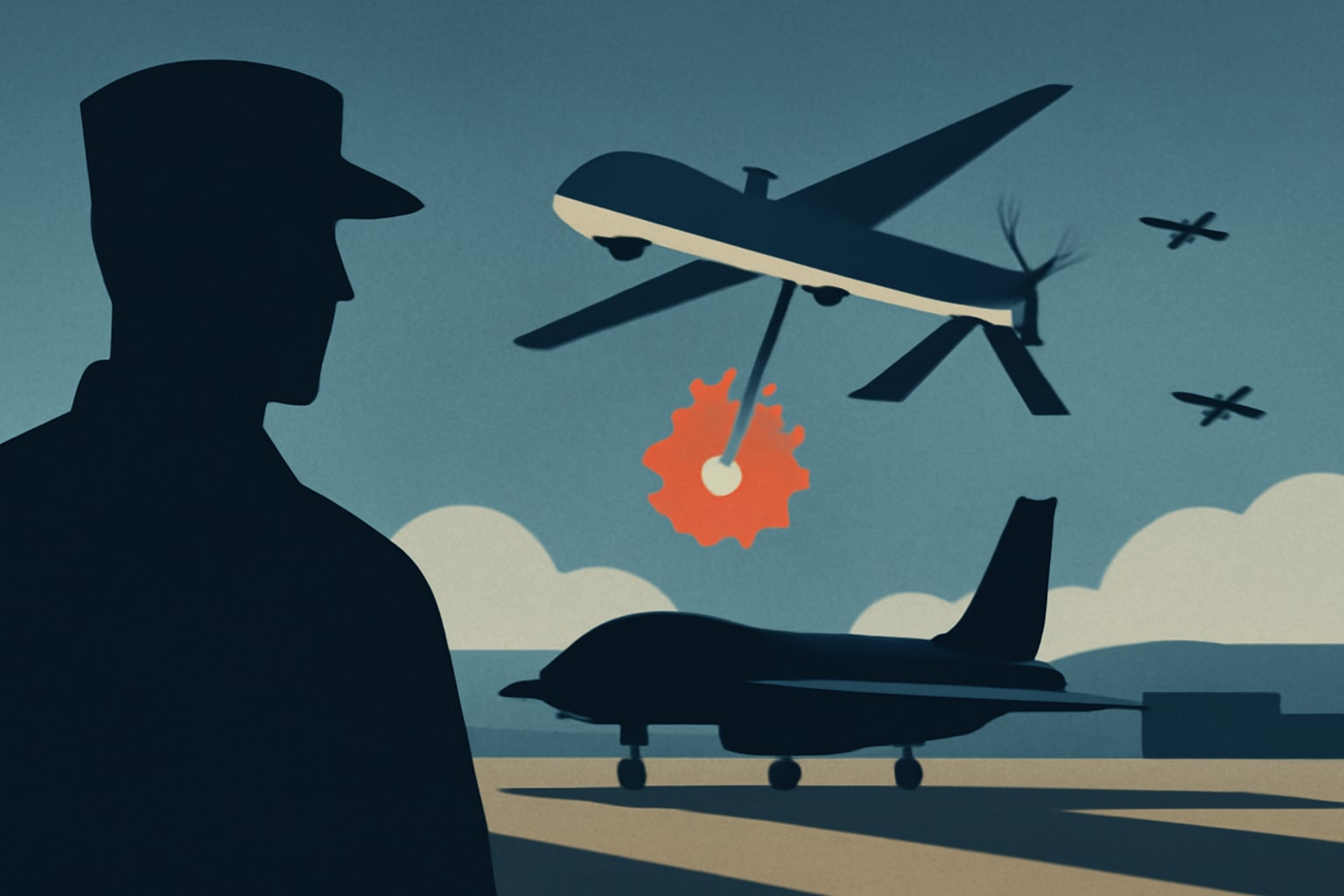
Retired Gen. Glen D. VanHerck highlights the risk of drone attacks on U.S. air bases, drawing parallels to recent strikes in Ukraine.
What's Happening
- •Retired Gen. Glen D. VanHerck stated that U.S. air bases are vulnerable to drone attacks.
- •He compared the potential threat to recent drone strikes on Russian bomber bases.
- •The comments were made during a discussion on national security and defense readiness.
Why It Matters
The warning from Gen. VanHerck underscores a critical vulnerability in U.S. defense infrastructure that could have serious implications for military operations and national security. For service members and veterans, understanding these threats is essential for ensuring personal safety and preparedness in an evolving threat landscape.
What Changes Now
- •Increased focus on drone defense strategies will be implemented at U.S. air bases. This means personnel may undergo additional training to recognize and respond to drone threats effectively.
- •Service members may see updated security protocols introduced in the coming months. These changes will be communicated through official channels, ensuring all personnel are aware of new measures.
- •Military leadership will likely prioritize funding for drone defense technologies. This could lead to new equipment being deployed at bases to enhance security.
What to Watch
- •Upcoming Department of Defense directives on base security enhancements will be released soon. These directives will outline new protocols and strategies for addressing drone threats.
- •Future military exercises may incorporate scenarios involving drone attacks. Participation in these exercises will be crucial for readiness and understanding new tactics.
- •The development of new drone defense technologies will be monitored closely. Advancements in this area could significantly impact how bases defend against potential threats.
Get the Daily Briefing
Military and veteran news that actually affects you, in your inbox each morning.
More Context
- •Understanding the Threat: Retired Air Force Gen. Glen D. VanHerck, who previously led U.S. Northern Command and NORAD, emphasized that despite robust security measures, U.S. air bases could be susceptible to drone attacks similar to those witnessed in Ukraine. These attacks have demonstrated the effectiveness of drones in modern warfare, particularly in penetrating defenses that were once considered impenetrable. The implications of such vulnerabilities are significant, as they could compromise national security and the safety of personnel stationed at these bases.
- •Implications for Military Readiness: The potential for drone attacks raises critical questions about the current state of military readiness. If U.S. air bases are indeed vulnerable, it may necessitate a reevaluation of security protocols and defense strategies. Military planners must consider how to enhance defenses against drone threats, which may involve investing in new technologies and training personnel to respond to such scenarios. This could also impact how resources are allocated within the Department of Defense, prioritizing areas that address these emerging threats.
- •Action Steps for Service Members: Active duty service members and those in the Guard and Reserve should stay informed about evolving security protocols at their respective installations. This includes participating in training exercises that address drone threats and understanding the importance of reporting any suspicious activities. Additionally, service members should engage with their leadership to discuss concerns regarding base security and advocate for necessary improvements. Awareness and preparedness can significantly enhance the safety of personnel and assets at air bases.
- •What to Monitor Moving Forward: Service members should keep an eye on upcoming policy changes regarding base security and defense measures. The Department of Defense is likely to release new guidelines in response to these vulnerabilities, which could reshape how air bases operate. Additionally, monitoring developments in drone technology and tactics used by adversaries will be crucial for maintaining readiness. Engaging with defense news sources and participating in discussions about military strategy can provide valuable insights into these evolving threats.
Frequently Asked Questions
Does this affect Guard members on Title 10 orders?
Yes, Guard members on Title 10 orders will need to adhere to any new security protocols implemented at their bases.
Will my base security change in response to this warning?
It is likely that security measures will be updated to address the vulnerabilities highlighted by Gen. VanHerck.
Veteran Take
For those who've served, the warning about drone attack vulnerabilities is a stark reminder of the ever-evolving nature of warfare. We’ve trained for many scenarios, but the rise of drone technology adds a new layer of complexity to our defense strategies. Veterans navigating this landscape must stay informed and adaptable, ensuring that our military remains prepared for these emerging threats.
The Daily Briefing
Military & veteran news that actually affects you — delivered every morning.
- Pay, benefits & policy changes
- Pentagon decisions that matter
- VA updates for veterans & families
- One email. No spam. Unsubscribe anytime.
Related Stories
- Sgt. 1st Class Oscar McGrew Awarded Bronze Star for Valor After Iranian Drone Attack— Task & Purpose
- Houthi Forces in Yemen Attempt AI-Driven Weapon Development— Military.com
- U.S. Space Command Conducts Satellite Maneuvers in New Exercise— Air & Space Forces Magazine
- Hanwha to Develop Armored Vehicle with Counter-Drone Laser Technology— Defense News