Young Americans View 9/11 Attacks as History, Not Memory
A new generation of Americans is growing up with the legacy of 9/11 without firsthand experience of its wars.
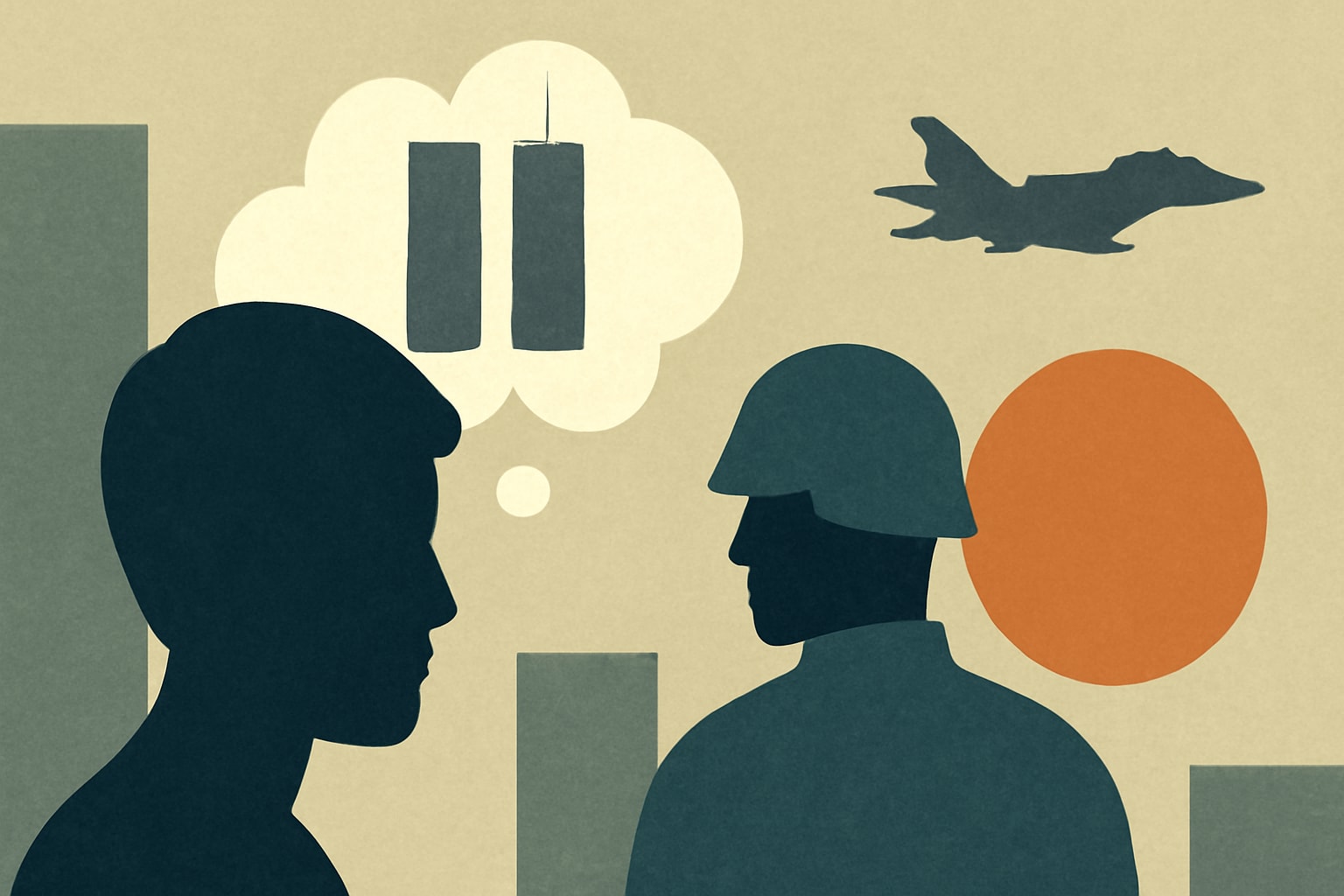
What's Happening
- •A recent article highlights that many young Americans perceive the 9/11 attacks as historical events rather than personal experiences.
- •This generational perspective affects how they view military service and national security.
- •The ongoing implications of this viewpoint may influence future military recruitment and public support for military actions.
Why It Matters
Understanding how young Americans view the 9/11 attacks is crucial for military leaders and policymakers. This perspective shapes recruitment strategies, public support for military actions, and the overall relationship between the military and the civilian population, particularly among future generations.
What Changes Now
- •Military recruitment strategies may need to evolve to connect with younger generations. Recruiters will focus on emphasizing the benefits of service and the importance of national security in a way that resonates with those who have no direct experience of 9/11.
- •Veteran organizations might increase outreach efforts to educate young Americans about the significance of 9/11. This could involve creating programs that connect veterans with youth to share personal stories and experiences.
- •Public discussions and educational initiatives may become more prevalent in order to bridge the generational gap. These efforts will aim to foster a deeper understanding of military service and its implications for national security.
What to Watch
- •Upcoming military recruitment campaigns will likely reflect these changing perceptions. Watch for new messaging strategies aimed at younger audiences that emphasize the relevance of military service today.
- •Veteran organizations may launch new educational initiatives targeting youth. These programs could begin in the next year, focusing on storytelling and mentorship.
- •Policy discussions around national security may increasingly consider the perspectives of younger generations. This could lead to shifts in how military actions are justified to the public.
Get the Daily Briefing
Military and veteran news that actually affects you, in your inbox each morning.
More Context
- •Generational Divide in Perception: The 9/11 attacks and subsequent wars have created a significant generational divide in the United States. For those born after 2001, the events of that day are historical markers rather than lived experiences. This shift has led to a lack of personal connection to military conflicts, making it challenging for young Americans to fully grasp the sacrifices made by service members. As a result, many young people view military service through a lens shaped by media portrayals rather than personal narratives.
- •Impact on Military Recruitment: The changing perceptions of 9/11 may have direct implications for military recruitment efforts. As fewer individuals have direct ties to the conflicts, the military may need to adapt its messaging to resonate with a generation that lacks personal memories of the wars. Strategies could include emphasizing the benefits of service and the importance of national security in a global context. Recruiters will need to engage with young people in ways that connect historical events to present-day realities.
- •Broader Implications for National Security: The generational disconnect regarding 9/11 also raises concerns about public support for military actions. If young Americans do not see the relevance of past conflicts, they may be less inclined to support future military engagements. This could lead to challenges in maintaining a strong volunteer force and ensuring adequate funding for defense initiatives. Policymakers and military leaders will need to consider how to bridge this gap in understanding to foster a more informed citizenry.
- •Engaging Young Americans: To address these challenges, military and veteran organizations can play a crucial role in educating young Americans about the significance of 9/11 and its ongoing impact. Programs that connect veterans with youth through storytelling and mentorship can help bridge the gap. Initiatives that promote dialogue about the sacrifices made by service members can foster a deeper appreciation for military service and national security. Engaging young people in discussions about history and its relevance to their lives today is essential.
Frequently Asked Questions
How does the perception of 9/11 affect military recruitment?
The perception of 9/11 as a historical event rather than a personal experience may lead to changes in recruitment strategies, focusing on the relevance of military service to today's security challenges.
What can veterans do to help educate young Americans about 9/11?
Veterans can engage in storytelling and mentorship programs that connect them with youth, helping to bridge the gap in understanding the significance of 9/11 and its impact on military service.
Will the military change how it talks about past wars?
Yes, as perceptions shift, the military may adapt its messaging to resonate with younger generations who lack personal connections to the events of 9/11.
The Daily Briefing
Military & veteran news that actually affects you — delivered every morning.
- Pay, benefits & policy changes
- Pentagon decisions that matter
- VA updates for veterans & families
- One email. No spam. Unsubscribe anytime.
Related Stories
- Tuskegee Airmen Make History with First Military Aerial Gunnery Win— Military.com
- Five Pivotal Moments in Air Force Reserve History— Military.com
- Guardsman Arrested After Pointing Loaded Pistol Over Grooming Rules— Military Times
- How Military Families Found Support After the 9/11 Pentagon Attack— Military.com