USS Essex Successfully 3D-Prints Drones Onboard Without Shore Resupply
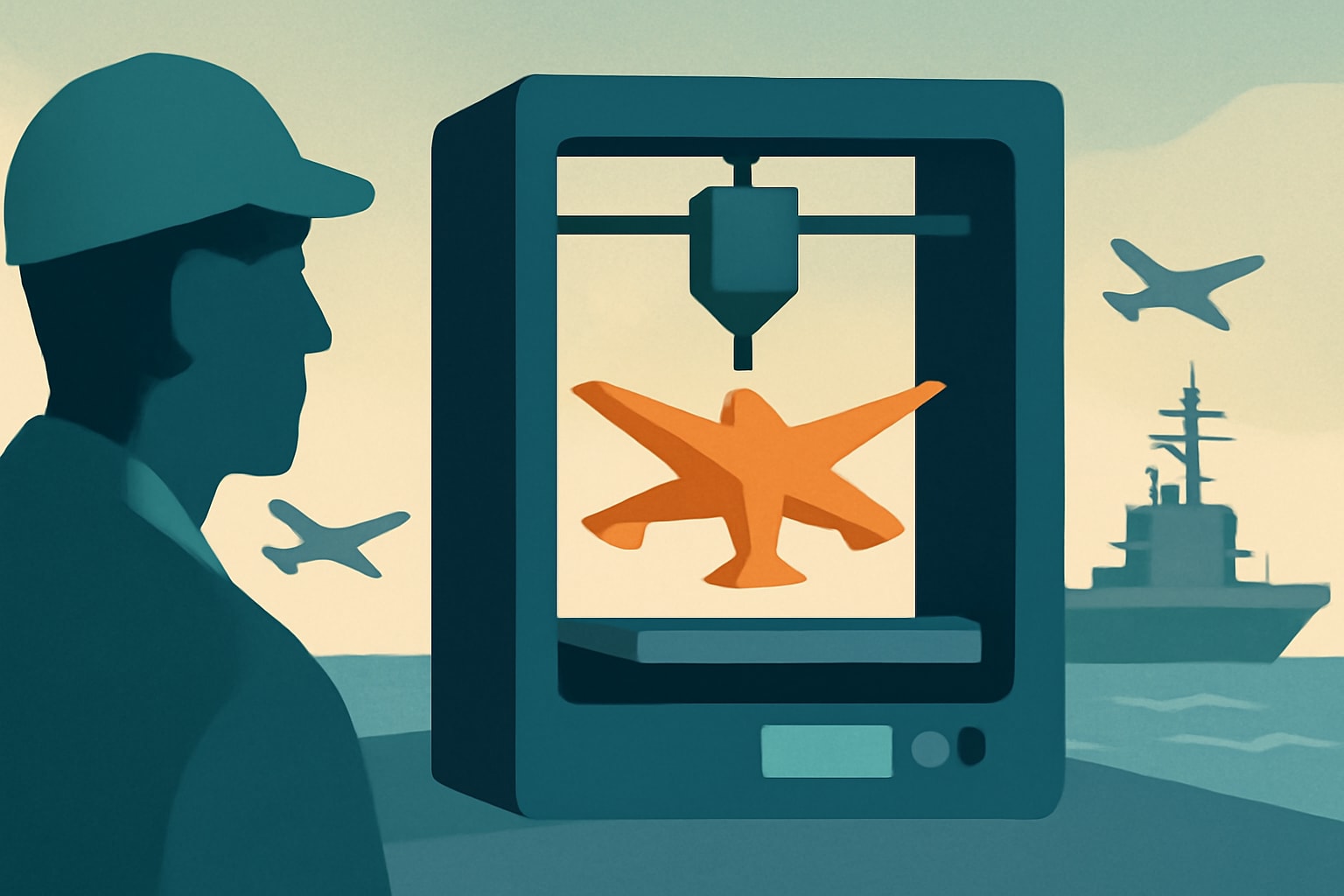
Service members aboard the USS Essex utilized a microfactory to 3D-print drones, enhancing operational capabilities at sea.
What's Happening
- •Service members aboard the USS Essex 3D-printed 12 first-person view drones.
- •The drones were created using a containerized microfactory on the ship.
- •This capability allows for enhanced operational flexibility without needing shore resupply.
Why It Matters
The introduction of 3D printing technology aboard naval vessels like the USS Essex represents a significant leap in military logistics and operational capabilities. For service members, this means greater flexibility and responsiveness during missions, ultimately contributing to improved mission success rates and operational efficiency.
What Changes Now
- •The introduction of 3D printing technology allows for the immediate production of drones onboard the USS Essex. This capability means that service members can quickly adapt to mission needs without waiting for resupply from shore.
- •Operational strategies may shift to incorporate the use of 3D-printed drones in reconnaissance and support roles. This change emphasizes the Navy's commitment to leveraging technology for enhanced mission effectiveness.
- •Service members will need to familiarize themselves with the operation and maintenance of 3D printing equipment. Training programs may be developed to ensure personnel are equipped to utilize this technology effectively.
What to Watch
- •Monitor the performance of the 3D-printed drones during upcoming missions. The results will inform decisions on expanding this technology to other naval vessels.
- •Watch for potential announcements regarding training programs for service members on 3D printing technology. This will indicate the Navy's commitment to integrating this capability into standard operations.
- •Keep an eye on technological advancements in 3D printing that could expand the range of equipment produced onboard. Future innovations may further enhance operational capabilities.
Get the Daily Briefing
Military and veteran news that actually affects you, in your inbox each morning.
More Context
- •Innovative Technology at Sea: The USS Essex, an amphibious assault ship, has taken a significant step forward in naval technology by utilizing a containerized microfactory to produce drones onboard. This advancement allows service members to manufacture essential equipment directly at sea, reducing reliance on traditional supply chains and enhancing mission readiness. The ability to 3D-print drones means that the Essex can deploy more flexible and responsive capabilities in various operational scenarios, particularly in remote areas where resupply might be challenging.
- •Impact on Operations: The ability to produce drones on the USS Essex directly impacts operational strategies for the Navy. By having drones readily available, the ship can conduct reconnaissance missions, gather intelligence, and support ground troops more effectively. This technology not only improves the speed of operations but also allows for rapid adaptation to changing mission requirements, which is crucial in modern warfare.
- •Who Benefits from This Development: Active duty service members, particularly those in aviation and logistics roles, will benefit significantly from this development. For example, Navy personnel in the Aviation Maintenance Administrationman (AZ) rating can leverage this technology to enhance their operational capabilities. Additionally, Marines aboard the Essex can utilize these drones for tactical advantages in amphibious operations, making this innovation relevant across multiple branches of the military.
- •Future Considerations: As the Navy continues to explore the potential of 3D printing technology, future considerations include expanding the types of equipment that can be produced onboard. The success of the microfactory on the USS Essex may lead to similar implementations on other vessels, potentially revolutionizing how the Navy approaches logistics and supply chain management. Monitoring the effectiveness of these drones in real-world operations will be critical in determining their future use and the expansion of such technologies across the fleet.
Frequently Asked Questions
How does 3D printing affect Navy logistics?
3D printing reduces the need for shore resupply by allowing ships to produce equipment directly onboard, enhancing operational readiness.
Can other ships use this technology?
Yes, if successful, the Navy may implement similar microfactories on other vessels to improve logistics across the fleet.
What types of drones were produced?
The USS Essex produced first-person view drones, which can be used for reconnaissance and support missions.
Veteran Take
For those who've served, the ability to 3D-print drones onboard a ship is a game changer. It means we can adapt and respond to challenges in real-time without waiting for resupply from shore. This kind of innovation not only boosts our operational efficiency but also reflects the military's commitment to leveraging technology for mission success.
The Daily Briefing
Military & veteran news that actually affects you — delivered every morning.
- Pay, benefits & policy changes
- Pentagon decisions that matter
- VA updates for veterans & families
- One email. No spam. Unsubscribe anytime.
Related Stories
- Massachusetts Air National Guard Receives First F-35 Fighter Jet— Air & Space Forces Magazine
- SDA Expands Ground Architecture for Future Missile Tracking Satellites— Air & Space Forces Magazine
- U.S. Army Pursues Innovative Drones for Blood Supply Delivery— Army Times
- U.S. Not Prepared to Respond to Nuclear Attacks in Space, Report Says— Military Times