F-35 Fighter Jet Prices Surge Due to Inflation and Upgrades
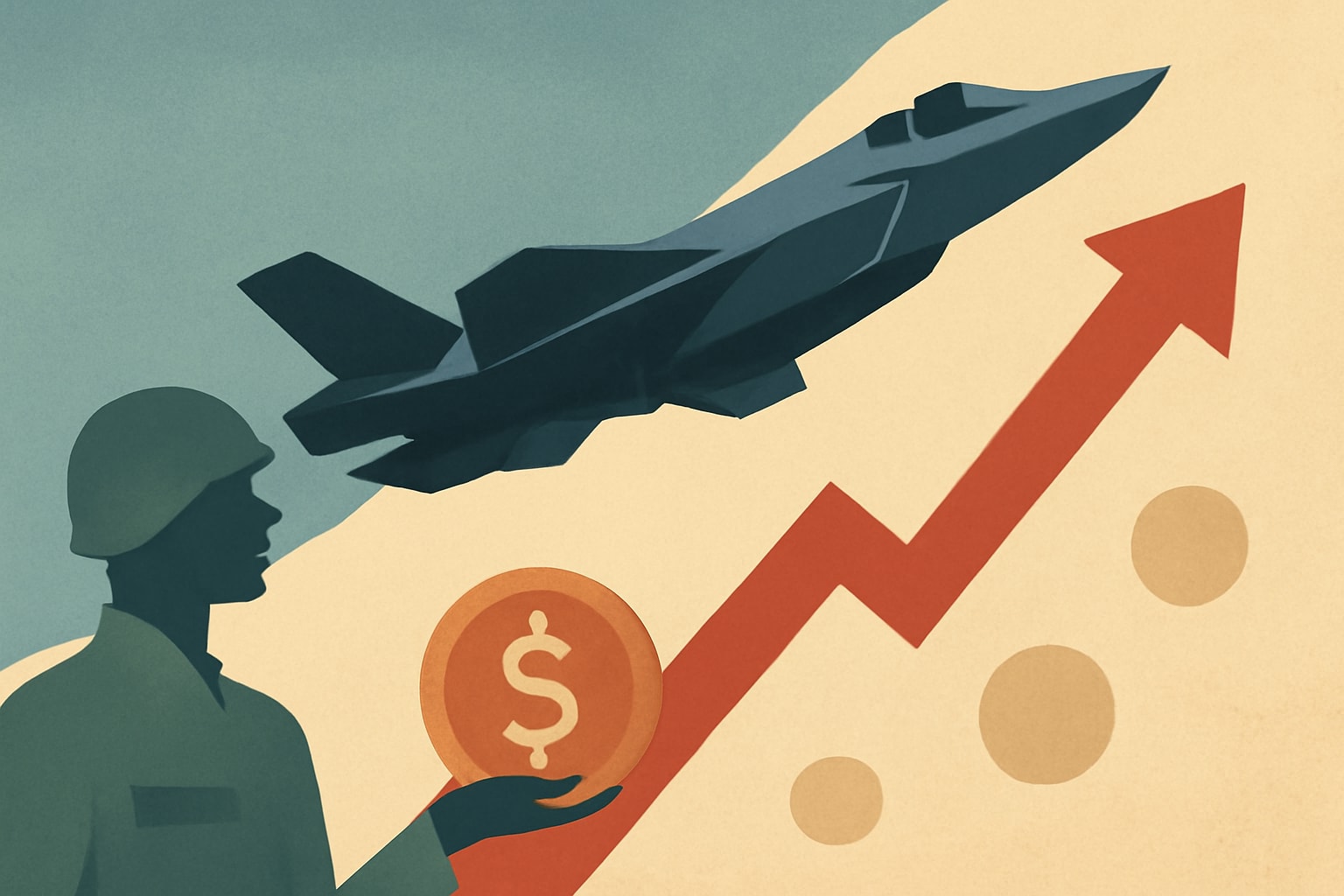
The cost of the F-35 fighter jet is rising significantly due to inflation and new upgrades, impacting military budgets and operations.
What's Happening
- •The price of the F-35 fighter jet is increasing due to inflation and necessary upgrades.
- •Recent acquisition reports indicate that rising costs are affecting the overall budget for military aviation.
- •These changes could impact future defense spending and procurement strategies.
Why It Matters
The rising costs of the F-35 fighter jet have significant implications for military budgets and operational readiness. As inflation and upgrade expenses increase, service members and veterans may face shifts in resource allocation and future procurement strategies, affecting their roles and responsibilities within the military.
What Changes Now
- •The rising costs of the F-35 will likely lead to budget reallocations within the military. This means that funding for other essential programs may be reduced to accommodate the increased expenses associated with the F-35.
- •Service members involved in procurement will need to adjust their strategies for acquiring new equipment. They may face challenges in balancing the need for new technology with budget constraints.
- •Logistics operations may experience changes in priorities as funding shifts towards maintaining and upgrading the F-35 fleet. This could impact the availability of resources for other critical missions.
What to Watch
- •Upcoming budget reviews from the Department of Defense will provide insights into how the rising costs will affect military spending. These reviews are expected to occur in the next fiscal year, making it essential for service members to stay informed.
- •The release of acquisition reports on the F-35 program will detail the specific financial implications of the cost increases. Monitoring these reports will help military personnel understand the long-term impact on operational readiness.
- •Potential changes to the F-35 funding structure could emerge from congressional discussions. Keeping an eye on legislative developments will be crucial for understanding future procurement strategies.
Get the Daily Briefing
Military and veteran news that actually affects you, in your inbox each morning.
More Context
- •Understanding the Cost Increases: The F-35 fighter jet, a cornerstone of modern air combat, is seeing a notable increase in its price tag. This rise is attributed primarily to inflationary pressures and the costs associated with critical upgrades designed to enhance the aircraft's capabilities. As the military seeks to maintain a technological edge, these upgrades are deemed essential, leading to higher expenditures. The implications of these rising costs extend beyond just the purchase price; they also affect long-term operational budgets and readiness levels across various branches of the military.
- •Implications for Military Budgets: The increase in F-35 costs poses significant challenges for military budgeting and resource allocation. For active-duty personnel, particularly those in roles related to procurement and logistics, this may mean tighter budgets for other essential programs or equipment. Additionally, the rising costs could lead to delays in the acquisition of new aircraft, impacting overall force readiness. As the military grapples with these financial pressures, service members may need to adapt to changes in operational planning and resource management.
- •Who Will Feel the Impact?: Active-duty service members, especially those in procurement roles such as 66D Air Force acquisition officers, will be directly affected by these rising costs. Additionally, Reserve Component members involved in logistics and support may need to adjust their operations to align with changing budgets. The broader implications could also affect veterans who rely on defense contracts for employment, as shifts in budget priorities may lead to job instability in the defense sector.
- •Monitoring Future Developments: As the situation evolves, service members and defense stakeholders should keep an eye on upcoming budget reviews and acquisition reports. The Department of Defense is expected to release further details regarding the implications of these cost increases in the next fiscal year. Additionally, any changes to the F-35 program's funding could impact future defense strategies and readiness initiatives, making it crucial for military personnel to stay informed.
Frequently Asked Questions
How will rising F-35 costs affect my unit's budget?
Rising costs may lead to budget reallocations, affecting funding for other programs within your unit. Service members should prepare for potential changes in resource availability.
Will I see changes in my procurement responsibilities due to these cost increases?
Yes, procurement officers may need to adjust their strategies to accommodate the rising costs of the F-35. This could involve prioritizing certain acquisitions over others.
The Daily Briefing
Military & veteran news that actually affects you — delivered every morning.
- Pay, benefits & policy changes
- Pentagon decisions that matter
- VA updates for veterans & families
- One email. No spam. Unsubscribe anytime.
Related Stories
- 8th Army Adapts to Evolving Drone Threats in South Korea— DefenseScoop
- ARCYBER Expands Use of AI Agents for Network Operations— DefenseScoop
- North Korea Test-Fires Intermediate-Range Missile Amid Rising Tensions— Military.com
- Space Force Contracts Northrop Grumman and True Anomaly for New ISR Satellites— Defense News