Dutch Firm Optics11 Engages Navies with Advanced Underwater Listening Technology
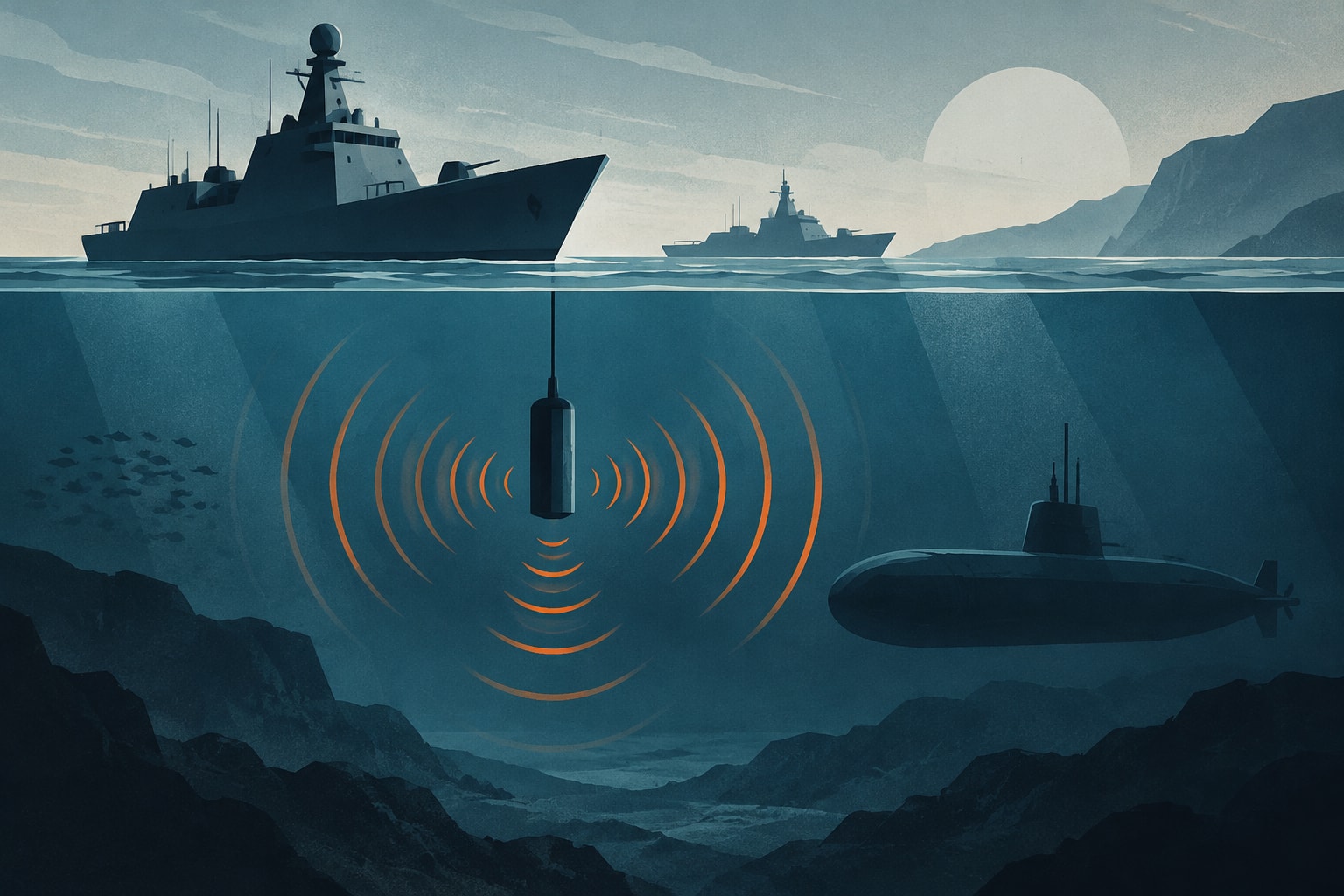
Optics11's fiber-optic sensing technology can detect ships from 100 kilometers away, enhancing naval capabilities.
What's Happening
- •Optics11 is discussing its underwater listening technology with various navies.
- •The technology can detect an oil tanker from a distance of 100 kilometers.
- •This advancement could significantly enhance maritime surveillance and security.
Why It Matters
The advancements in underwater listening technology have significant implications for national security and maritime operations. Enhanced detection capabilities will allow navies to better monitor and protect their waters, which is vital for maintaining sovereignty and responding to threats.
What Changes Now
- •Navies are currently evaluating Optics11's technology for potential integration. This evaluation process will involve testing the technology's capabilities in various maritime environments.
- •Increased focus on maritime security operations can be expected as navies adopt this technology. Personnel in affected roles will need to undergo training to effectively utilize the new systems.
- •Potential partnerships between Optics11 and various naval forces may lead to collaborative development efforts. This could enhance the technology further based on direct feedback from operational users.
What to Watch
- •Upcoming trials of Optics11's technology are expected in the next year. These trials will provide critical data on the system's performance and reliability in operational settings.
- •Naval leadership decisions on technology adoption will be made following trial evaluations. The outcomes of these discussions will determine the future of maritime surveillance capabilities.
- •Potential contracts between Optics11 and navies could be announced in the coming months. This will indicate the level of commitment from various countries to enhance their maritime security.
Get the Daily Briefing
Military and veteran news that actually affects you, in your inbox each morning.
More Context
- •Overview of Optics11's Technology: Optics11, a Dutch firm, has developed innovative fiber-optic sensing technology designed for underwater applications. This technology enables detection of large vessels, such as oil tankers, from up to 100 kilometers away. By utilizing fiber optics, the system can provide real-time data on underwater activities, which is crucial for naval operations. The ability to monitor vast ocean areas without the need for traditional sonar systems represents a significant leap in maritime technology.
- •Potential Impact on Naval Operations: The introduction of Optics11's technology could transform how navies conduct surveillance and reconnaissance missions. With enhanced detection capabilities, naval forces can improve their situational awareness and response times to potential threats. This is particularly relevant for countries with extensive coastlines or maritime interests, as the technology could be integrated into existing naval operations to bolster security against smuggling, piracy, and other maritime crimes.
- •Who Will Benefit from This Technology?: Active duty naval personnel, particularly those in roles related to maritime security and intelligence, will find this technology particularly beneficial. Sailors in positions such as Intelligence Specialists (IS) and Operations Specialists (OS) could leverage this enhanced detection capability to improve mission outcomes. Additionally, naval leadership will need to consider how to integrate this technology into existing systems and training protocols to maximize its effectiveness.
- •What Comes Next for Optics11?: As discussions continue with various navies, the next steps for Optics11 will include potential trials and demonstrations of their technology. These trials will be crucial in showcasing the capabilities and reliability of the system in real-world conditions. Stakeholders will be watching closely for feedback from naval forces, which could influence further development and deployment strategies.
Frequently Asked Questions
How will this technology improve my naval operations?
This technology enhances detection capabilities, allowing for better monitoring of maritime activities and quicker responses to potential threats.
Will this affect my training as a naval intelligence specialist?
Yes, personnel in intelligence roles may need additional training to effectively use the new detection systems once implemented.
Are there plans for this technology to be used by reserve forces?
While the focus is currently on active duty forces, reserve units may also benefit from this technology, especially in maritime security roles.
The Daily Briefing
Military & veteran news that actually affects you — delivered every morning.
- Pay, benefits & policy changes
- Pentagon decisions that matter
- VA updates for veterans & families
- One email. No spam. Unsubscribe anytime.
Related Stories
- Blue Angels Dismiss Two Key Personnel in Unrelated Incidents— Military Times
- House Maneuver Clears Path for Vote on Major Richard Star Act— Military Times
- BCE Consulting Outlines Key Elements of Layered Air Defense Architecture— Defense News
- Pentagon Sued Over Its Project Meridian Advisory Committee— Federal News Network