DoD AI Acceleration Strategy Aims for Real-Time Insights in Military Operations
The Department of Defense is shifting its focus to real-world applications of AI to enhance operational effectiveness.
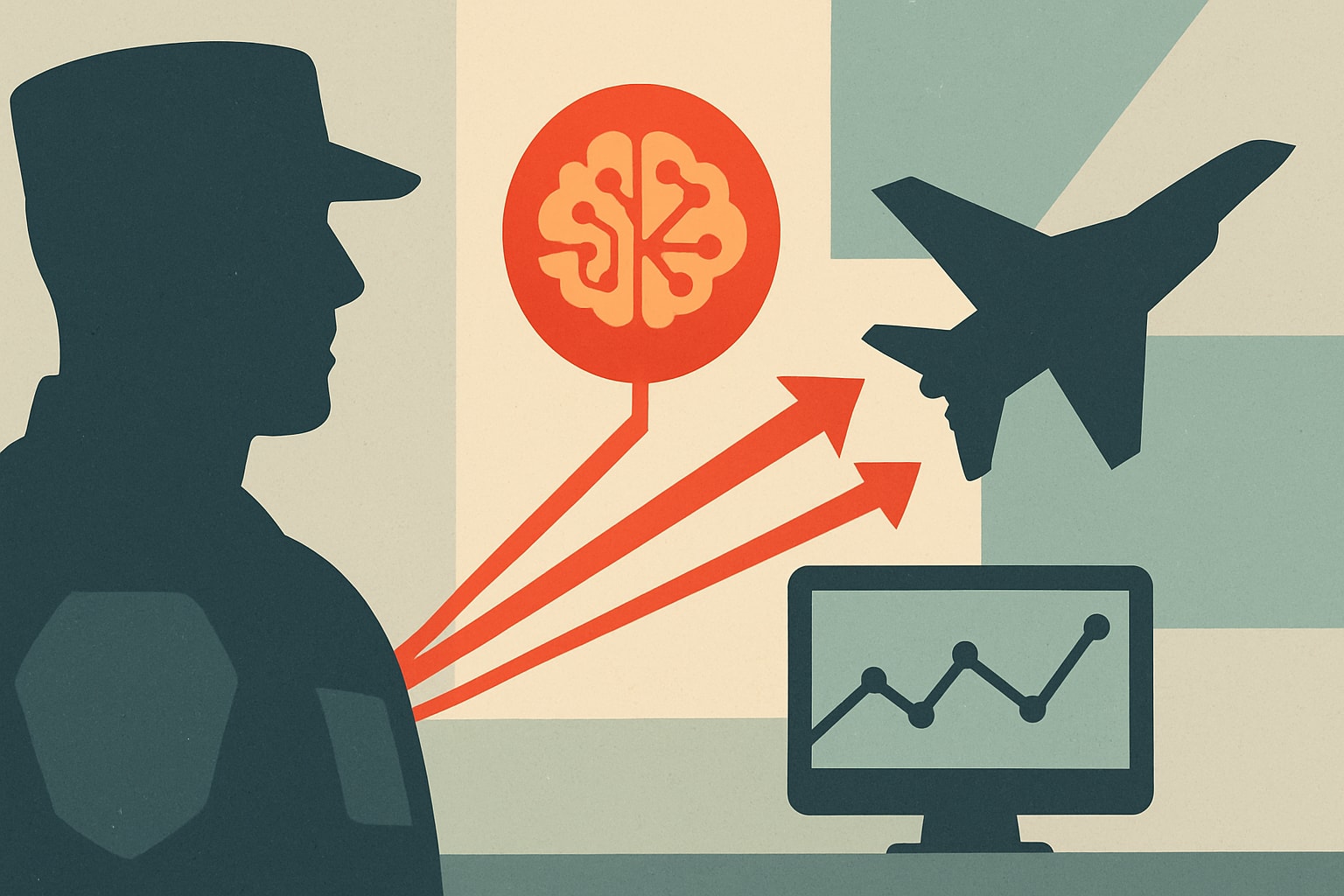
What's Happening
- •The DoD is implementing an AI Acceleration Strategy to transition AI from research to practical use.
- •Agencies are encouraged to adopt AI technologies responsibly with ongoing testing.
- •This strategy aims to improve decision-making and operational efficiency in military contexts.
Why It Matters
The DoD's AI Acceleration Strategy is poised to transform how military operations are conducted, enhancing real-time decision-making capabilities. For service members, understanding these changes is essential as they will directly impact training, responsibilities, and the tools available for mission success.
What Changes Now
- •The DoD is implementing a new AI strategy that emphasizes real-world applications. This means that service members will need to familiarize themselves with AI tools and protocols as they become integrated into military operations.
- •Agencies are required to conduct ongoing testing of AI technologies before full deployment. This ensures that personnel can trust the systems they are using and that they meet operational standards.
- •Training programs will evolve to include AI literacy for service members. This will help ensure that all ranks are prepared to effectively use AI in their roles.
What to Watch
- •Upcoming training schedules related to AI integration will be announced. Service members should stay alert for updates from their commands regarding when and how these training sessions will be conducted.
- •The effectiveness of initial AI deployments will be evaluated over the coming months. Results from these evaluations will influence future AI strategies and implementations across the DoD.
- •New protocols for testing and evaluating AI systems will be established. Personnel should monitor communications from leadership regarding these protocols to understand their roles in the testing process.
Get the Daily Briefing
Military and veteran news that actually affects you, in your inbox each morning.
More Context
- •Understanding the AI Acceleration Strategy: The Department of Defense's AI Acceleration Strategy represents a significant shift in how military agencies will leverage artificial intelligence. By moving from experimental phases to real-world applications, the DoD aims to enhance operational capabilities and ensure that decision-makers have timely access to critical information. This strategy emphasizes the importance of responsible AI use, ensuring that systems are tested thoroughly before deployment to mitigate risks associated with new technologies.
- •Impact on Military Personnel: Active-duty service members, particularly those in technical roles such as 35T Army Intelligence Analysts and 1B4X1 Cyber Warfare Operators, will see direct implications from this strategy. The integration of AI into military operations will require these personnel to adapt to new tools and workflows, enhancing their ability to analyze data and make informed decisions quickly. As AI systems are implemented, training programs will likely evolve to include AI literacy, ensuring that all ranks are prepared for these advancements.
- •Practical Changes and Responsibilities: With the rollout of the AI Acceleration Strategy, military agencies must prioritize the responsible implementation of AI technologies. This includes establishing protocols for ongoing testing and evaluation of AI systems to ensure they meet operational standards. Personnel involved in AI projects will need to engage in continuous learning and adaptation, as the landscape of military technology evolves rapidly. Moreover, service members should stay informed about new training opportunities related to AI and data analytics.
- •Looking Ahead: What to Monitor: As the DoD moves forward with its AI strategy, key milestones will include the establishment of testing protocols and timelines for AI system rollouts. Personnel should watch for announcements from their respective commands regarding training schedules and updates on AI tools being integrated into their operations. Additionally, the outcomes of initial AI deployments will be critical in shaping future strategies, so service members should remain engaged with updates from leadership on the effectiveness of these technologies.
Frequently Asked Questions
Does this affect Guard members on Title 10 orders?
Yes, the AI Acceleration Strategy will impact all service members, including those in the Guard on Title 10 orders, as it applies to military operations across all components.
Will my training change with the new AI strategy?
Yes, training programs will evolve to incorporate AI literacy and the use of new AI tools, which will be essential for effective military operations.
Veteran Take
For those who've served, the integration of AI into military operations represents a significant shift in how we approach our missions. We understand that real-time insights can enhance decision-making, but it also raises questions about training and adaptation for current and future service members. Veterans navigating this transition will need to advocate for clear communication and support as technology evolves, ensuring that our military remains effective and our troops are equipped for the challenges ahead.
The Daily Briefing
Military & veteran news that actually affects you — delivered every morning.
- Pay, benefits & policy changes
- Pentagon decisions that matter
- VA updates for veterans & families
- One email. No spam. Unsubscribe anytime.
Related Stories
- Congress Presses Oracle on VA’s $17 Billion EHR Contract Increase— Military Times
- Air Force's Collaborative Combat Aircraft Program at Risk of Delays— Air & Space Forces Magazine
- Air Force Identifies Body Found in Burned Vehicle on Eglin AFB— Military.com
- Marines Search for Next Parris Island Mascot with Genetic Tolerance— Military Times