DISA Chief Calls for Enhanced Training Amid AI and Cyber Warfare Challenges
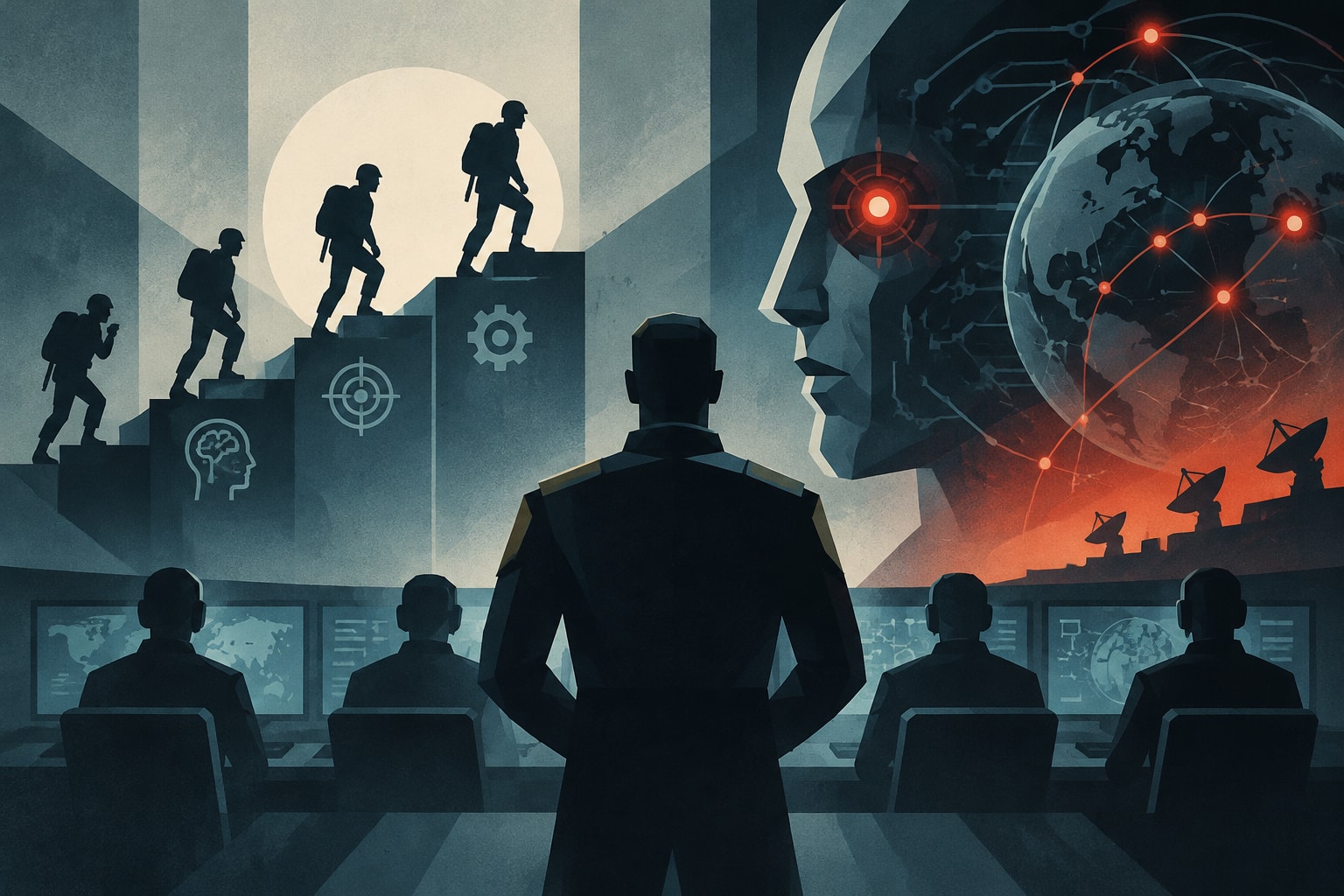
Lt. Gen. Paul Stanton stresses the importance of standardizing military architecture to adapt to evolving cyber threats.
What's Happening
- •Lt. Gen. Paul Stanton highlights the urgent need for standardized architecture in military cyber operations.
- •The call for enhanced training comes as cyber warfare becomes increasingly AI-driven.
- •Standardization is essential for military readiness in a rapidly changing operational environment.
Why It Matters
The military's ability to adapt to new technologies like AI is crucial for national security. As cyber threats evolve, service members must be trained to handle these challenges effectively, ensuring they can protect critical infrastructure and maintain operational readiness.
What Changes Now
- •The military will begin to implement standardized training protocols for cyber operations. This will ensure that all personnel are equipped with the same foundational skills and knowledge, improving overall effectiveness.
- •New training programs will be developed to address the unique challenges posed by AI in cyber warfare. Personnel in roles such as 17C Cyber Operations Specialists will need to participate in these programs to remain relevant.
- •There will be an increased focus on interoperability among different military branches. This change is vital for joint operations, particularly in responding to cyber threats that require coordinated efforts.
What to Watch
- •Upcoming training initiatives will be announced by DISA in the coming months. These initiatives will outline specific programs and timelines for implementation, which are crucial for service members to follow.
- •The development of new standardization protocols is expected to be finalized by the end of the fiscal year. This will impact how military cyber operations are conducted moving forward.
- •Military leadership will hold discussions on funding for these initiatives in the next budget cycle. Decisions made during these discussions will determine the resources allocated for training and standardization.
Get the Daily Briefing
Military and veteran news that actually affects you, in your inbox each morning.
More Context
- •The Importance of Standardization: Lt. Gen. Paul Stanton, the head of the Defense Information Systems Agency (DISA), has emphasized that without standardizing military architecture, the armed forces will struggle to keep pace with the evolving landscape of cyber warfare. Standardization not only streamlines operations but also enhances interoperability among different branches of the military, making it easier to respond to threats in real-time. In an era where cyber threats are increasingly sophisticated, a unified approach is critical for effective defense.
- •Training for the Future: As cyber warfare capabilities grow, so does the need for comprehensive training programs that prepare service members for the complexities of AI and cyber operations. Lt. Gen. Stanton advocates for training initiatives that not only focus on technical skills but also on strategic thinking and adaptability. This training will be crucial for personnel across various roles, including cyber operations specialists and intelligence analysts, who must be equipped to handle the challenges posed by AI-driven threats.
- •Implications for Military Personnel: Active duty service members, particularly those in cyber operations roles such as 17C Cyber Operations Specialist and 25D Cyber Network Defender, will be directly impacted by these calls for change. The emphasis on training and standardization means that these personnel will need to engage in ongoing education and skill development to remain effective in their roles. Additionally, Guard and Reserve members will also need to adapt to these new standards to ensure seamless integration during joint operations.
- •What Lies Ahead: Looking forward, military leaders will need to monitor the implementation of these training and standardization initiatives closely. The timeline for these changes is still being developed, but the urgency expressed by Lt. Gen. Stanton indicates that action will be taken soon. Decisions regarding funding, resources, and curriculum development will be critical in shaping how effectively the military can respond to the challenges of AI-enabled cyber warfare.
Frequently Asked Questions
How will this affect my cyber operations training?
Training programs will be updated to include standardized protocols, ensuring all personnel receive the same foundational skills.
Will Guard members be included in these new training initiatives?
Yes, the new training initiatives will apply to both active duty and Reserve Component members to ensure interoperability.
What is the timeline for these changes?
Specific timelines for the implementation of training and standardization initiatives will be announced in the coming months.
The Daily Briefing
Military & veteran news that actually affects you — delivered every morning.
- Pay, benefits & policy changes
- Pentagon decisions that matter
- VA updates for veterans & families
- One email. No spam. Unsubscribe anytime.
Related Stories
- Space Force Launches Satellites for Data Network Backbone— Air & Space Forces Magazine
- F-35 Demo Team Returns to Luke AFB Ahead of 2027 Airshow Season— Air & Space Forces Magazine
- Air Force to Extend T-38C Talon Trainer Use into Late 2030s— Air & Space Forces Magazine
- Air Force Plans Significant Connectivity Upgrades for Tanker and Airlift Fleets— Air & Space Forces Magazine