Military GPS Jamming Tests Raise Civilian Safety Concerns
A recent aircraft crash linked to military GPS testing highlights risks to civilians and service members.
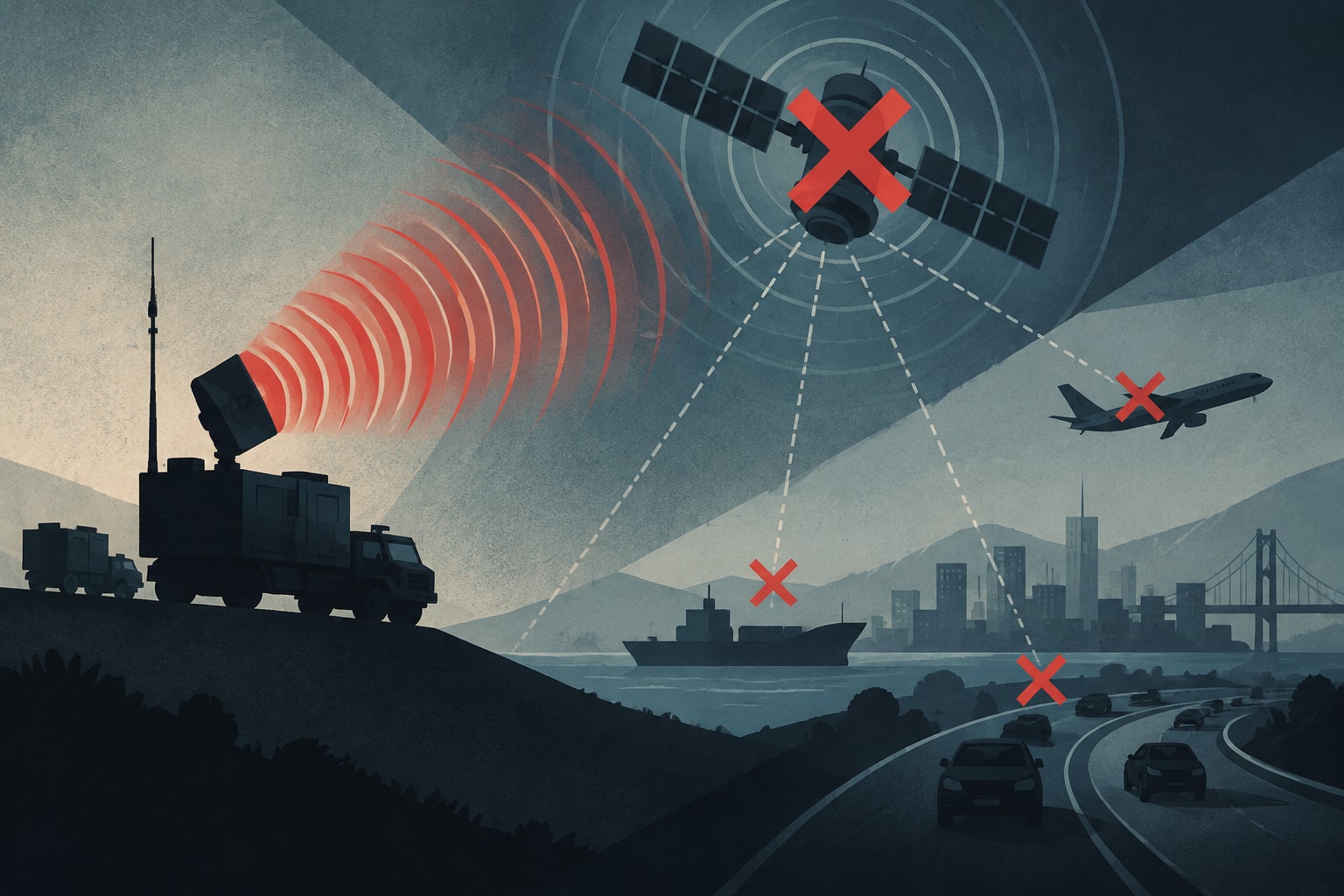
What's Happening
- •A fatal aircraft crash near a military test range has raised alarms about GPS jamming and spoofing technologies.
- •The Director of the GPS Innovation Alliance has warned that military testing could pose risks to civilian safety.
- •Concerns have been voiced regarding the potential impacts of these technologies on both military and civilian operations.
Why It Matters
The expansion of military GPS jamming and spoofing technologies poses significant risks not only to civilian safety but also to the operational effectiveness of service members. Understanding these risks is crucial for military personnel who may find themselves in situations where GPS reliability is compromised, impacting mission success and safety.
What Changes Now
- •Military testing protocols for GPS jamming technologies may undergo review. This review aims to enhance safety measures and reduce risks to civilian navigation systems.
- •Increased communication between military and civilian authorities is expected. This will help ensure that both sectors are aware of testing schedules and potential impacts on civilian operations.
- •Service members involved in aviation operations will likely receive updated training on GPS reliability. This training will focus on recognizing and responding to potential GPS disruptions during missions.
What to Watch
- •Upcoming military safety reviews regarding GPS jamming technologies are expected in early 2027. These reviews will assess current protocols and recommend necessary changes to enhance civilian safety.
- •Legislative discussions on regulations for military testing of jamming technologies are anticipated in the next congressional session. The outcome could lead to stricter oversight and safety requirements.
- •Public statements from the GPS Innovation Alliance will be monitored for further insights on civilian safety concerns. Their recommendations could influence future military testing policies.
Get the Daily Briefing
Military and veteran news that actually affects you, in your inbox each morning.
More Context
- •Understanding GPS Jamming and Spoofing: GPS jamming involves disrupting GPS signals, rendering navigation systems ineffective. Spoofing, on the other hand, tricks devices into accepting false signals, which can lead to misdirection. Both techniques are crucial for military operations but can inadvertently affect civilian navigation systems. As military capabilities expand, the risk of unintentional interference with civilian GPS systems increases, raising significant safety concerns.
- •Recent Incident Highlights Risks: The recent aircraft crash near a military test range serves as a stark reminder of the potential dangers associated with GPS jamming. This incident has prompted industry leaders to call for more stringent safety measures and clearer communication between military and civilian sectors. The implications of such incidents extend beyond immediate safety, affecting public trust in military operations and technology.
- •Implications for Service Members: Active duty service members, particularly those in aviation roles, may face increased risks due to the expansion of jamming technologies. The potential for miscommunication or navigation errors could lead to operational hazards. It is essential for military leadership to address these risks and ensure that training and protocols are updated to mitigate the dangers posed by jamming and spoofing technologies.
- •Moving Forward: Safety Measures and Oversight: As military testing of jamming technologies continues, there is a pressing need for enhanced oversight and safety protocols. Stakeholders from both military and civilian sectors must collaborate to establish guidelines that protect civilian interests while allowing for necessary military advancements. This collaboration is crucial in balancing operational readiness with public safety.
Frequently Asked Questions
Does this affect Guard members on Title 10 orders?
Yes, Guard members on Title 10 orders may be involved in operations that utilize GPS jamming technologies, making them subject to the same risks as active duty personnel.
Will my navigation equipment be impacted during military exercises?
There is a possibility that navigation equipment could be affected during military exercises involving GPS jamming, so it's essential to stay informed about exercise schedules.
What should I do if I experience GPS issues during a mission?
If you encounter GPS issues, follow your unit's protocol for navigation errors, which may include reverting to alternative navigation methods and reporting the incident.
The Daily Briefing
Military & veteran news that actually affects you — delivered every morning.
- Pay, benefits & policy changes
- Pentagon decisions that matter
- VA updates for veterans & families
- One email. No spam. Unsubscribe anytime.
Related Stories
- Air Force Chief Advocates for Full Control of Bases— Air & Space Forces Magazine
- Army’s MAPS Contract Faces New Challenges for Small Businesses— Federal News Network
- Navy Corpsman Runs Into Burning Building to Save French Soldiers— Task & Purpose
- Pentagon Investigates Freezer Malfunctions at Bases as Cyberattack— Marine Corps Times