New Defense Startup Aims to Create Genetically Enhanced Military Dogs
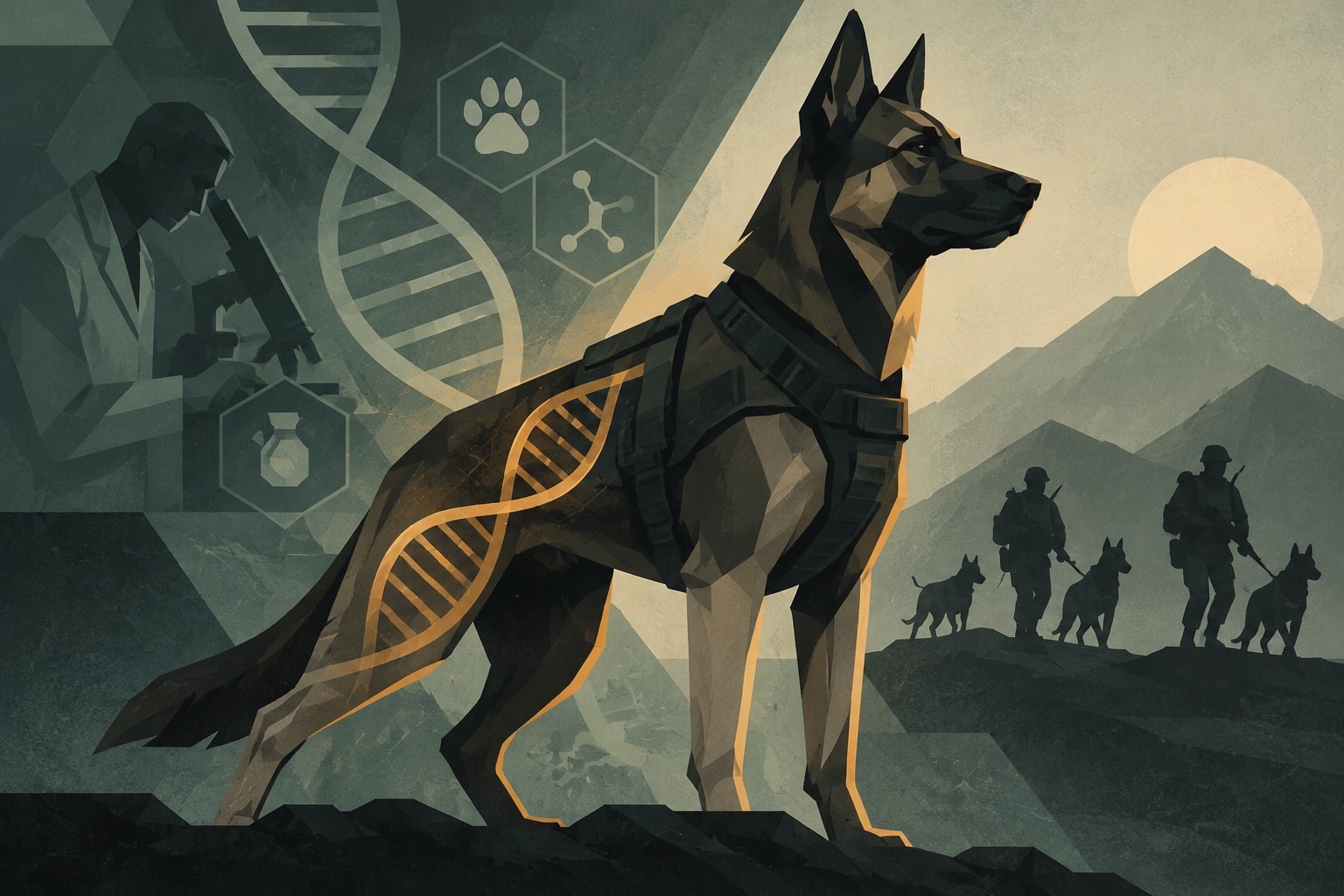
Warhound, a startup founded by industry leaders, has secured $200 million to develop genetically enhanced canines for military use.
What's Happening
- •Texas-based startup Warhound has launched with $200 million in seed funding.
- •The company aims to develop genetically enhanced dogs for military and law enforcement applications.
- •Warhound was founded by Palmer Luckey of Anduril Industries and Ben Lamm of Colossal Biosciences.
Why It Matters
The development of genetically enhanced dogs for military use could transform how military operations are conducted, particularly in high-risk environments. For service members, these advancements may lead to improved safety and effectiveness in missions, enhancing the overall capability of military units.
What Changes Now
- •Warhound's launch signifies a new approach to military canine capabilities. This may lead to the integration of genetically enhanced dogs into training programs and operational units in the near future.
- •The funding received will accelerate research and development efforts. Active duty units may see trials or initial deployments of these enhanced canines within the next few years.
- •Military policies regarding the use of animals in combat may evolve. Service members involved in canine operations should stay informed about potential changes to protocols and training requirements.
What to Watch
- •Watch for updates on Warhound's research milestones. The company plans to release findings on enhancements within the next 18 months, which could influence military adoption.
- •Monitor discussions around ethical guidelines for the use of genetically modified animals. The military may establish new policies in response to public and internal feedback over the coming years.
- •Keep an eye on potential partnerships between Warhound and military branches. Collaborations could be announced as early as next year, shaping the future of military canine operations.
Get the Daily Briefing
Military and veteran news that actually affects you, in your inbox each morning.
More Context
- •The Vision Behind Warhound: Warhound is the brainchild of Palmer Luckey, known for his work in defense technology, and Ben Lamm, who has made headlines for his efforts in biotechnology. Their goal is to create canines that possess enhanced physical and cognitive abilities, making them more effective in various military operations. This venture represents a significant shift in how military units may utilize animals, potentially leading to improved operational effectiveness and safety for service members.
- •Funding and Development Plans: With an impressive $200 million in seed funding, Warhound is poised to enter a competitive market focused on defense technology. The funding will primarily support research and development aimed at genetic enhancements that could improve traits such as agility, scent detection, and overall resilience. This financial backing indicates strong investor confidence in the potential applications of these genetically enhanced dogs in military settings.
- •Potential Impact on Military Operations: The introduction of genetically enhanced dogs could significantly alter the landscape of military operations. Enhanced canines may be deployed in various roles, including reconnaissance, search and rescue, and even combat support. For service members, this means a potential increase in mission success rates and a reduction in risks associated with human involvement in dangerous situations.
- •Ethical Considerations and Future Outlook: As with any advancement in genetic engineering, ethical considerations will play a crucial role in the development of enhanced military dogs. Discussions around the welfare of these animals and the implications of genetic modifications will be essential as Warhound progresses. The military community will need to weigh the benefits of enhanced capabilities against the moral responsibilities of using genetically modified organisms in defense.
Frequently Asked Questions
Will enhanced military dogs be used in combat?
Yes, genetically enhanced dogs may be deployed in various combat support roles, improving mission effectiveness and safety.
How will this affect current military working dog programs?
Current programs may incorporate enhanced dogs as they become available, potentially leading to changes in training and operational protocols.
What are the ethical concerns regarding genetically enhanced dogs?
Ethical concerns include the welfare of the animals and the implications of genetic modifications, which will need to be addressed as development progresses.
The Daily Briefing
Military & veteran news that actually affects you — delivered every morning.
- Pay, benefits & policy changes
- Pentagon decisions that matter
- VA updates for veterans & families
- One email. No spam. Unsubscribe anytime.
Related Stories
- NASA Accelerates Plans for Moon Base and Astronaut Missions— Military.com
- Ex-Air Force Colonel's Wife Details Health Struggles from Base Housing Mold— Military.com
- Meet Axel, the Deaf Rescue Dog Set to Deploy with the Military— Military Times
- Nellis Air Force Base Concludes A-10 Operations After Nearly 50 Years— Air & Space Forces Magazine