NDAA Amendments Spark Debate on Gender-Neutral Combat Standards
The recent NDAA amendments aim to establish gender-neutral physical fitness standards for all combat roles, igniting discussions within the military.
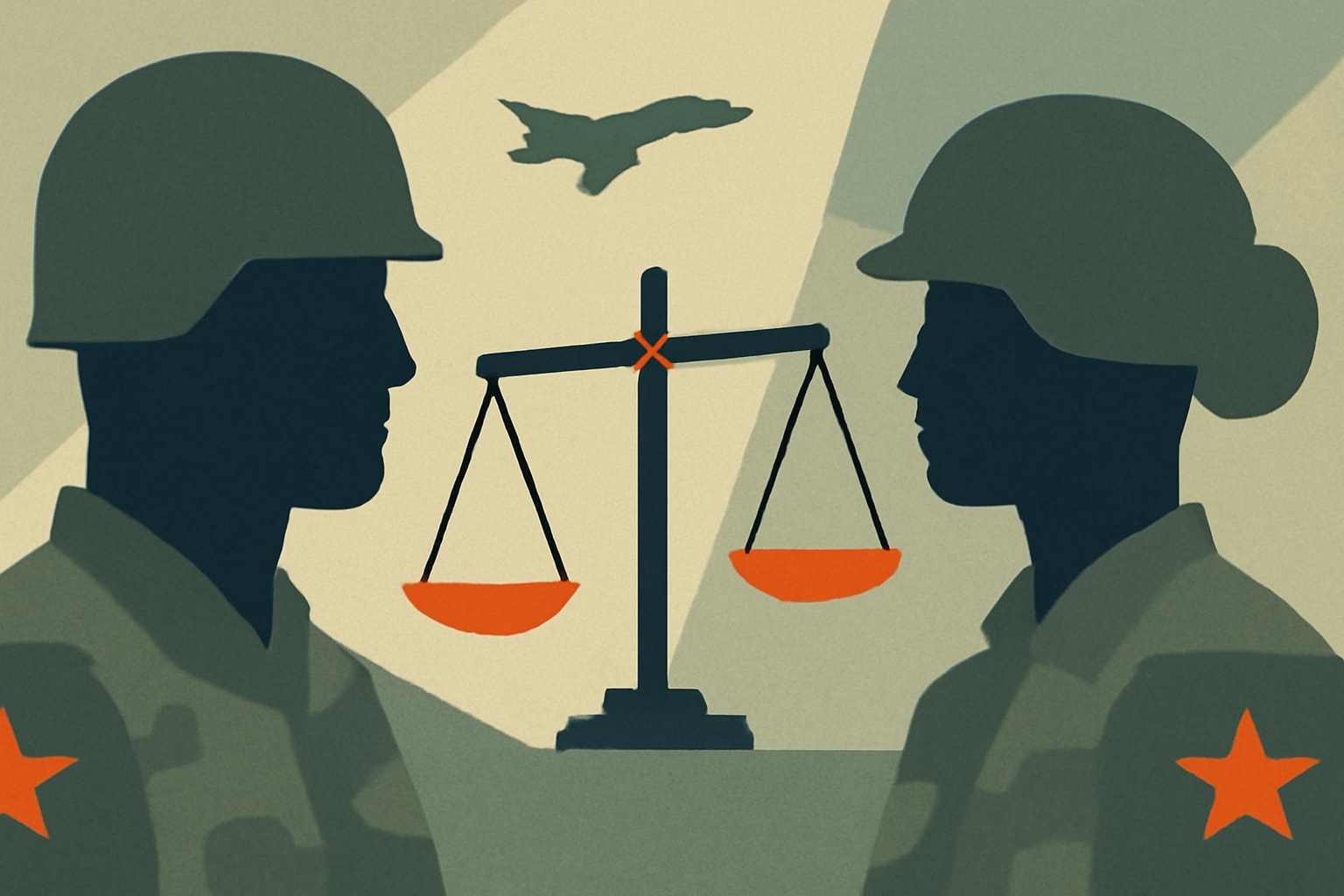
What's Happening
- •The NDAA amendments propose gender-neutral physical fitness standards for ground combat roles.
- •This initiative follows directives from military leaders to ensure equal standards for all service members.
- •The debate centers around the implications of these standards on recruitment and readiness.
Why It Matters
The establishment of gender-neutral physical fitness standards in combat roles is a significant step towards equality in the military. It addresses long-standing debates about the capabilities of service members, regardless of gender, and aims to enhance overall unit readiness and effectiveness.
What Changes Now
- •The military will begin reviewing current physical fitness assessments to align with gender-neutral standards. This will ensure that all service members are evaluated equally, regardless of gender.
- •Commanders will be responsible for informing their units about the upcoming changes and preparing them for new training requirements. This will involve updating training schedules and resources to accommodate the new standards.
- •New physical fitness tests are expected to be rolled out in the next training cycle. This timeline will allow service members to prepare adequately for the upcoming evaluations.
What to Watch
- •Congress will continue discussions on the NDAA amendments, with votes anticipated in the next few months. The outcome will determine the final implementation of the proposed standards.
- •The Department of Defense is expected to release guidance on the new physical fitness assessments soon. This will provide clarity on how the changes will be rolled out and what is expected of service members.
- •Advocacy groups will be monitoring the impact of these standards on recruitment and retention rates. Their findings could influence future policy decisions regarding military personnel.
Get the Daily Briefing
Military and veteran news that actually affects you, in your inbox each morning.
More Context
- •Background on the NDAA Amendments: The National Defense Authorization Act (NDAA) is a critical piece of legislation that outlines the budget and expenditures for the Department of Defense. Recent amendments have raised the issue of establishing gender-neutral physical fitness standards for all troops in ground combat roles. This follows an order from military leaders emphasizing the need for equal standards, which has sparked significant debate within the armed forces and among lawmakers.
- •Impact on Service Members: The proposed changes will directly affect active-duty service members in combat roles, particularly those in the Army, Marine Corps, and Special Operations. For example, infantry soldiers (11B) and combat engineers (12B) will need to meet the same physical fitness benchmarks, regardless of gender. This shift aims to enhance unit cohesion and operational effectiveness, but it also raises concerns about the potential for increased attrition rates among those unable to meet the new standards.
- •Practical Changes Ahead: With the introduction of these amendments, service members can expect a review of current physical fitness tests. The military will likely implement new assessment protocols that reflect the gender-neutral standards, which could be rolled out as early as the next training cycle. Commanders will need to prepare their units for these changes, ensuring that all personnel are informed and adequately trained to meet the new requirements.
- •What to Watch Moving Forward: Key discussions around the NDAA amendments will continue in Congress, with votes expected in the coming months. Stakeholders, including military leaders and advocacy groups, will be monitoring the implications of these changes on recruitment and retention. Additionally, the Department of Defense will likely release guidance on the implementation timeline for the new standards, which will be crucial for all service members in combat roles.
Frequently Asked Questions
Will the new standards apply to all branches of the military?
Yes, the proposed gender-neutral standards will apply to all branches, including the Army, Navy, Air Force, and Marine Corps.
How will these changes affect recruitment?
The impact on recruitment will depend on how well potential candidates can meet the new standards, which may influence their decision to enlist.
When will the new physical fitness tests be implemented?
The new tests are expected to be rolled out in the next training cycle, but specific dates have yet to be announced.
Veteran Take
For those who've served, the push for gender-neutral combat standards is a reflection of the evolving nature of our military. We understand that capability and readiness should be the primary focus, not gender. It's crucial that all service members meet the same rigorous standards to ensure that our units are effective and cohesive on the battlefield.
The Daily Briefing
Military & veteran news that actually affects you — delivered every morning.
- Pay, benefits & policy changes
- Pentagon decisions that matter
- VA updates for veterans & families
- One email. No spam. Unsubscribe anytime.
Related Stories
- FEDVIP Dental Premiums to Rise 1%, Vision Premiums by 1.6% for 2027— Military.com
- Pentagon Threatens Universities Over Foreign Ties, Considers Audits— DefenseScoop
- Pentagon and BAE Sign Deal for Up to 25,000 Precision-Guided Munition Kits Annually— Military Times
- U.S. Special Operations Adopts New Half-Mask and Goggles for Enhanced Protection— Military Times